EV charging infrastructure has quietly shifted from a niche installation category to a mainstream utility expectation. As electric vehicle adoption climbs through 2026, the equipment doing the actual work — wall-mounted AC chargers — has moved to the center of that shift, ahead of the flashier DC fast-charging headlines. Here’s what’s actually changing in the wall-mounted charging category this year, and why it matters for homeowners, property developers, and fleet operators alike.
Wall-Mounted Chargers, Not DC Fast Chargers, Are Carrying the Bulk of Daily Charging
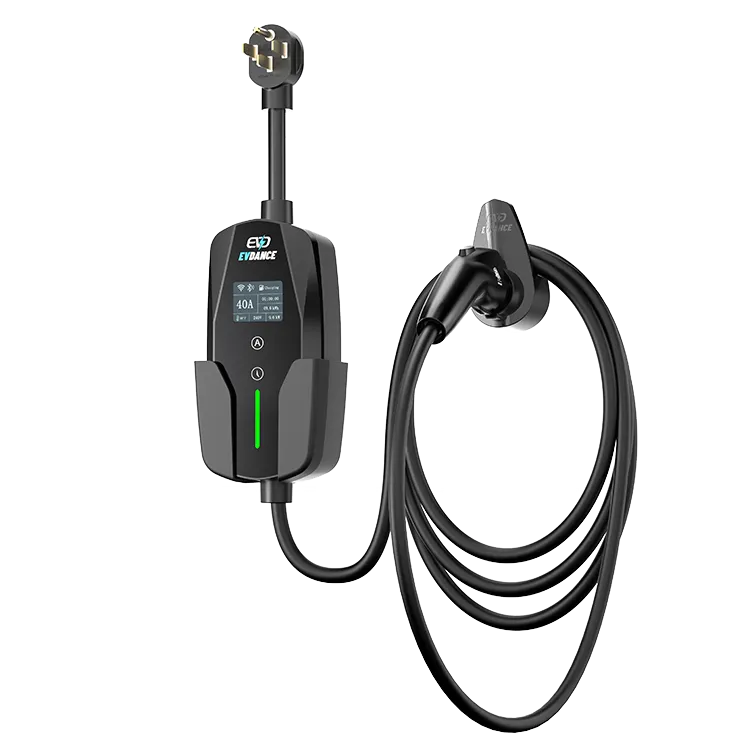
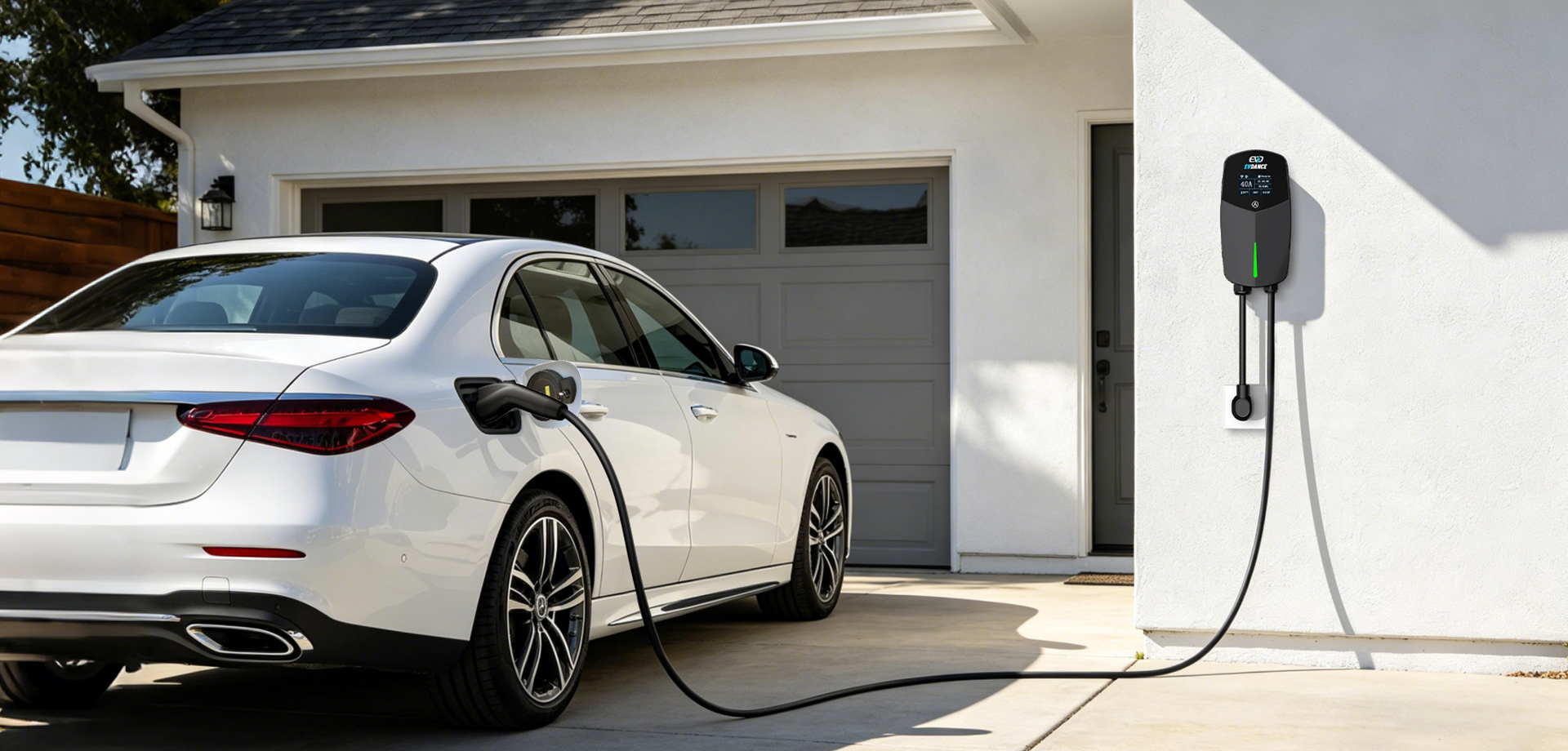
Public conversation about EV infrastructure tends to focus on DC fast-charging corridors, but the overwhelming majority of actual charging sessions — by most industry estimates, upward of 80% — happen at home or at a workplace, on Level 2 AC equipment. That imbalance is only becoming more pronounced as wall-mounted charger prices fall and installation networks mature. For property developers and utilities planning infrastructure budgets, the practical takeaway is straightforward: dense deployment of wall-mounted AC chargers delivers more usable charging capacity per dollar than a comparable investment in DC fast-charging stalls, particularly for residential and workplace scenarios where vehicles are already parked for hours at a time.
Smart Charging Protocols Are Becoming a Baseline Requirement, Not a Premium Feature
Two protocols are doing most of the work behind the “smart charger” label: OCPP 1.6 (Open Charge Point Protocol), which lets a charger communicate with backend management systems for load balancing, remote diagnostics, and billing; and ISO 15118, which enables direct vehicle-to-charger communication, a prerequisite for plug-and-charge authentication and future vehicle-to-grid (V2G) functionality. What used to be premium, enterprise-only features are increasingly standard even on mid-tier wall-mounted units. Manufacturers building OCPP and ISO 15118 support into their core AC charger lineup — rather than reserving it for a separate “commercial” product tier — are positioning for a charging landscape where utilities expect every connected charger to participate in demand response and time-of-use programs.
Connector Standardization Is Simplifying Purchasing Decisions
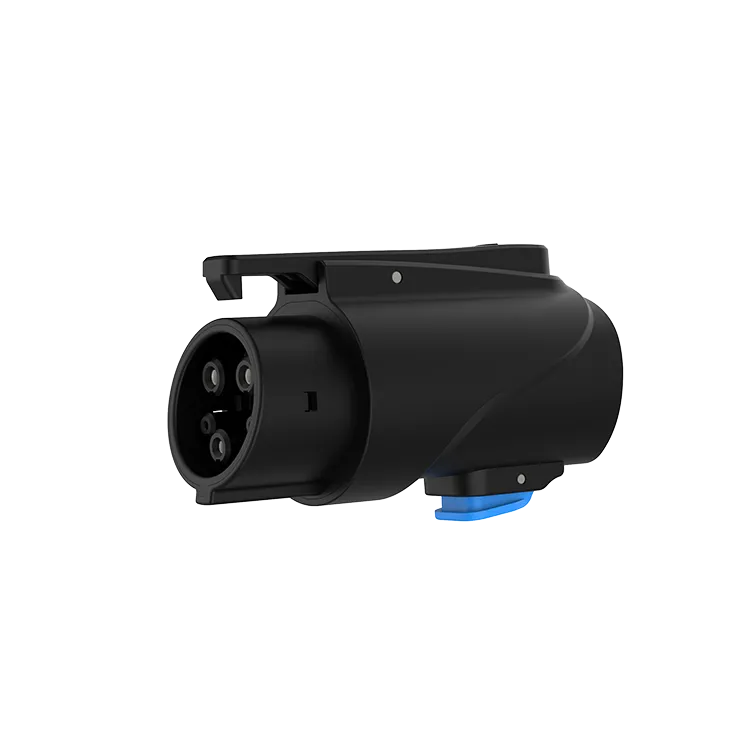
The multi-year transition toward the Tesla-originated NACS connector as a broader industry standard, alongside continued SAE J1772 support, has pushed manufacturers toward flexible connector strategies rather than locking buyers into a single standard. The practical effect for consumers and fleet buyers: wall-mounted chargers increasingly ship with either native NACS compatibility or a straightforward J1772/NACS adapter path, reducing the risk of buying hardware that becomes incompatible with a future vehicle purchase. Buyers evaluating chargers in 2026 should treat connector flexibility, not just raw power output, as a core purchasing criterion.
Manufacturing Scale Is Driving Down Cost and Improving Reliability
As demand for wall-mounted charging equipment has grown, manufacturing has consolidated around established producers with the scale to maintain consistent quality across large production runs. Facilities built specifically for EV charging hardware — rather than repurposed general electronics lines — are now producing components (TPU-jacketed cabling, silver-plated copper conductors, IP66-rated enclosures) at a cost and consistency that smaller manufacturers struggle to match. EVDANCE, operating out of a 10,000+ square meter, ISO 9001-certified facility in Shenzhen with over 200 engineering and production staff and more than 60 patents across its AC and DC charging portfolio, is representative of this consolidation trend — annual production capacity in the millions of units, serving both direct-to-consumer and OEM/ODM white-label customers across more than 60 countries.





Three-Phase and Higher-Power AC Charging Are Closing the Gap With DC
For commercial and fleet applications, three-phase AC wall-mounted chargers — delivering up to 22kW — are increasingly positioned as a middle tier between standard residential Level 2 charging and full DC fast-charging installations. This matters because three-phase AC infrastructure is dramatically cheaper to install and maintain than DC fast-charging equipment, while still delivering charging speeds that work for fleet depots, hotel guest parking, and retail locations with moderate dwell times. Expect continued growth in this power band throughout 2026 as commercial property owners look for a cost-effective middle ground.
2026 Wall-Mounted Charging Snapshot
| Trend | What Changed | Why It Matters |
|---|---|---|
| Smart protocol adoption | OCPP 1.6 / ISO 15118 now standard on mid-tier units | Enables load balancing, plug-and-charge, V2G readiness |
| Connector flexibility | NACS support alongside J1772/Type 2 | Reduces risk of future vehicle incompatibility |
| Three-phase AC growth | Up to 22kW wall-mounted units more common | Cost-effective middle ground vs. DC fast charging |
| Manufacturing consolidation | Scale producers driving down cost, improving QC | More consistent multi-unit deployments |
What This Means for Buyers
Whether you’re specifying a single home charger or planning a multi-unit commercial deployment, the 2026 wall-mounted charging landscape rewards buyers who prioritize: OCPP 1.6 and ISO 15118 support as standard (not optional) features; connector flexibility across J1772, Type 2, and NACS; IP66 or better weatherproofing verified for continuous outdoor duty; and hardware from manufacturers with the production scale and certification track record (ISO 9001, CE, FCC, UL, CSA) to back multi-year reliability claims. The category has matured quickly — what counted as a premium charger three years ago is now a baseline expectation, and the manufacturers keeping pace are the ones investing in protocol support and production scale simultaneously.