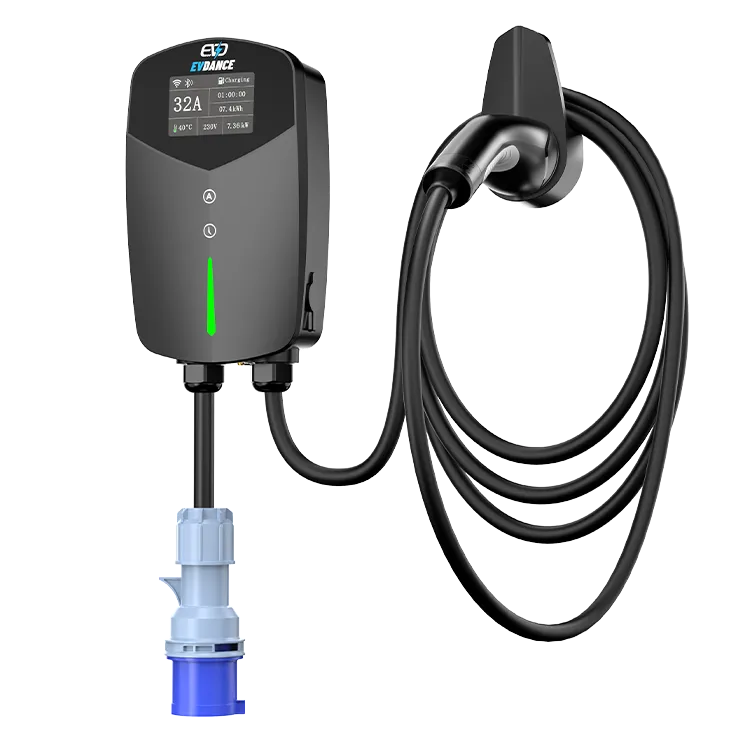
A charger that does not work frustrates drivers and costs revenue. Most failures at commercial sites are not electronic faults but damaged cables, dirty connectors, blocked ventilation or network problems. A simple, regular maintenance routine prevents many of them.
Daily or Weekly Checks
- Check that each charger is online and shows no fault on the management platform.
- Look for damaged cables, cracked connectors or bent pins.
- Make sure cables are coiled on holsters and not lying on the ground.
- Check that screens, status lights and RFID readers work.
- Remove litter or debris around the charger.
Monthly Checks
- Inspect cable jackets for cuts, crushing or UV damage.
- Clean connector contacts according to the manufacturer’s instructions.
- Check enclosure seals and gaskets.
- Review session logs for repeated faults or failed starts.
- Test RFID cards and app start.
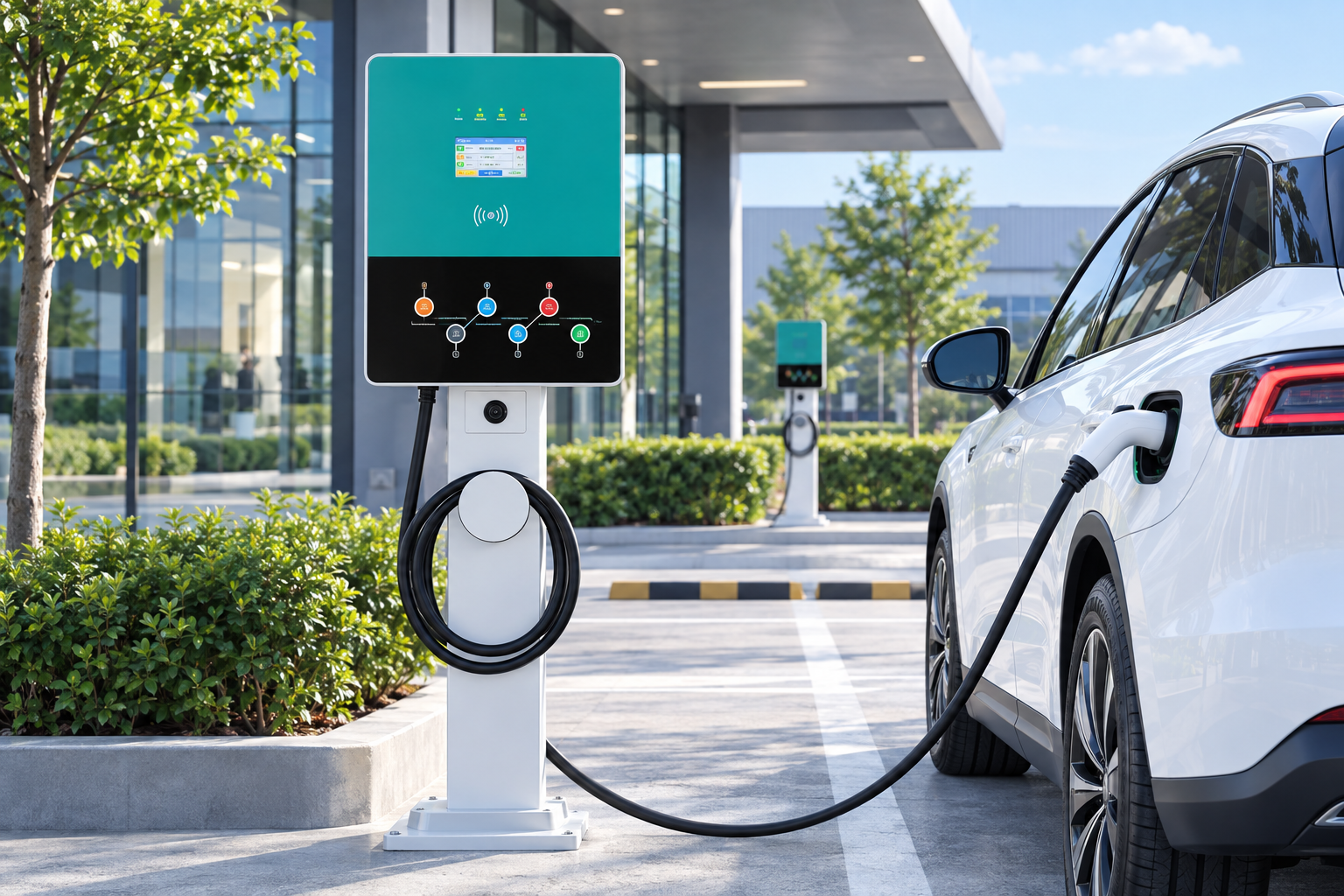
Yearly Checks by a Qualified Electrician
- Test RCD or GFCI protection devices.
- Check terminal tightness and look for signs of overheating.
- Verify earthing and insulation resistance.
- Check surge protection devices.
- Update firmware and confirm OCPP connection settings.
Keep Records
Log every inspection, fault and repair. Records help spot recurring problems, support warranty claims and show that the site is managed safely. Our warranty and repairs page explains how EVDANCE supports partners.
Design for Easy Maintenance
Choose chargers with remote monitoring and OTA firmware updates so many problems can be diagnosed without a site visit. Cable management and bollards reduce physical damage. EVDANCE commercial chargers such as the EV-ACT3204E use IP65/IP66 enclosures for outdoor sites. See commercial EV charging for more.
Related Reading
- RCD Protection for EV Chargers: Type A, Type B and 6 mA DC Detection Explained
- Mode 2 vs Mode 3 Charging: What IEC 61851 Means for Portable EV Chargers
- EV Charging News: France Tops 200,000 Public Charging Points
Key Takeaways
- Most charger failures come from cables, connectors and network issues.
- Weekly visual checks catch many problems early.
- A qualified electrician should test protection devices yearly.
- Remote monitoring and good records reduce downtime.
Sources & Standards
- IEC 61851-1 — Electric vehicle conductive charging system
- IEC 60364-7-722 — Supplies for electric vehicles
- OCPP 1.6J / 2.0.1 — Open Charge Point Protocol