
Rodents chew EV charging cables, and a cable with a broken jacket is a cable you stop using. The protection that works is mostly placement and housekeeping: keep the cable coiled off the ground where you can see it, deny pests the sheltered, cluttered spots they like, and inspect the run often. No gadget or spray guarantees a chew-free cable, so the inspection habit matters as much as any deterrent.
Key Takeaways
- Keep the cable coiled off the ground and in view; floor-level clutter is what attracts pests.
- Inspect the full run regularly; droppings, nesting and gnaw marks are early warnings.
- Any break in the jacket ends that cable’s service until it is professionally replaced.
- Deterrents are a backup. Exclusion, housekeeping and inspection do the real work.
Why Rodents Target Charging Cables
Rodents gnaw constantly to keep their teeth down, and a cable in a quiet garage corner is an easy target: sheltered, undisturbed for long stretches, and lying along a wall where rodents already travel. Outdoor runs near shrubs, woodpiles or under decks give the same shelter.
Signs Pests Are Active Around Your Charger
| Sign | What it means | What to do |
|---|---|---|
| Droppings or nesting material near the unit | Rodents are sheltering nearby and the cable is on their route | Clear the area, remove cover and food sources, inspect the full cable run |
| Scored or gnawed patches on the cable jacket | Chewing has started but may not have broken through | Inspect closely in good light. If the jacket is broken or a conductor shows, stop using the cable |
| Shredded insulation or exposed inner wires | The cable is damaged and unsafe to use | Stop. Do not tape it and do not charge with it. Arrange replacement and keep the cable out of reach |
| New charging faults or GFCI trips in a garage with pest signs | Hidden damage along the run is one possible cause | Stop using the circuit for charging and have a licensed electrician check it |
Prevention That Actually Helps
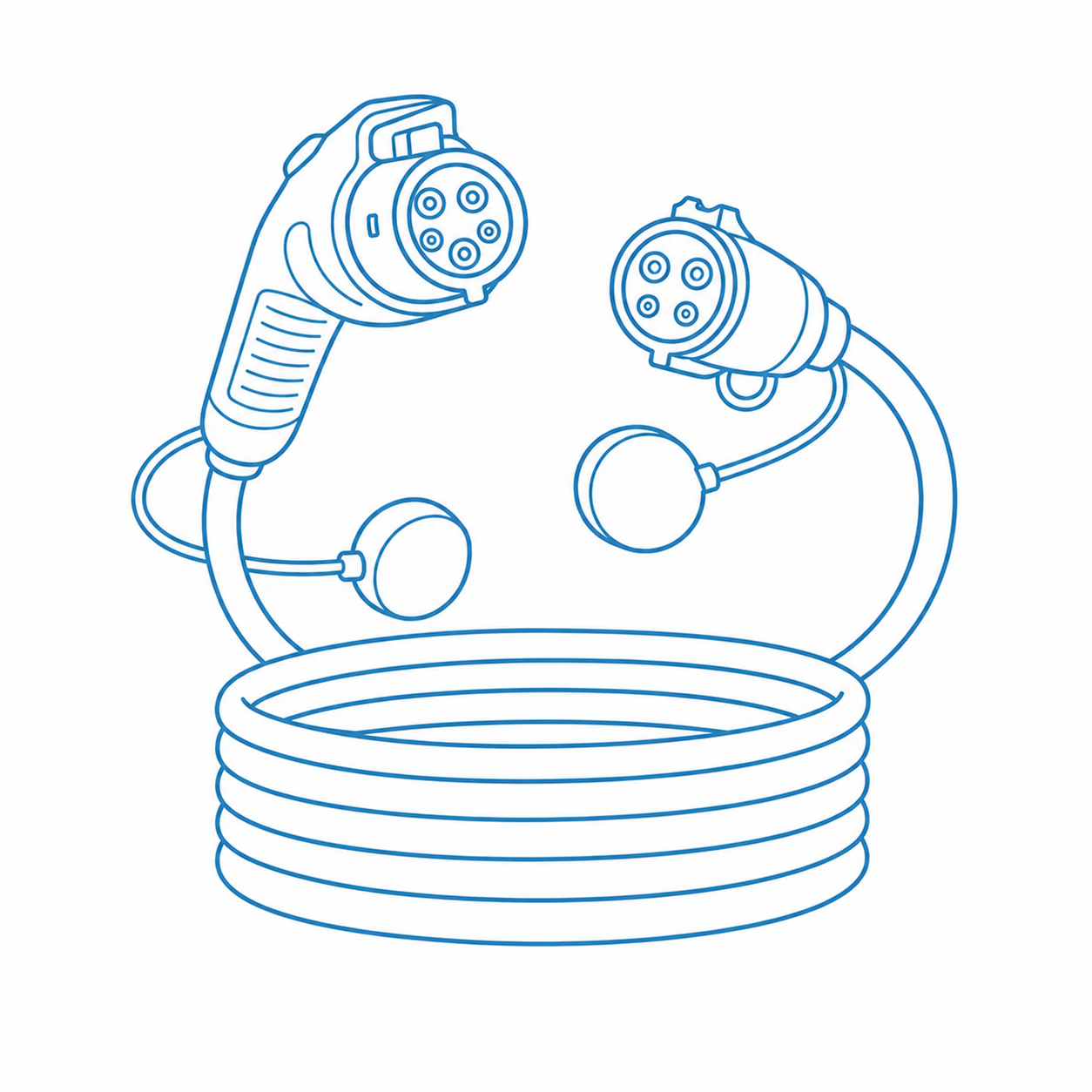
- Store the cable off the ground. Coil it on the charger’s holder or a wall hook after every session. A floor cable is both a chew target and damage waiting to be missed. Our guides to managing a charger cable and leaving a cable outside cover routing in detail.
- Route along open walls, not through cover. Keep runs visible and away from shrubs, timber, bins and pet food.
- Remove the welcome mat. Clear clutter around the charger, store seed and pet food in sealed containers, and block entry gaps into the garage.
- Ask about protected routing for fixed cables. For a permanently installed charger, a licensed electrician can advise on conduit or protected routes. That is installation work, not a DIY cable wrap.
- Inspect on a schedule. A monthly look along the whole run catches gnaw marks while they are still only jacket-deep.
About Deterrents, Honestly
Traps, ultrasonic plug-ins, scented sprays and peppermint oil are widely sold, and results vary a lot. Physical exclusion — no shelter, no food, no easy run along the cable — is more reliable than any of them. Treat deterrents as a backup to housekeeping, not a substitute, and keep any poison products away from children and pets.
If You Find Damage
Stop charging on that cable. As our guide to how long charging cables last sets out, taping over a damaged jacket is not a repair, and a cable with exposed conductors is finished. For a portable charger, replacement usually means a new listed unit — the EVDANCE EV-ACS3210T is a 32 A NACS portable charger rated IP66, and the full range is on the products page. On a wallbox, the tethered cable is part of the installation: cable replacement is a job for the manufacturer or a licensed electrician, not a home repair.
Frequently Asked Questions
Will rodents really chew through a charging cable?
They can, given time and access. A cable left undisturbed in a sheltered corner for weeks is the usual story, which is why coiling it up visibly and inspecting it regularly is the core of prevention.
My cable has light surface scratches but the jacket is not broken. Keep or replace?
If the jacket is unbroken and no conductor is visible, note it and watch it at each inspection. If you are unsure whether the damage breaks the jacket, treat it as damage: stop using the cable and ask the manufacturer or a licensed electrician rather than guessing.
Does a thicker or armoured cable solve the problem?
A tougher jacket slows gnawing but does not make a cable chew-proof, and armouring is a fixed-installation topic rather than a home fix. Placement, housekeeping and inspection still do most of the work.
Related Reading
- How Long Do EV Charging Cables Last, and Can They Be Repaired?
- Can You Leave an EV Charging Cable Outside?
- How to Hide and Manage an EV Charger Cable
- Can You Drive Over an EV Charging Cable?

