
A surprisingly high first bill after installing a home charger is rarely a faulty charger. The usual causes are billing timing — an estimated meter read corrected at once, or a cycle that catches a road trip — plus charging at full-price hours before scheduling is set up. Start by checking kilowatt-hours, not dollars: if the extra energy roughly matches your driving, the charger is doing its job and the fix is in the tariff and the timing.
Key Takeaways
- Check kWh against your mileage before blaming the charger; about 300 kWh per 1,000 miles is a normal order of magnitude.
- Estimated-read corrections, tiered rates and peak-hour charging explain most first-bill shocks.
- Session records from the charger or car prove what charging actually used.
- Unexplained draw after these checks deserves the utility, then a licensed electrician.
First Check: Kilowatt-Hours, Not Dollars
A bill can rise for two different reasons: you used more energy, or the same energy cost more. Compare this month’s kWh with the same month last year, then estimate what the car should have used. As an illustration, if your car uses about 0.3 kWh per mile measured at the wall — check its trip display for your real figure — then 1,000 miles of driving adds about 300 kWh, which at the EIA average residential price of 18.31 cents per kWh is roughly $55. That matches the worked examples in How Much Does It Cost to Charge an Electric Car at Home?
If your extra kWh are in that range, nothing is wrong. If they are far above it, work through the suspects below before suspecting the equipment.
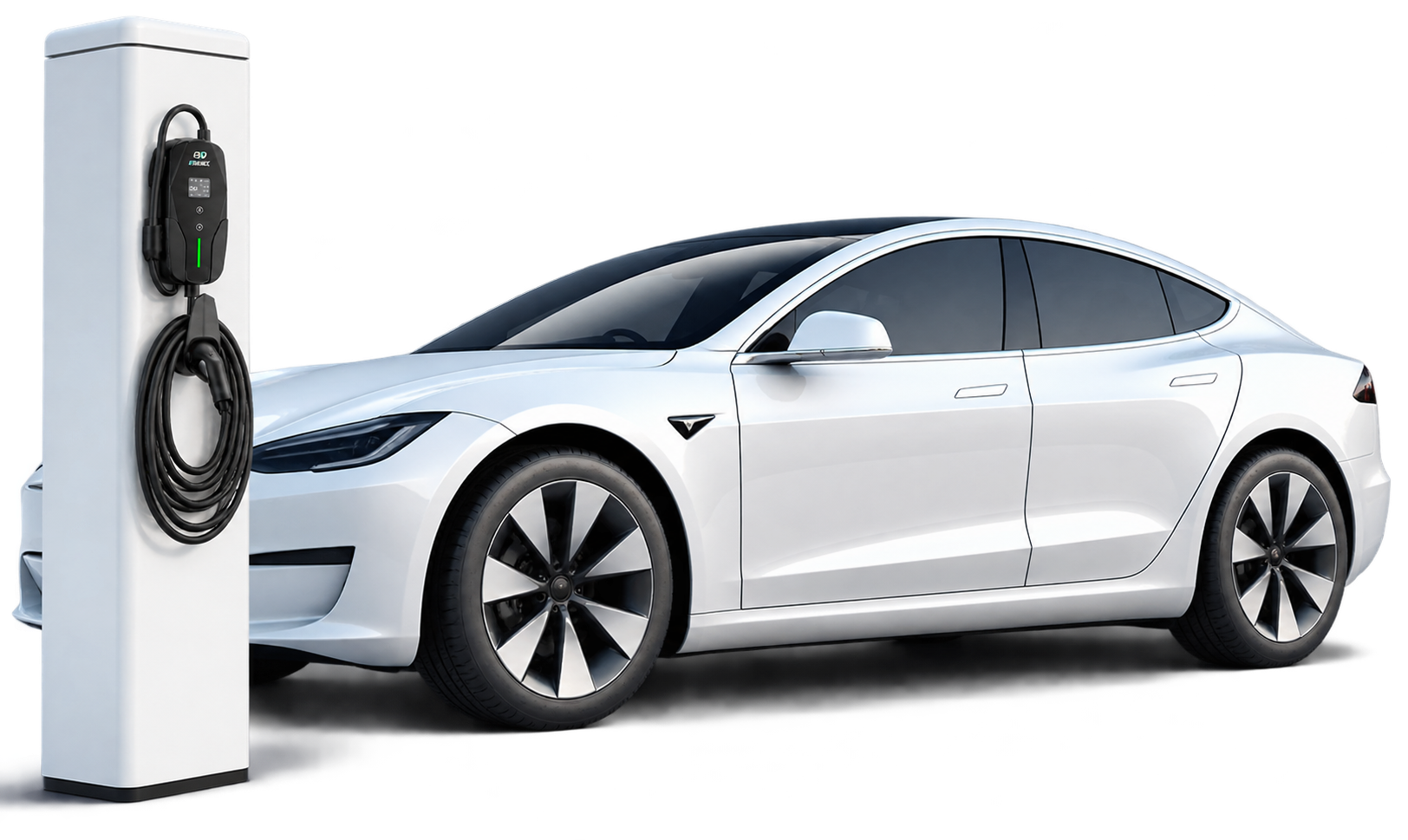
Five Usual Suspects Behind a High First Bill
| Cause | How to recognise it |
|---|---|
| Estimated read corrected | Previous bills say “estimated”; this one trues up months of under-reading in a single cycle — the energy is not all the charger’s. |
| An unlucky billing window | The cycle straddles installation plus a long trip, or two cars charging, so one month carries unusual mileage. |
| Charging at peak prices | On a time-of-use plan, plugging in at dinner time pays the peak rate until scheduling is set; the kWh are normal, the price is not. |
| Tiered rates | Where price rises in blocks, the EV’s extra kWh land in the most expensive block, so the car looks costlier per kWh than the house average. |
| Something else changed | Air conditioning, heating, guests or a new appliance landed in the same month and got blamed on the charger. |
How to Prove What the Charger Used
- Session records. A connected charger reports energy per session. The EVDANCE EV-ACT3204PE 22 kW wallbox offers RFID and app control, so its session history can be compared directly with the bill.
- The car’s own data. Trip and energy screens show what the car consumed over the same dates.
- A meter check. Note the meter reading before and after one overnight session and compare it with the session report.
- Interval data. Many utilities provide hourly usage online; EV charging shows up as a steady block of several kW. A smart meter makes this easier — see Do You Need a Smart Meter for an EV Charger?
Fixes That Lower the Next Bill
Set the charger or car to start after the off-peak period begins, and confirm your time-of-use enrolment is actually active — the plan change and the charger often start in different months. Smart Charging and Time-of-Use Tariffs walks through the scheduling side, and some utilities offer dedicated EV plans worth checking through the DSIRE database. If, after these checks, the kWh still cannot be explained, that is the point to call the utility about the meter, or a licensed electrician about the circuit — a charger that draws power unexpectedly is a fault to have inspected, not a bill to shrug at.

Frequently Asked Questions
Can a charger run up the bill while it is not charging?
Only by a few watts of standby for its electronics — a few dollars per year at average prices, not a bill shock.
Should I call the utility or an electrician first?
The utility first, if the kWh or the read look wrong; an electrician if the circuit, breaker or charger behaves oddly — heat, tripping or unexplained draw.
Will the second bill be lower?
Usually, once estimated reads settle, scheduling is on and the billing window no longer catches one-off events like a road trip.
Related Reading
- How Much Does It Cost to Charge an Electric Car at Home?
- Smart Charging and Time-of-Use Tariffs: How Scheduling Cuts EV Charging Costs
- Do You Need a Smart Meter for an EV Charger?
- Will EV Charging Prices Come Down?

