
Preconditioning does add energy to a winter charging session, but it is not money wasted. When the car is plugged in, the heater draws from the wall at your home rate and the battery still leaves at its set level. When the car is unplugged, the same heating drains the battery instead — so you pay for the warmth either way, and the real choice is range and comfort, not whether the energy gets used.
Key Takeaways
- Preconditioning adds kilowatt-hours, but plugged in they come from the wall at home rates, not from your range.
- Part of every cold-weather session goes to heating the pack; that is normal, not a charger fault.
- At 18.31 cents per kWh, each extra kilowatt-hour of heating costs about 18 cents — check your app for your real figure.
- A scheduled departure time is the cheapest pattern: charge and warm up just before you leave.
Where the Energy Goes
Preconditioning warms the battery pack and, in most cars, the cabin before departure. As What Is EV Battery Preconditioning? explains, a cold battery charges more slowly and gives up less range, so bringing it up to temperature first is what makes winter driving and winter charging behave like the summer versions.
Heating also happens during the session itself. On a cold morning, part of the energy a charger delivers in the early part of a session goes into warming the pack rather than into stored range. That share is part of why winter cost per mile rises even when electricity prices do not — the same effect behind Cold-Weather EV Charging being slower below freezing.
Plugged In or On Battery: Who Pays for the Heat?
| Precondition while plugged in | Precondition on battery | |
|---|---|---|
| Energy source | The wall, at your home electricity rate | The battery you already charged |
| Battery at departure | Still at its set limit | Partly spent on heating before you move |
| What you notice | A slightly larger session on the bill | Less range than the charge level suggested |
| Later cost | None extra | You recharge that energy later — possibly at public prices on a trip |
The dollars are modest either way. Every extra kilowatt-hour of heating costs about 18 cents at the EIA average residential price of 18.31 cents per kWh, and your car’s energy screen or charger app shows how many extra kilowatt-hours your winter sessions actually use — a better guide than any general estimate, because cars, garages and climates differ.
Keeping the Winter Cost Down
- Set a departure time. Scheduling the finish — and the warm-up — just before you leave means the car heats on wall power and does not sit warm for hours. Letting a car charge and warm overnight is covered in Can You Leave an EV Charging Overnight?
- Stay plugged in on cold nights. The car can maintain its battery temperature from the wall instead of from stored energy.
- Park under cover when you can. A garage that stays a few degrees warmer than the street reduces both heating time and session losses.
- Know Level 1’s limit. A Level 1 supply may not cover heating and charging at the same time, so the battery can still lose ground on the coldest nights.
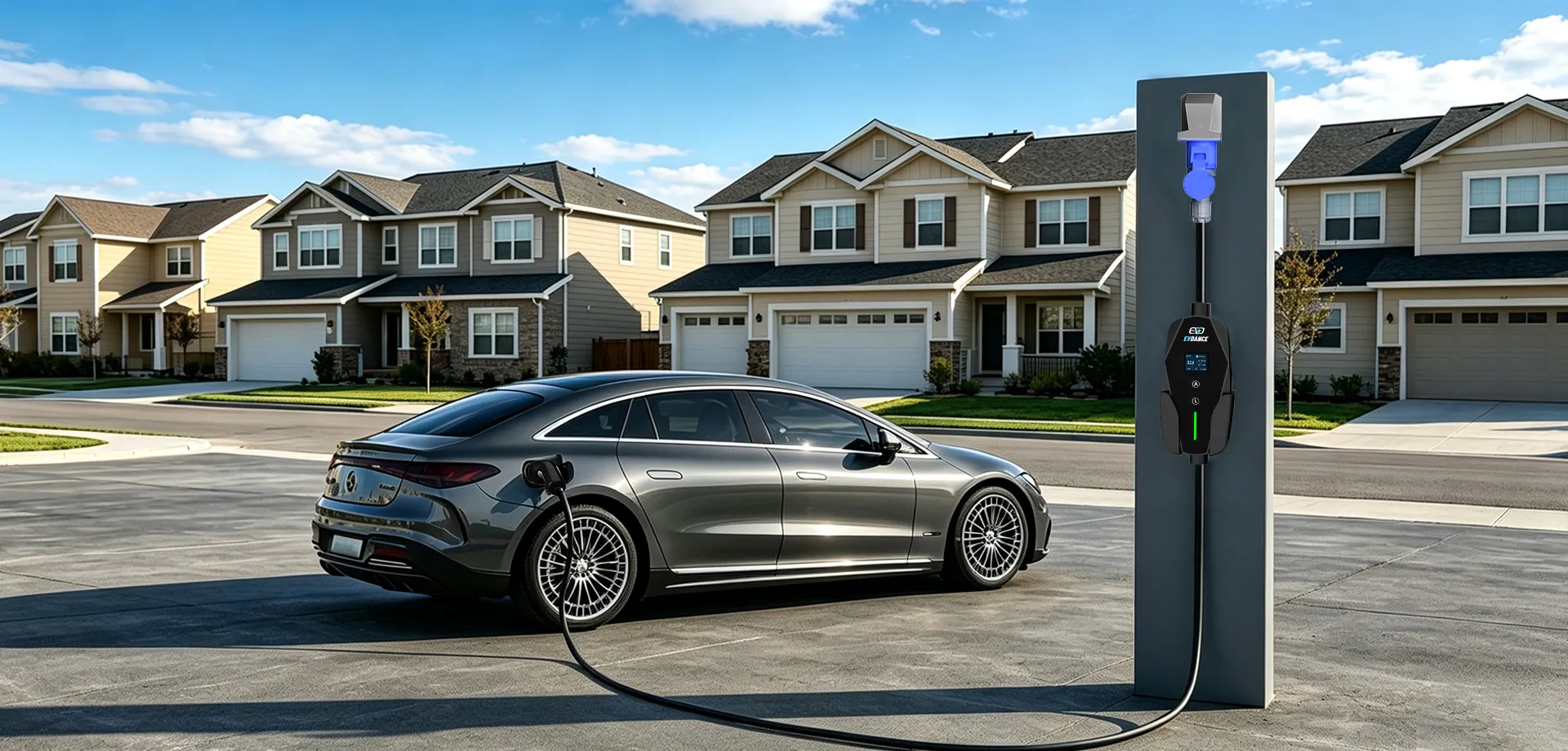
Scheduling is the tool that ties this together: a wallbox with app control such as the EVDANCE EV-ACT3204PE 22 kW wallbox (Type 2, RFID and app, IP66) lets you set when charging runs, so the session and the warm-up land just before departure instead of in the middle of the night.

Frequently Asked Questions
Does preconditioning waste money?
No. The heating energy is used either way; plugged in, it is bought at your home rate and your range is preserved. Skipping it just moves the cost into the battery.
Should I precondition before every winter drive?
For longer drives and the coldest mornings, yes. For a short trip, cabin heating alone may be enough; follow your carmaker’s guidance for battery care in severe cold.
Does preconditioning count toward my cost per mile?
Yes — it is part of your wall energy in winter, which is one reason winter cost per mile runs higher than summer even on the same tariff.
Related Reading
- What Is EV Battery Preconditioning?
- Cold-Weather EV Charging: What Happens to Chargers and Cables Below Freezing
- How Much Does It Cost to Charge an Electric Car at Home?
- Can You Leave an EV Charging Overnight?

