
Lending an EV is easy once you hand over the charging basics with the keys. Five minutes in your driveway covers it: how to plug in and unplug, what the charge limit is set to, which cable and adapter are in the trunk, and how charging away from your house works and gets paid for. Do that, and a friend who has never charged a car will manage a weekend without a single anxious phone call.
Key Takeaways
- Five minutes at the car — plug in, unplug, charge limit, fault rule — is the whole handover.
- Send the portable charger and any adapter with the car, every time.
- Agree payment and return charge level before they leave, not after they return.
- Send the public charging links ahead; borrowers worry most about charging away from home.
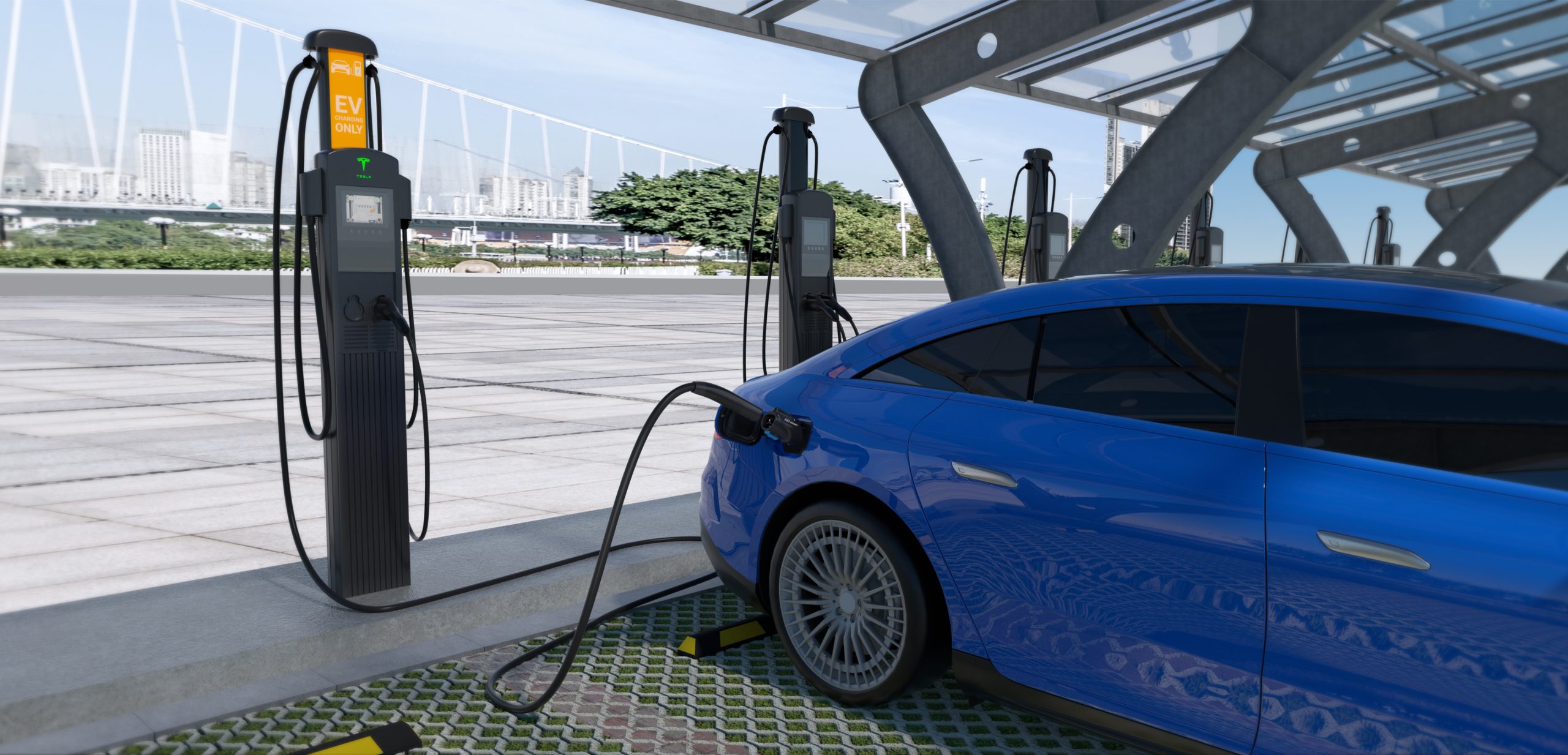
The Five-Minute Driveway Handover
Do it at the car, not over the phone later. Have your friend plug in and unplug once while you stand there.
- Where the charge port is, how it opens, and how the connector seats and releases.
- The charge limit the car is set to, so a “not full” battery in the morning is expected, not a fault.
- How to tell a session has started: the car’s charging light or screen, not just a cable that looks connected.
- The one rule: if a connector will not go in or come out, never force it. Stop and call you.
What to Send With the Car
An EV borrowed without its charging gear is a car with a shrinking fuel tank. Check the trunk together before they leave.
- The portable charger. A unit like the EVDANCE EV-AC04001U 40A J1772 portable charger (9.6 kW, NEMA 14-50P, 25 ft, IP66) lets them charge at their own home or a destination with a suitable outlet.
- An adapter, if your car uses one. The EVDANCE JT02 NACS-to-J1772 adapter (AC, up to 80 A, IP65) covers AC charging where the connector types differ.
- Your home address and number. If anything about charging confuses them, you are the manual.
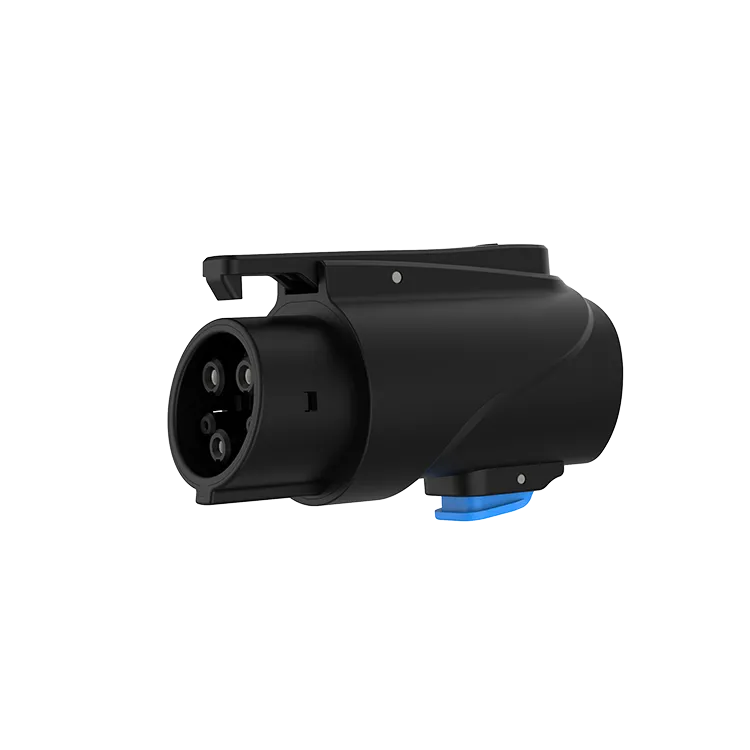
Not every car ships with the same gear, which is why the checklist matters — see do electric cars come with a charging cable for what is typically included.
Charging Away From Your House
This is the part first-time borrowers worry about, and it is mostly a speed question. Using the U.S. DOT’s typical figures:
| Where they charge | Typical speed | What they need |
|---|---|---|
| Your home charger, before and after the trip | Level 2 | The five-minute demo above |
| Public Level 2 (7–19 kW) | About 10–20 miles of range per hour | Payment at the station; see the public charging walk-through below |
| DC fast charging (50–350 kW) | About 180–240 miles of range per hour | Short stops on a longer drive, not a full charge |
Send them two links before they go: how to use a public EV charger for the session itself, and where to find EV charging stations for planning stops. If their trip is long, how to use a DC fast charger covers the fast option step by step.
Agree the Money and the Return Level Before They Leave
Two sentences prevent the only awkward conversation a loan can produce. First, public charging goes on their card — session prices vary by station, so there is nothing to settle later. Second, agree the return level: most owners are happy with “bring it back around the level it left with,” and the home electricity involved is small either way — at the US average residential price of 18.31 cents per kWh (EIA), even a 40 kWh charge costs about $7.32. Lending the car full and getting it back low is a rounding error; lending it without a plan is the actual problem.
Frequently Asked Questions
Should I lend my home charging cable as well as the portable charger?
The portable charger is the one designed to travel. A wall charger’s tethered cable stays with the wall charger. If your portable unit is the one you also use at home, agree who has it for the weekend before they drive off.
What if they run the battery nearly empty?
The car protects itself, and a deep discharge once is not the disaster it is made out to be. Ask them not to leave it sitting near empty for days, charge it when they can, and tell you if a warning light appears.
Can a first-time borrower damage anything by charging?
Plugging in cannot damage the car — the car controls the session. The real risks are physical: a forced connector or a cable driven over. Both are covered by the handover rule: never force anything, and keep the cable out of the tire path.
Related Reading
- How to Use a Public EV Charger (and How to Stop It)
- Where to Find EV Charging Stations: Maps, Apps and Tips
- How to Use a DC Fast Charger: Step by Step
- Do Electric Cars Come With a Charging Cable?

