
A right-sized rural DC stop matches two things at once: the time drivers actually spend there, and the supply the local network can realistically offer. For a village or destination stop built around a meal or a visit, one compact DC unit in the 22 kW class usually fits both better than corridor-class hardware — it adds useful energy inside a normal stop, at a draw a modest site has a chance of carrying.
Key Takeaways
- Right-sizing a rural stop means matching the charger to the visit length and to the local supply — both, not either.
- A meal-length stop pairs with compact DC in the 22 kW class; overnight stays belong on Level 2 AC.
- Corridor standards and costs are a different scale; whether a rural feeder can carry a load is the network operator’s assessment, never a quoted statistic.
- One DC unit plus AC points, planned around the site’s own seasonal pattern, is the practical small-site layout.

What a Rural Stop Actually Looks Like
Rural charging is destination charging: nobody drives to a village charger as the trip’s single purpose the way they leave a motorway for a corridor hub. As labelled scenarios, the stop lengths sort the hardware:
| The stop | Typical stay | What serves it |
|---|---|---|
| A meal or café stop | About 45–60 minutes | Compact DC: at a sustained 22 kW, roughly 15–20 kWh before losses and taper — a real top-up inside the meal |
| A village visit, market or attraction | About 1–2 hours | Compact DC or Level 2 AC, depending on how much energy the driver needs |
| An overnight stay | All night | Level 2 AC: the car is parked far longer than any charger needs |
The energy figures are planning arithmetic at the unit’s stated rate, not promises — the car’s DC acceptance and the charge curve set what a given session actually delivers.
The Supply Is the Real Constraint
The harder half of right-sizing is electrical. Corridor DC is built to a different scale: the NEVI standard for funded U.S. corridor stations requires DC ports of at least 150 kW, and DOE-cited U.S. figures put DC fast equipment at about $38,000–$90,000 plus $20,000–$60,000 installation per unit — labelled U.S. numbers, but they show the supply conversation a corridor unit starts. A rural feeder serving a village was not built around loads of that size, and whether it can carry one is the network operator’s assessment, not a statistic anyone can quote in advance. A compact unit in the 22 kW class asks a smaller question — the same order of ask as a serious AC installation — which is why it is often the largest DC step a rural site can take without supply works becoming the project.
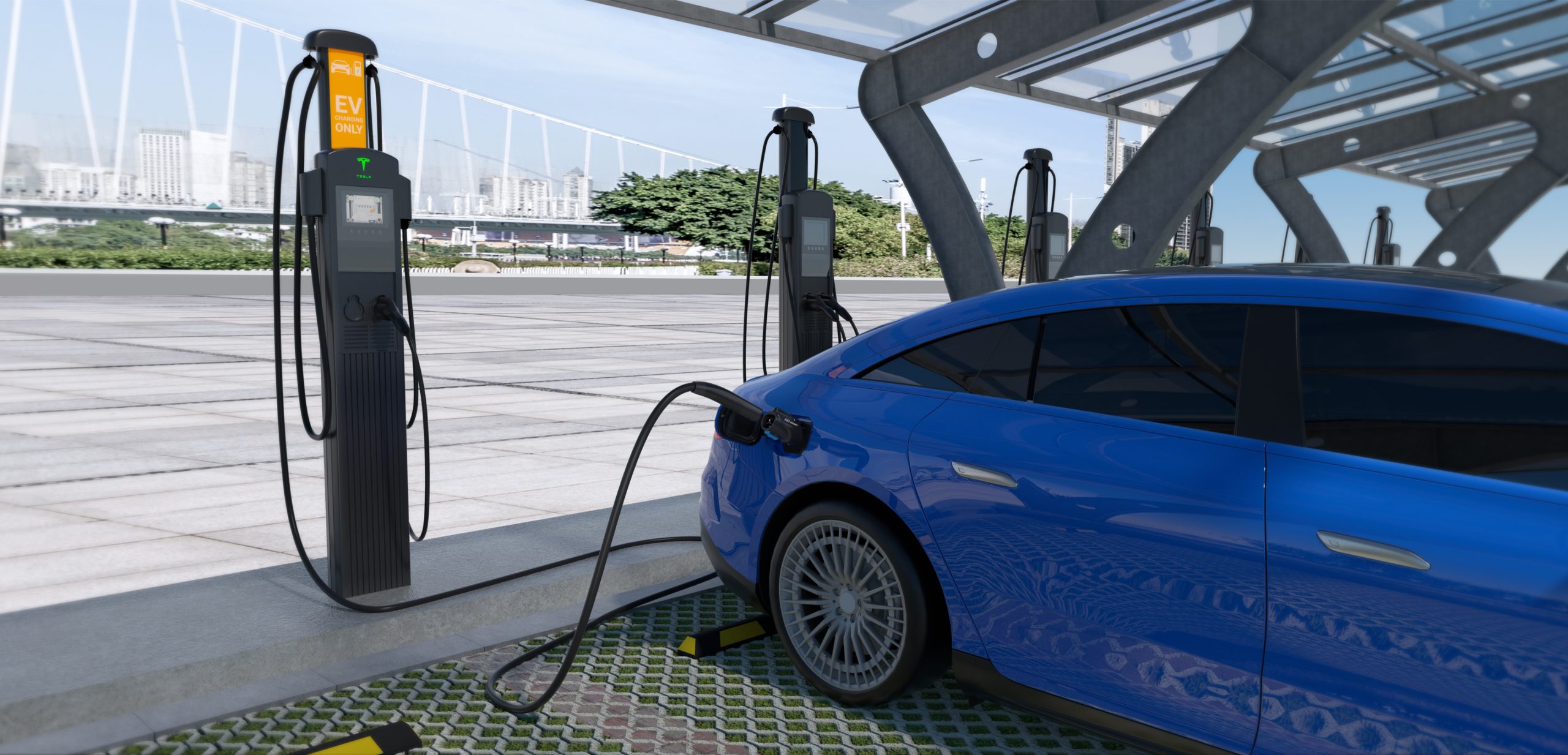
A Mixed Layout for a Small Site
For most rural sites the practical answer is a pair, not a single technology:
- One compact DC unit for the meal-length stops — the drivers who need energy, not just parking.
- Level 2 AC points for the long stays — overnight guests and all-day visitors, at AC’s lower supply and cost structure.
- Seasonal honesty — demand at a rural stop follows the site’s own seasons. Plan signage, pricing and any booking arrangement around the pattern you observe in your first year, not around a forecast.
The EV-RHDC30K-L fills the DC half of that layout: floor-standing, IP54 for an outdoor bay, and OCPP 1.6J so a small operator can run it on a platform with session records. How the classes compare is set out in Level 1 vs Level 2 vs DC fast charging, and corridor expectations are covered in how fast is a DC fast charger.
Frequently Asked Questions
Will highway drivers find 22 kW too slow?
Some will — and that is the honest positioning. This is a destination stop: it serves drivers whose trip already pauses for a meal or a visit. Through-traffic looking for a corridor charge should be directed to corridor sites; a rural stop that promises motorway speeds it cannot deliver helps no one.
Are there grants for rural charging?
Programmes exist in some countries and regions and change often; none is stated here because eligibility is local and dated. For U.S. sites, check the official sources in the references and the DSIRE database; elsewhere, ask your local authority or network operator what is currently open.
What if the local supply cannot carry even 22 kW?
Then the assessment has done its job before money was spent. The options — supply works, a smaller installation, AC only — are the utility’s and your electrician’s to price as written offers. Do not install first and negotiate with the feeder afterwards.
Related Reading
- Level 1 vs Level 2 vs DC Fast Charging: A Practical Comparison
- How Fast Is a DC Fast Charger?
- How to Use a DC Fast Charger: Step by Step
- How Do DC Fast Chargers Work?

