
Less than most people expect. A plug-in hybrid’s battery typically holds about 10 to 25 kWh, so even an empty-to-full charge draws only a little more than that from the wall — roughly a tenth extra for charging losses. Day to day you replace just the miles you drove on electricity, which usually means a few kilowatt-hours a night, not a full pack.
Key Takeaways
- A full plug-in hybrid charge draws roughly the pack size — typically 10–25 kWh — plus about 10% for losses.
- Everyday use is smaller: about 10 kWh from the wall for an example 30 electric miles, or roughly 300 kWh a month if repeated daily.
- The car’s charge rate changes how long a fill takes, not how much electricity the miles need.
- Miles beyond the battery run on petrol, so the wall figure is only part of a plug-in hybrid’s energy picture.
One Full Charge: The Pack Sets the Amount
Our guide to chargers for plug-in hybrids puts typical pack sizes at about 10–25 kWh. Using the same roughly 10% AC charging-loss figure as our guide to how many kWh a charge takes, an empty-to-full fill looks like this. These are worked examples, not ratings for any specific model:
| Usable pack size (example) | Drawn from the wall, empty to full | Cost at the 18.31¢/kWh U.S. average home price |
|---|---|---|
| 10 kWh | About 11 kWh | About $2.00 |
| 18 kWh | About 20 kWh | About $3.66 |
| 25 kWh | About 27.5 kWh | About $5.04 |
A Day, a Week, a Month of Electric Miles
Full charges are the exception. The everyday figure is built from miles. Take an example driver who covers 30 miles a day on electricity. At the example consumption of about 0.30 kWh per mile used in our kWh guide, that is about 9 kWh into the battery, or roughly 10 kWh from the wall once losses are counted. Repeat it daily and the wall meter records about 300 kWh over a 30-day month — about $55 at the 18.31-cent average residential price.
Treat those as example sums, not a promise: your car’s dashboard average and your own tariff are the real inputs, and if you drive fewer electric miles the wall figure falls in proportion. Many plug-in hybrid drivers also skip days, because a short trip does not empty the pack.
The Charge Rate Changes the Hours, Not the Amount
Most plug-in hybrids accept AC charging at roughly 3.3 to 7.4 kW — well below what a home Level 2 charger can supply. That limit decides how long a fill takes, but it does not change how much electricity a given number of miles needs. The same 10 kWh arrives slowly from a household outlet or quickly from a wallbox; only the losses differ slightly between setups. So when you are estimating electricity use, count miles and pack size, not charger size.

Why the Wall Figure Is Only Part of the Fuel Picture
A plug-in hybrid has a second energy source. Miles driven beyond the battery’s range are powered by petrol, so the electricity drawn from your wall understates the car’s total energy use — by design. That is why comparing a plug-in hybrid’s kWh against a battery-electric car’s kWh only makes sense per electric mile: the plug-in hybrid’s remaining miles simply show up on a different meter, at the fuel pump. For the money side of home charging generally, see our breakdown of what it costs to charge an electric car at home.
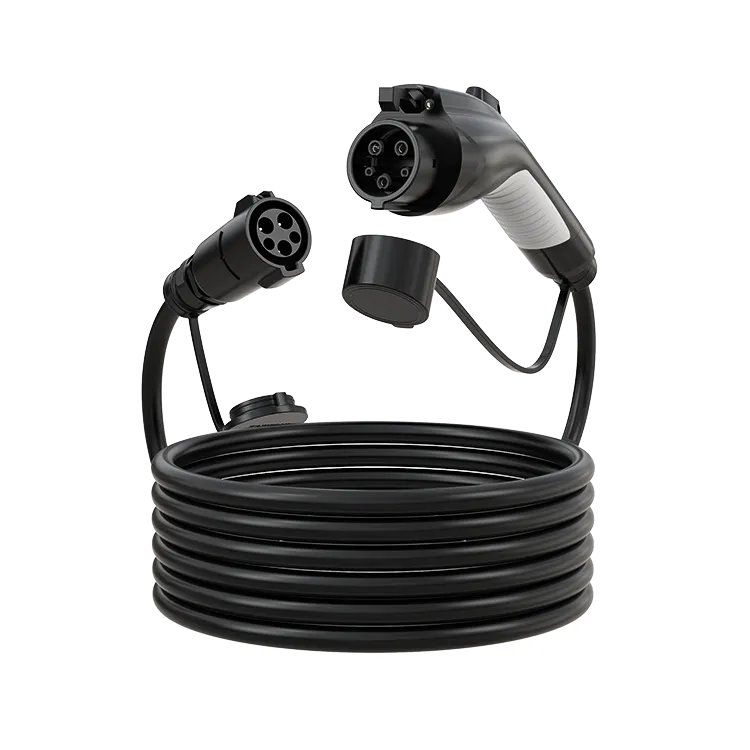
Because the amounts per session are small, many plug-in hybrid drivers charge from a portable unit rather than a fixed wallbox: the EVDANCE EV-AC04001U 40A J1772 portable charger plugs into a NEMA 14-50 outlet, and the car draws only the rate it accepts. Drivers who later move to a full EV can see the wall-mounted options on our residential EV charging page.
Frequently Asked Questions
How many kWh does a full plug-in hybrid charge use?
Roughly the pack size plus about a tenth for losses. Across the typical 10–25 kWh pack range, that is about 11 to 27.5 kWh drawn from the wall for an empty-to-full charge.
Does a plug-in hybrid use less electricity than a full EV?
Per charge, yes, because the battery is much smaller. Per month, it depends entirely on how many of your miles are electric: a plug-in hybrid driven mostly on petrol draws very little from the wall, while one charged daily can use a few hundred kWh a month.
Does the petrol engine add to the electricity my wall supplies?
No. Your meter counts only what the charger delivered. Any electricity the car generates on board from fuel is produced inside the car and never passes through your home supply.
Related Reading
- How Many kWh Does It Take to Charge an EV?
- Do I Need an EV Charger for a Plug-In Hybrid?
- How Much Does It Cost to Charge an Electric Car at Home?

