
Decide by charging, not by technology. If you can plug in where the car parks overnight, a full EV does your daily driving on home electricity and needs no engine at all. If you cannot charge regularly, a hybrid keeps petrol flexibility with no plug to think about — and a plug-in hybrid only earns its keep if you actually charge it.
Key Takeaways
- Ask where the car will charge first — that answer decides most of the question.
- A full EV takes the whole home-charging advantage; a hybrid needs no charging at all; a plug-in hybrid sits between and only pays if plugged in.
- Buy for your typical week, not your longest trip of the year.
- Upkeep shrinks as the drivetrain gets more electric; running cost shifts from the fuel pump to your electricity tariff.
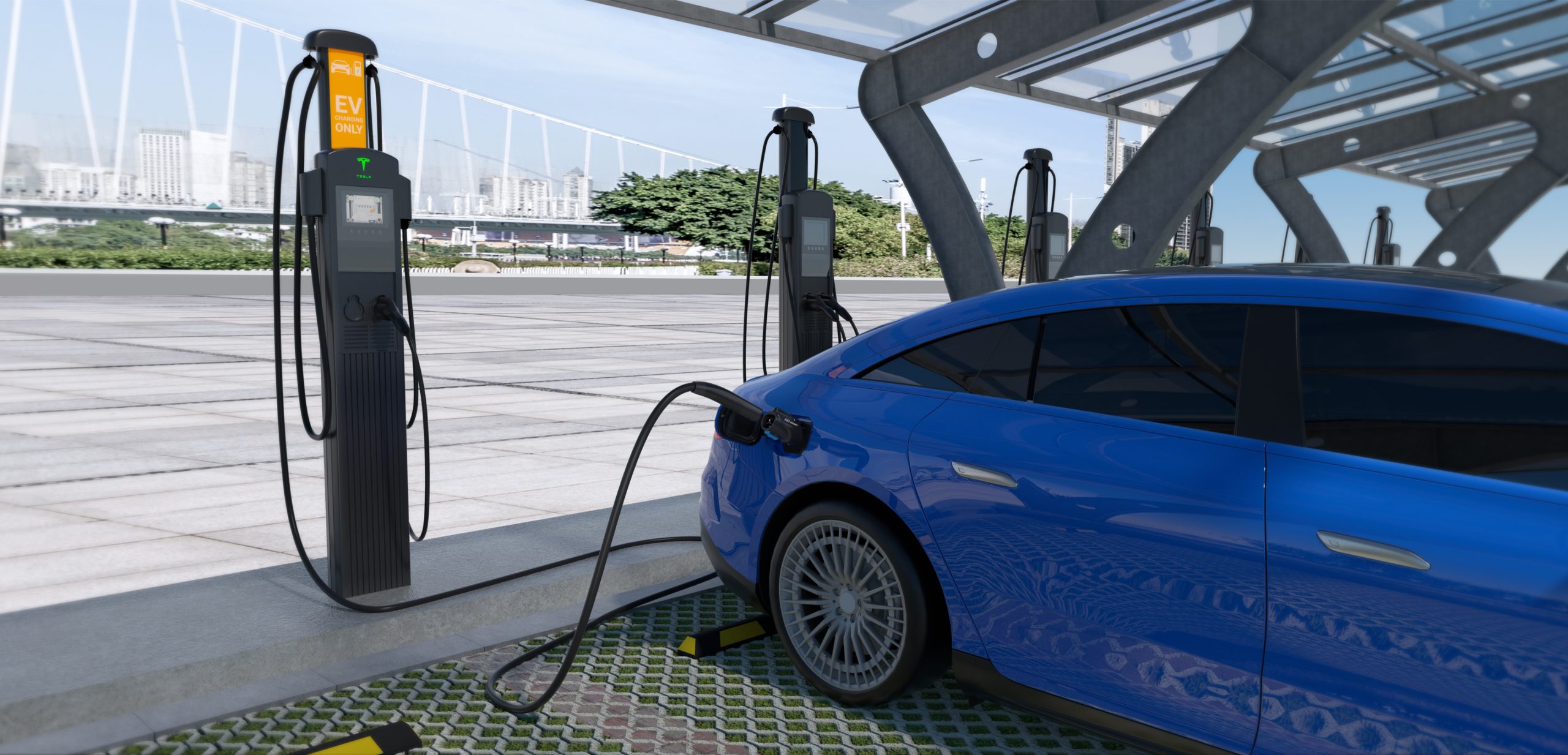
The Three Kinds on the Table
| Type | How it is powered | Does it plug in? |
|---|---|---|
| Full EV (BEV) | A large battery and electric motor only | Yes — all of its energy comes from charging |
| Plug-in hybrid (PHEV) | A medium battery, electric motor and a petrol engine | Yes — electric for shorter trips, petrol for longer ones |
| Hybrid (HEV) | A petrol engine helped by a small battery and motor | No — it charges its own battery from the engine and braking |
The middle row is the one people misunderstand. A plug-in hybrid is two cars in one: charged daily, it runs most short trips on electricity; never charged, it is a hybrid carrying a bigger, heavier battery.
Charging Access Decides Most of It
Home electricity is the cheapest fuel any of these cars can use — 18.31 cents per kWh at the U.S. residential average (EIA), against regular gasoline at $4.331 per gallon, as our guide to whether charging an EV is cheaper than gas works through. The advantage belongs to any plug-in car, but only in proportion to how much of its driving is electric:
- You can charge where you park. A full EV takes the whole advantage, every day — the strongest case on the table.
- You can charge, but your days are long and mixed. A plug-in hybrid covers the commute electrically and the rest on petrol — provided you plug it in nightly. Whether a PHEV needs its own charger is covered in our guide to EV chargers for plug-in hybrids.
- You cannot charge at home or at work. A hybrid asks nothing of you. A full EV means building your week around public charging; a PHEV would mostly run as a hybrid anyway.

Your Trip Pattern Breaks the Tie
If charging access is equal, look at the shape of your driving. Short daily trips with the car home nightly suit any of them. Long distances separate them: a full EV covers them with DC fast charging stops (50 to 350 kW, U.S. DOT typical figures) planned in; a hybrid or plug-in hybrid in petrol mode simply refuels. How the charging layers divide the work is set out in our comparison of Level 1, Level 2 and DC fast charging. Buy for the fifty weeks, not the one trip.
Upkeep Follows the Drivetrain
A full EV has no engine to service: no oil, no exhaust system, no spark plugs. A hybrid keeps all of that in a smaller engine that shares work with a motor; a plug-in hybrid keeps it too, though its engine usually runs less. All three use regenerative braking, sparing the friction brakes. The more of the car that is electric, the less engine upkeep there is — and the more running cost depends on your electricity price.
If you land on a plug-in, the charger makes the choice work. A plug-in hybrid’s smaller battery fills overnight even on modest power; a full EV restores a normal day the same way. The EVDANCE EV-AC04001U 40A J1772 portable charger (9.6 kW, NEMA 14-50) suits either; the EVDANCE EV-ACT5006T 48A Level 2 wall charger is the fixed version.
Frequently Asked Questions
Does a hybrid need a charger?
A conventional hybrid never plugs in: it recharges its small battery from its engine and braking, so there is nothing to install. A plug-in hybrid does plug in, and needs to regularly — unplugged, it runs as a hybrid with extra battery weight.
Is a plug-in hybrid a good halfway step?
It can be, if your life splits cleanly: electric weekdays, petrol weekends, and a socket where the car sleeps. It is a poor step if you will not plug it in — then the simpler hybrid does the same job with less complexity.
Which is cheapest to run?
The one that runs on home electricity for the largest share of its miles. At 18.31 cents per kWh (EIA average), home-charged miles cost far less than petrol at $4.331 per gallon; a car that rarely plugs in gives most of that back.
Related Reading
- Do I Need an EV Charger for a Plug-In Hybrid?
- Is Charging an Electric Car Cheaper Than Gas?
- Level 1 vs Level 2 vs DC Fast Charging: A Practical Comparison

