
Starting an EV charger distribution business in Poland stands or falls on two organisational decisions: how your margin is structured, and how your coverage is staged. Map every layer the margin has to fund before you sign a supply agreement — the leaks are predictable — and expand region by region, only where installer partners already stand. No price levels or Polish market claims are stated here — your own quotes are the inputs.
Key Takeaways
- Build the margin stack from your own costs: landed cost, your margin, partner margin and a priced-in service reserve.
- The leaks are predictable — price matching, currency gaps, unconverted demos, warranty freight, the first discount.
- Stage coverage region by region: a region opens when installer partners and a spares route exist there.
- No price levels or Polish market claims are stated here — positioning is a method, run on your own numbers.
Map the Margin Before You Sign
Write the stack down for your own figures before negotiating anything:
| Layer | What sits in it | The leak to watch |
|---|---|---|
| Landed cost | Unit price plus freight and the clearance charges your broker confirms per shipment | Budgeting from an old quote: freight and charges move, so this layer is rebuilt, not remembered |
| Your margin | What funds your operation — demo stock, partner training, documentation, warranty handling | Taking it as whatever is left after discounting, instead of pricing the work it must fund |
| Installer or dealer margin | The partner’s reason to specify and support your models over another line | Squeezing it to win one order, then finding no partner willing to service the installed base |
| Service reserve | Spares in country, freight on replacements, labour for handling faults under warranty | Discovering it after the first failures: an unpriced reserve is paid from margin already spent |
Where Margin Quietly Leaks
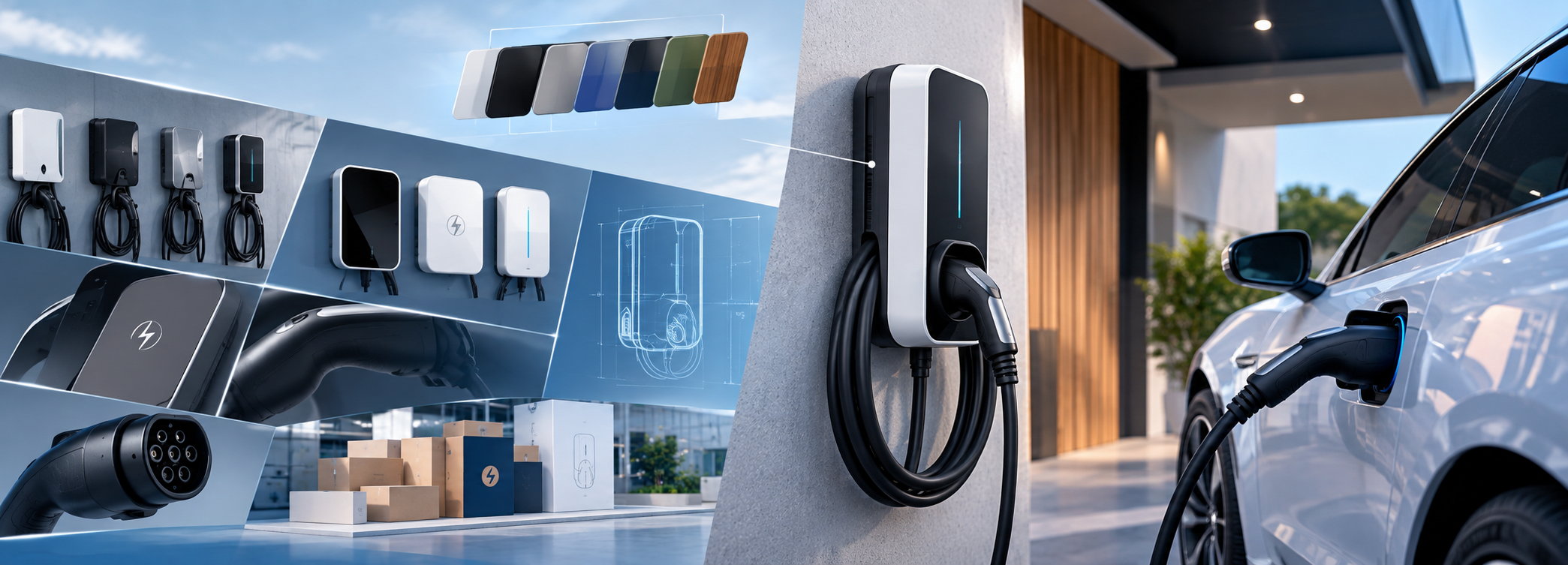
- Identical-model price matching. The same boxed model as every marketplace listing is compared on price alone; a private-label range is compared on documentation and service.
- Currency movement between quote and payment. If your buying and selling currencies differ, the validity gap is a margin item — fix validity windows and the agreement’s currency in writing.
- Demo units that never convert. A demo without a named partner, site and review date is a gift, not an investment.
- Warranty freight absorbed silently. Replacement units travel; if the agreement does not say who pays, it is you — price it into the service reserve.
- The first big discount. It sets the reference price every later buyer quotes back at you. Discount for scope or commitment, not for hope.
Stage the Coverage: Partners Before Postcodes
Coverage in a country of Poland’s size is staged, not declared. Start where your installer partners already work and your first accounts sit. Add a region when two things exist there — partners who can install and service, and a route for spares to reach them — not when a map looks empty. The opposite is a national promise kept by courier: installations wait, faults travel the length of the country, and the service reputation your margin depends on is spent in year one. What to settle with each partner is covered by the distributor checklist for warranty and after-sales terms.

Distributing EVDANCE Chargers in Poland
EVDANCE is a Shenzhen EV charger manufacturer founded in 2011, exporting to more than 30 countries, with a 3-year standard warranty — and private label from 100 units, the positioning lever above: your brand on the unit, your documentation, your service promise. Start through the reseller and distributor program: bring your margin stack, the region you will open first with its partners, and the models from the product range you want to lead with. Settle warranty freight, spares terms and quote validity in the agreement. Contact us to open the conversation.
Frequently Asked Questions
How much margin should a distributor take on EV chargers?
There is no responsible figure to quote — anyone who gives you one is guessing with your money. Build the stack from your own landed costs and the work each layer must fund: your operation, your partners’ reason to sell, a service reserve. If the achievable price cannot fund all three, the problem is the range or the channel, not the arithmetic.
Should I launch across Poland at once?
No. Open where your partners and first accounts are, service that territory properly, and add regions as partners and spares routes exist there.
How do I compete with cheaper listings of similar chargers?
By changing what is compared. A private-label range, documented conformity files, trained partners and a staffed service promise are compared on trust; an identical boxed model is compared on price alone.
Related Reading
- How Distributors Can Build a Profitable EV Charger Product Line
- EV Charger Warranty and After-Sales Terms: A Distributor’s Checklist
- EV Charger Spare Parts and RMA Process for Distributors
- How to Find EV Charger Distributors and Installers to Sell To

