
Starting an EV charger distribution business in Saudi Arabia is an organisation build before it is a stock purchase. The distributors who last fix four things in order: supplier terms they can hold in writing, a service-and-spares promise they can keep across long distances, an installer network that covers the sites they sell into, and demo stock that shows the range working. Market-size figures decide none of that; this article works through the build itself.
Key Takeaways
- Terms first: market versions, warranty route and spares supply in writing before the first order.
- Service coverage across distance is the business; build it as own staff plus contracted partners under one process.
- Installer coverage and demo stock come before volume.
- No honest stock or market figure exists to copy — size everything from your own capacity and installed base.
Fix the Supplier Terms First
Stock bought on vague terms becomes expensive at the first warranty case. Before the first order, get the following into the supply agreement or the order documents:
- The market versions the supplier will build for you — connector family, input form and phase build named per model.
- The warranty route: who the end customer claims from, where a failed unit goes, and who pays the freight each way.
- Spares supply: which parts are stocked for your models, and how replenishment is ordered.
- Branding terms, if you sell under your own label, including what the label may claim.
- Price validity per order, so a sold quotation does not move before you place it.
Each line is a question the supplier answers in writing. Our guide to building a distributor product line covers the stocking side; the terms above are what make it safe.

Service Coverage Is the Business
Saudi Arabia’s geography turns after-sales into an organisational question. A charger you sold is a promise that someone competent will reach it when it faults, and the distance between your warehouse and your furthest site is part of every sale. Build it deliberately: your own technicians where your sites cluster, contracted local installers and service partners where they do not, and one published process — who the customer calls, what travels with the fault report, what the response steps are — working the same in both cases.
The spare parts and RMA process sets out what to hold and how returns move; the warranty and after-sales checklist lists the terms to close with the supplier. Size your spares shelf from your own installed base as it grows — there is no standard figure to copy.
Demo Stock and First Sites
| Build block | The decision to make | Early evidence it is working |
|---|---|---|
| Supplier terms | Which models and market versions, on what written warranty and spares terms | The first order ships with every term already answered in writing |
| Service coverage | Own technicians, contracted partners, or a mix — mapped against where you will sell | Your first fault case closes inside the process you published |
| Installer network | Which licensed installers cover which site classes, on what call-out arrangement | A pilot site is installed without your team travelling to it |
| Demo stock | One working unit per segment you sell — home, workplace, shared bay | Customers charge on your demo units before they sign |
| After-sales desk | One contact point, one fault-report format, one record per case | Every case is findable by serial number |
Demo stock earns its cost when it is installed, not shelved: a working EV-ACT3204E wallbox at a partner’s premises answers more buyer questions than a brochure, and its pilot sites are where your installer network proves itself.
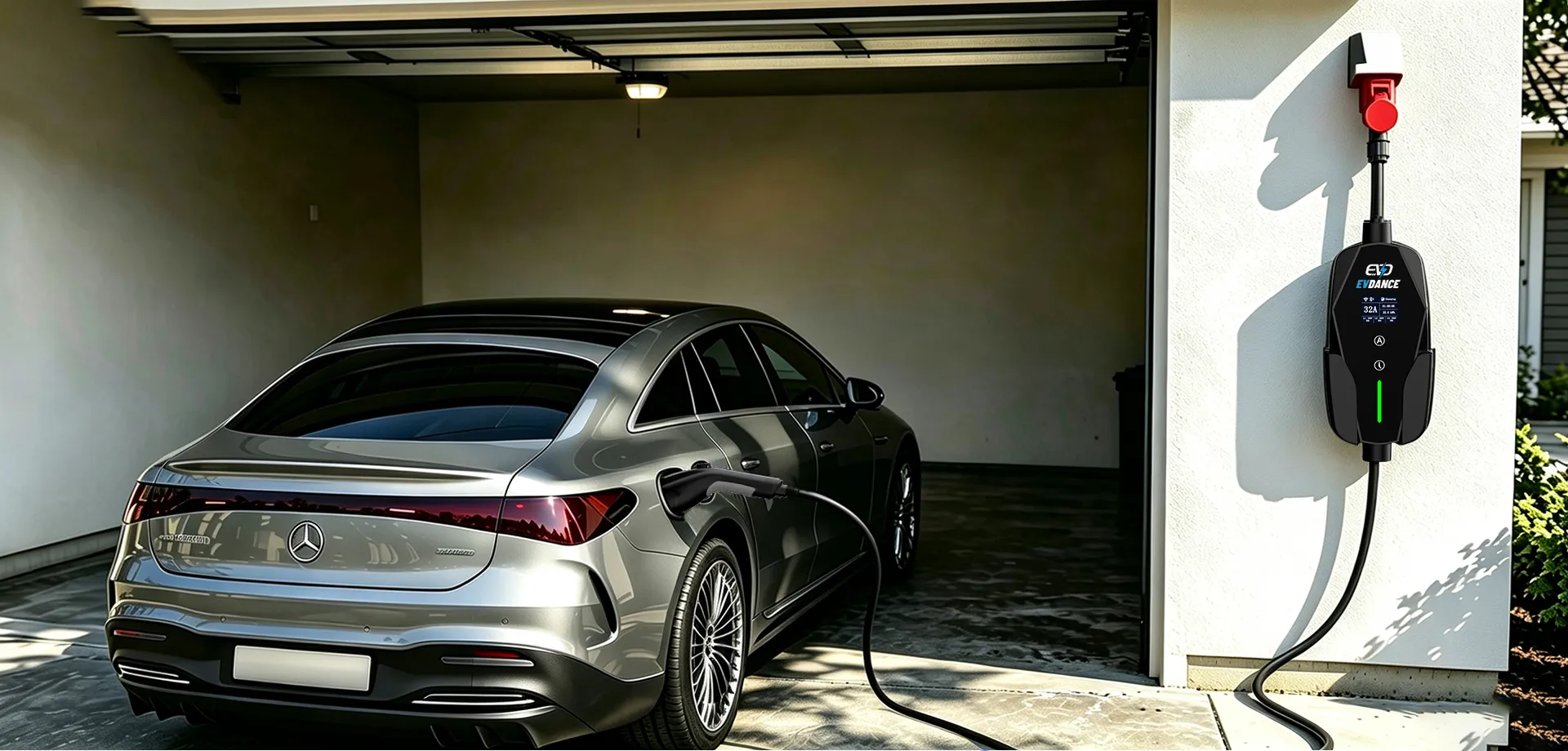
Selling With EVDANCE
EVDANCE is a Shenzhen manufacturer founded in 2011, exporting to 30+ countries, offering private label from 100 units and a 3-year standard warranty. Distributors start through the distributor program, brand-led sellers through the OEM and private-label program, and any build question — market versions, spares lists, demo units — through contact us.
Frequently Asked Questions
How much stock do I need to start?
There is no standard figure, and this article does not invent one. Size the first order from your installer capacity, demo plan and the replenishment route agreed with your supplier — stock you cannot install or service is a liability.
Do I need my own technicians?
Not necessarily. Coverage can be your own staff where sites cluster and contracted installers elsewhere. What is not optional is the published process behind both — one contact point, one fault format, one record per case.
Can I sell chargers under my own brand?
EVDANCE offers private label from 100 units. What your label may claim follows the product’s own documentation and certifications — agree the wording with the supplier in writing before printing.
Related Reading
- How Distributors Can Build a Profitable EV Charger Product Line
- EV Charger Spare Parts and RMA Process for Distributors
- EV Charger Warranty and After-Sales Terms: A Distributor’s Checklist
- How to Find EV Charger Distributors and Installers to Sell To

