
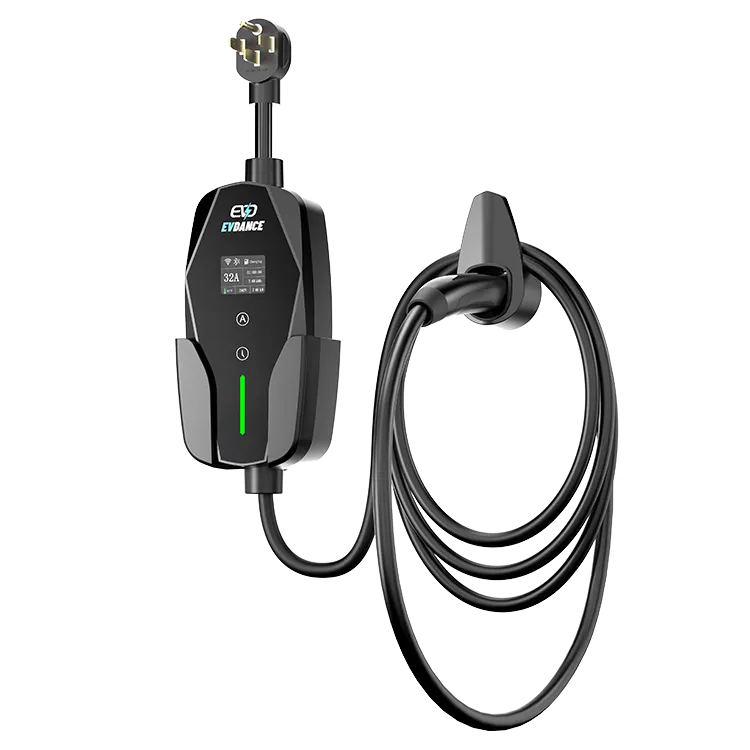
TPU stands for thermoplastic polyurethane, a family of elastomers built from alternating hard and soft molecular segments. The soft segments give rubber-like stretch, and the hard segments lock the material together like a plastic, yet it can still be melted and extruded. TPU comes in two main chemistries, polyether and polyester, and in a range of hardness grades. For an EV charging cable, which grade is used matters more than the word “TPU” on a datasheet.
Key Takeaways
- TPU is a thermoplastic elastomer made of hard and soft segments.
- Polyether TPU resists water and microbes; polyester TPU resists oil and abrasion.
- Hardness, stabilizers and flame retardants change how a TPU jacket performs.
- Specify the TPU family, hardness and certified cable standard in your purchase order.
How TPU Is Built: Hard and Soft Segments
TPU is a block copolymer. Three ingredients react to form long chains:
- A diisocyanate, which forms the rigid “hard segments”.
- A chain extender (a short diol), which links hard segments together.
- A long-chain polyol, which forms the flexible “soft segments”.
At room temperature the hard segments cluster into tiny domains that act like physical cross-links, so the material holds its shape and springs back after bending. When heated, those domains soften and the TPU flows, which is why it can be extruded onto a cable and why scrap can often be reprocessed. Raising the share of hard segments makes a stiffer, harder grade; raising the soft share makes it more flexible.
Polyether vs Polyester TPU
The polyol used for the soft segment splits TPU into two families. Each has strengths that matter for a cable that lives on a driveway.
| Property | Polyether TPU | Polyester TPU |
|---|---|---|
| Resistance to hydrolysis (water, humidity) | Good; preferred for long outdoor exposure | Weaker; can degrade in hot, wet conditions unless stabilized |
| Resistance to microbes and fungi | Good | Weaker |
| Oil, fuel and grease resistance | Moderate | Good |
| Abrasion and tear resistance | Good | Typically higher |
| Flexibility at low temperature | Typically better | Good, grade dependent |
These are general tendencies. Real performance depends on the full compound, including stabilizers, UV absorbers and flame retardants, so always check test data for the finished cable. Our guide to cold-weather charging explains why low-temperature flexibility is a practical concern.
Hardness and Other Grade Choices
TPU hardness is usually given on the Shore A scale, with harder grades moving onto Shore D. Softer grades coil and handle more easily; harder grades resist cuts and crushing better. Cable makers balance this against the jacket thickness required by the cable standard. Other grade choices include:
- Flame-retardant grades for cables that must pass flame tests.
- UV-stabilized grades for chargers stored or used outdoors.
- Matte or gloss finishes and colors, which are cosmetic but often part of a private-label brief.
This is one reason EV charging cables are not all the same, even when two datasheets both say “TPU jacket”.
How to Specify TPU in an EV Cable Order
If you are sourcing chargers or cable assemblies, write the jacket requirements into the purchase specification instead of accepting a single word:
- Jacket family: polyether, polyester or a blend, and why it suits your climate.
- Hardness range and jacket thickness, matched to the certified cable construction.
- The cable standard the finished cable is certified to, for example the IEC 62893 series for EV charging cables in IEC markets, or the relevant UL standard in North America.
- Rated temperature range, plus UV and flame performance where needed.
- Color and finish, with a note that changes must not alter the certified construction.
Connector and plug choices by market are covered in our guide to choosing plug, cable and connector for an OEM charger.
EVDANCE builds portable chargers for daily outdoor handling, such as the EV-ACS4005T 40A NACS portable charger (IP66, 25 or 28 ft cable) and the EV-ACS3210E 32A Type 2 portable charger. Brands can discuss cable color, length and jacket options through our OEM and private-label program, with private label from 100 units.
Frequently Asked Questions
Is TPU a plastic or a rubber?
Both, in a sense. It is a thermoplastic elastomer: it behaves like rubber in use but melts and processes like a plastic.
Which TPU is better for outdoor EV cables?
Polyether grades are often preferred where long exposure to rain and humidity is expected, because they resist hydrolysis. Polyester grades are often chosen for oil and abrasion resistance. The finished cable’s test data is what counts.
Can TPU be recycled?
Because it is thermoplastic, clean production scrap can often be remelted. Recycling a finished cable is harder, because the jacket must be separated from copper and other layers.
Related Reading
- How Long Do EV Charging Cables Last, and Can They Be Repaired?
- Can You Drive Over an EV Charging Cable?
- Can You Leave an EV Charging Cable Outside?

