
The session refuses to start, or stops moments after starting — and that refusal is the system working as designed. A charger delivers power only inside limits the two sides have agreed, so if the car and the charger cannot complete their conversation, no power flows. The plug can fit perfectly while this happens: fit is mechanical, but charging is a conversation first.
Key Takeaways
- No completed conversation, no power — a refused session is the design working, not a fault to force past.
- The pattern is the diagnosis: which cars and which chargers fail tells you which side holds the problem.
- Causes cluster into language mismatch, a damaged signal path, an adapter in between, software state, and the network link.
- No adapter translates between communication families; matching equipment is the only fix for a mismatch.
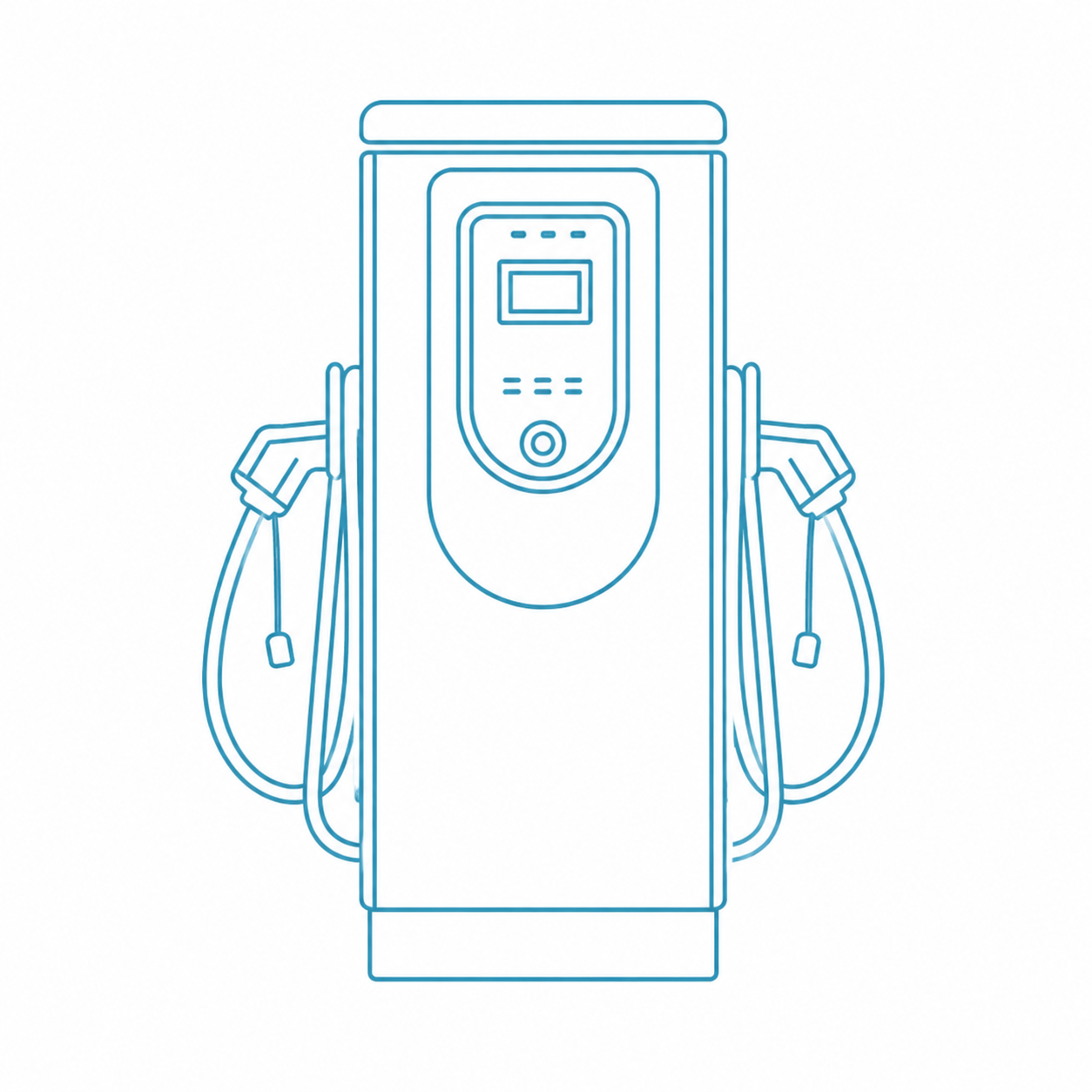
What a Communication Failure Looks Like
The symptoms are few, and their pattern points at the cause:
- The session never starts, with a communication or vehicle error on the screen or in the app.
- The session starts, then stops within the first minute, before real energy has moved.
- It works with one car but not another at the same charger — or one charger fails with every car.
That last pattern is the most useful diagnostic you own. A charger that fails with several cars has the problem on its side; a car that fails at several chargers carries it with it.
The Cause Classes, in Plain Terms
| Cause class | What sits inside it | First check |
|---|---|---|
| Different languages | DC families speak differently — CCS-type chargers use power-line communication, CHAdeMO and GB/T a CAN link — and the two do not understand each other | Connector family first: language follows the family, as our explainer of how J1772 works with CCS sets out |
| A broken path | The thin signal conductors in the cable or connector are worn, dirty or damaged while the power pins still look fine | Try the charger’s other cable or connector, then another charger |
| Something in between | An adapter that passes the connection poorly — or one the car maker has not approved for that car | Remove the adapter from the question: does the session start without it? |
| One side’s software state | The car or charger is in a state its maker did not intend — the fix lives in the maker’s update or service route | The maker documents and notices for your exact model |
| The other conversation | The charger has lost its link to the operator’s platform instead — a different link from the car conversation | The error’s wording: network errors read differently from vehicle errors |
What You Can Do — and What You Cannot
At the charger, the useful moves are simple: unplug fully, reseat the connector until it latches, try again; use the station’s second cable if it has one; move to another charger and note whether the fault follows the car or stays with the post. If you report it, give the operator your car model and the exact error wording — that pairing tells their technicians which conversation broke. The normal start sequence is in how to use a DC fast charger.
What does not exist is a workaround at the plug. No adapter translates between communication families — an adapter changes connector shape only, as our adapter safety guide explains — and a refused handshake cannot be forced. A mismatch is settled by matching equipment, not by bridging.
The Hardware in the Path
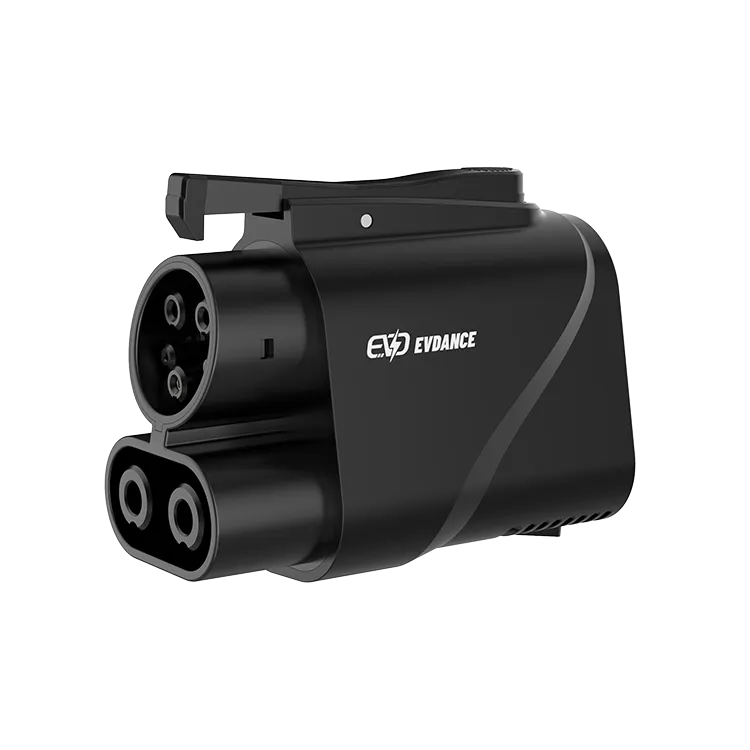
On a DC unit such as the EVDANCE EV-RHDC30K-L compact DC fast charger (22 kW DC, OCPP 1.6J, IP54), the two conversations are separate by design: the exchange with the car runs over the charging cable, while OCPP 1.6J carries the link to the operator’s platform. An adapter in the car-side path, such as the EVDANCE JT08 NACS-to-CCS1 DC adapter (up to 500 A / 1000 V, IP66), passes that conversation through unchanged — which is why it is for use only where the vehicle maker approves it for the exact car and the station is open to that car.
Frequently Asked Questions
The plug fits my car. Why won’t it charge?
Because fit and communication are separate gates. The connector can match mechanically while the conversation fails — different language family, a damaged signal path, or one side in a fault state — and without it the charger releases no power.
It charged fine yesterday. What changed?
Usually something physical or something updated: a cable or connector damaged since, or a software change on either side. Test the pattern — another charger, another car if you can — and check the maker’s notices for your model.
Can the right adapter fix a communication mismatch?
No. Adapters within a DC family change the plug’s shape and pass the family’s conversation through. Nothing at the plug converts one family’s language into another’s.
Related Reading
- Does J1772 Work With CCS? CCS Connectors Explained
- How to Use a DC Fast Charger: Step by Step
- Are EV Charging Adapters Safe?
- How Do Home EV Chargers Work?

