
A factory audit is a buyer’s own structured examination of a manufacturer, carried out before or during sourcing. It answers one question: can this factory make this charger correctly, the same way, every time? It is not product certification and not a shipment inspection.
Key Takeaways
- A factory audit is the buyer’s examination of a maker: can this factory produce this charger consistently?
- Audit, certification and pre-shipment inspection answer three different questions; none substitutes for another.
- An audit is a dated snapshot by a named auditor — it issues no mark and guarantees nothing about later production.
- The report is used, not filed: findings become actions, a decision and a re-audit rhythm.
Three Instruments, Three Different Questions
| Instrument | The question it answers | Who performs it | What it produces |
|---|---|---|---|
| Factory audit | Can this factory produce this product consistently? | The buyer, or a third-party auditor they appoint | A dated report: findings, evidence and agreed actions |
| Product certification and listing | Does this exact model meet its market’s safety rules? | A recognised testing laboratory | A listing and certificate naming the model and its holder |
| Pre-shipment inspection | Is this shipment built, tested and packed as ordered? | An inspector the buyer appoints | An inspection report on that lot, before it ships |
An audit cannot certify a charger; a certificate cannot show whether a factory runs consistently; an inspection of one shipment says nothing about the next. Used properly, they run in sequence: audit the maker, verify the model’s listing, inspect the goods.
What an Audit Examines
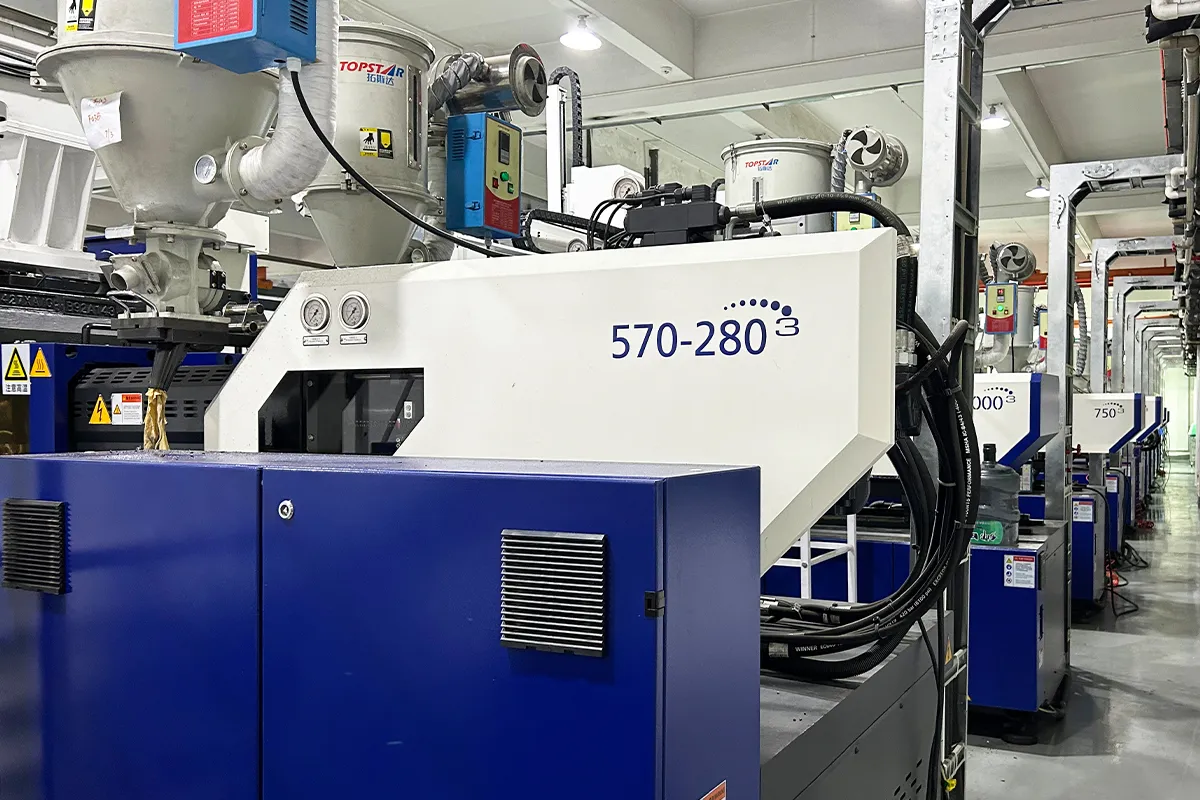
- Identity and capability. The company on the licence is the company at the address, with lines, equipment and people matching your volumes and product.
- The quality system in practice. Incoming inspection, in-process checks, handling of failed units and corrective action — evidenced by records, not a certificate on the wall.
- Testing. The test stations every unit passes through, their records, and whether instruments are calibrated and in date.
- The certification file’s reality. Certificates and test reports naming the exact models seen on the floor — verifiable with the body that issued them, the issuer check that catches borrowed or fake paperwork.
- Traceability and export practice. Serial numbers leading back to component batches and test results; export-grade packing and documents.
The stop-by-stop version is our published factory audit checklist for importers.
What an Audit Cannot Give You
An audit is a snapshot: it records what a named auditor saw, on a stated date. It issues no mark and confers no approval: a passed audit does not make a charger certified or lawful to sell in your market. That is the listing’s job, through a recognised laboratory such as those under the OSHA NRTL program. Nor is it a guarantee about next quarter: a line can be re-tooled, a component substituted, a key engineer lost. The audit feeds a decision and a monitoring rhythm — not a verdict that settles a supplier forever.
Using the Report
- Convert findings into written actions. Each gap gets an owner, a fix and a date — agreed before orders depend on it.
- Decide on the evidence. Proceed, proceed with conditions, or walk away — from the report, not the sales conversation.
- Set the re-audit rhythm. Standing programmes re-audit on a cycle, and again when the model, the line, the ownership or a key component changes.
- File it with the model’s pack. The report belongs beside the certificates and test reports it examined.
Auditing EVDANCE
EVDANCE is a Shenzhen EV charger manufacturer founded in 2011, with its own factory, exports to more than 30 countries, private label from 100 units and a 3-year standard warranty. Put us through the same examination: request the documents for the exact models you are evaluating, verify them with their issuers, and arrange the visit. We will not describe an audit outcome in an article — the report is yours to write. Start through the OEM and private-label programme, the reseller and distributor programme or contact us.
Frequently Asked Questions
Who performs a factory audit, and who pays?
The buyer arranges it — own team, a third-party inspection company, or a desk review before a visit. It is the buyer’s instrument, paid for by the buyer — which is why its findings serve the buyer.
If a factory passes our audit, are its chargers certified?
No. Passing means the buyer was satisfied with the maker’s capability on that date. Certification is separate: a recognised laboratory lists the exact model. A factory can audit well and still sell a model not listed for your market — check both.
How is an audit different from a factory tour or a supplier’s video?
A tour shows what the host chooses; an audit examines what the buyer chooses, against criteria set in advance, and reports in writing. The checklist linked above is the difference: the same floor, walked with questions, not a script.
Related Reading
- EV Charger Factory Audit Checklist for Importers
- Pre-Shipment Inspection and AQL Sampling for EV Charger Orders
- EV Charger Certifications Explained: CE, UKCA, UL, ETL, CB and What Buyers Should Ask For

