
Every car loses value as it ages, and there is no single depreciation rate for EVs — it varies by model, mileage and market. What is different on an electric car is the battery. Its demonstrated health, and the warranty still standing behind it, decide more of the used price than any other single item, because they are the part a buyer cannot judge from the outside.
Key Takeaways
- There is no universal EV depreciation rate; model, mileage and market decide it.
- The EV-specific factor is the battery: demonstrated health and remaining warranty.
- Documented health evidence is worth money, because it removes the buyer’s uncertainty.
- Depreciation is the buyer’s side of the story — it is how an EV gets cheaper to own.
The Reasons Every Car Loses Value
Most of an EV’s depreciation is the ordinary kind it shares with any car:
- Age and mileage. Older cars with more miles are worth less, whatever powers them.
- Condition. Body damage, worn interiors and missing service history all price in.
- Newer models. When a maker launches an improved version, the older one is compared against it on the used market.
- Supply and demand. Local prices move with how many similar cars are listed and how many buyers want them.

The Battery Layer Petrol Cars Do Not Have
A petrol car’s expensive wear parts can be inspected, and a worn engine announces itself. A battery pack is a sealed box: two identical-looking EVs can differ widely in how much capacity the pack still holds. That uncertainty is what buyers discount for, and it is why evidence moves the price.
The wear itself is gradual, as our explainer on whether an EV battery degrades over time sets out. FuelEconomy.gov puts expected battery life at 12 to 15 years in moderate climates and 8 to 12 years in severe ones — so on most used EVs the pack has years of service left, and a documented health check can prove it. Our guide to checking EV battery health shows what to read. The remaining battery warranty matters for the same reason: it is the maker’s own promise standing behind the part the buyer cannot see.
What a Buyer Can Actually Check
| Factor | What to check |
|---|---|
| Battery health | The car’s own health or state-of-health reading where offered, or a dealer or independent health report. |
| Battery warranty | How much of the maker’s battery warranty remains, and whether it transfers to you. Ask, and read the terms. |
| Range today | The range the car shows on a full charge, compared with what it offered when new. |
| Charging history | How the car was charged — mostly home charging, or heavy fast-charging use. A fair question for the seller. |
| Home charging | Whether a home charger is included in the sale, which saves the next owner buying one. |
The Other Side: Depreciation Is How EVs Get Cheaper to Buy
Whether new EV prices will fall is a forecast, and nobody can source it — our article on whether EV charging prices will come down makes the same point for charging. The certain version of “cheaper” is the used market: the first owner absorbs the steepest early loss, and the second owner buys the car at the depreciated price while its running costs stay low — home charging at the US average residential price of 18.31 cents per kWh is the core of why charging an electric car is cheaper than gas. Before you buy, check which incentives apply where you live in the DSIRE database, since used-EV incentives vary by state and change over time.
Charging a Used EV at Home
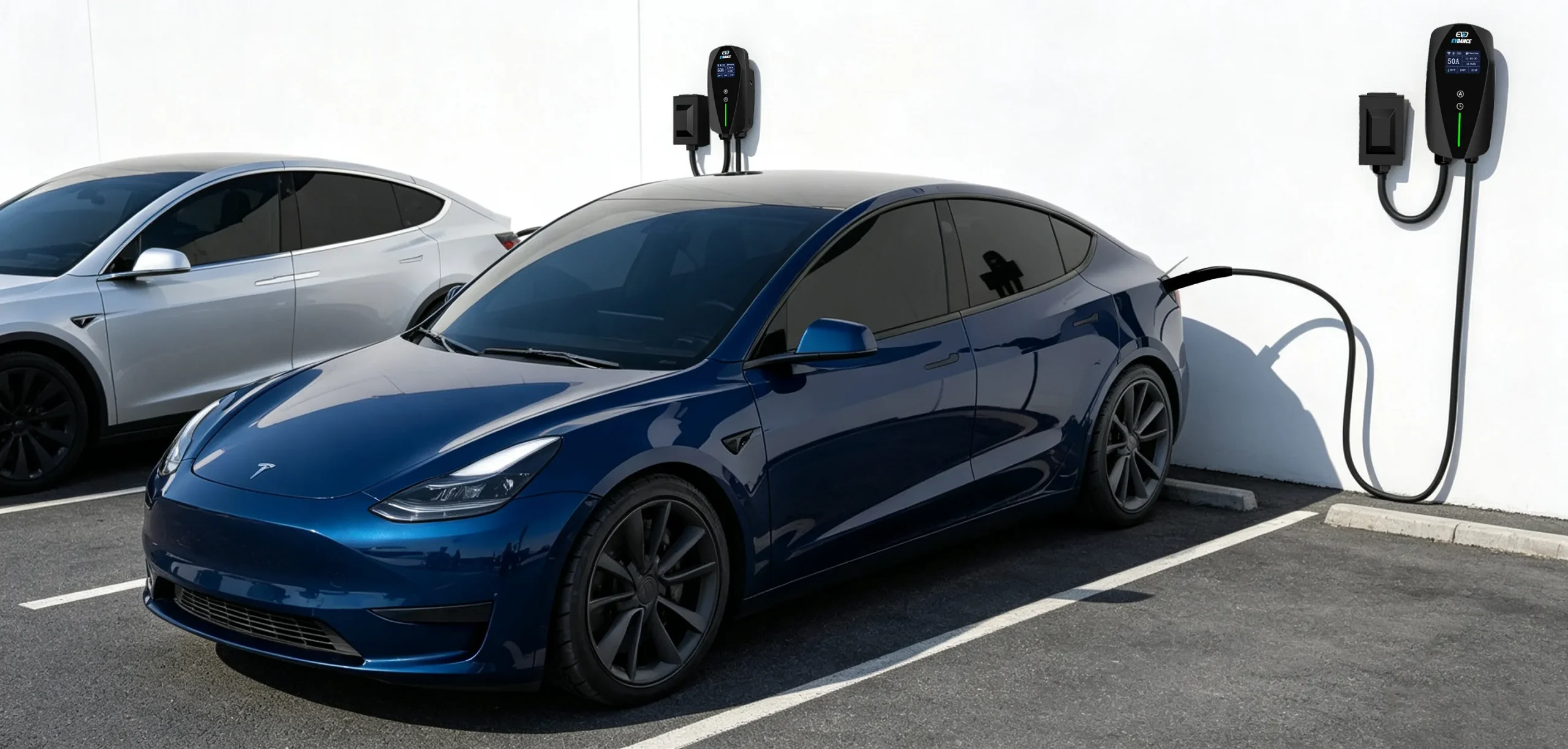
A used EV still needs a home charging plan. Most used EVs on the road use the J1772 connector, and a portable unit such as the EVDANCE EV-AC04001U 40A J1772 portable charger (9.6 kW, NEMA 14-50P, IP66) covers home and travel charging without an installation project. The full range is on our products page.
Frequently Asked Questions
Do EVs lose value faster than petrol cars?
There is no single rate that holds across models and markets, and quoted averages hide wide differences between individual cars. Judge the car in front of you: battery evidence, warranty remaining, mileage and condition.
Does a worn battery make an EV worthless?
No. Degradation is gradual, and a car whose remaining range still fits short daily use can be priced for that use. What hurts a price is unknown health; a documented health check turns a guess into a number.
What should I keep to protect my EV’s resale value?
Service records, the battery warranty documents, any battery health evidence, and the charging equipment the car came with. Together they answer the questions a careful buyer will ask.
Related Reading
- How to Check EV Battery Health
- Does an EV Battery Degrade Over Time?
- Is Charging an Electric Car Cheaper Than Gas?
- Will EV Charging Prices Come Down?

