
Usually, your card was declined before any charging happened — at the authorisation step, not at the till. A public charger asks your bank to approve a temporary hold before it delivers energy, and if the bank refuses, the session never starts. The charger rarely learns why: banks return a simple no. The usual causes are a hold larger than drivers expect, a bank fraud check, or an expired card still saved in the app.
Key Takeaways
- A decline happens at the authorisation step, before charging — the bank refused the hold request.
- Common causes: a hold larger than your available balance, a fraud check, a stale card in the app, or a restricted fleet card.
- A second card resolves most declines; only your bank can see the real reason.
- NEVI-funded corridor stations must accept contactless payment with no membership, so a bank card is meant to suffice.
The Step Where It Fails
A charging session reverses the order most drivers expect: the station first proves your payment method works, and only then unlocks the connector. When that step fails, nothing has been bought — why a decline feels instant and the message is so vague.
| Step | What happens | If it fails |
|---|---|---|
| 1. You tap, insert or start in the app | The station identifies your payment method | Card unreadable — try tap, or a second card |
| 2. The station requests authorisation | Your bank is asked to approve a temporary hold | The decline happens here — the session never starts |
| 3. Charging runs | The meter records energy and time | A different problem: payment was accepted, so a stoppage now is equipment |
| 4. You stop the session | The real total replaces the hold | A lingering pending amount is the hold clearing, not a second charge |
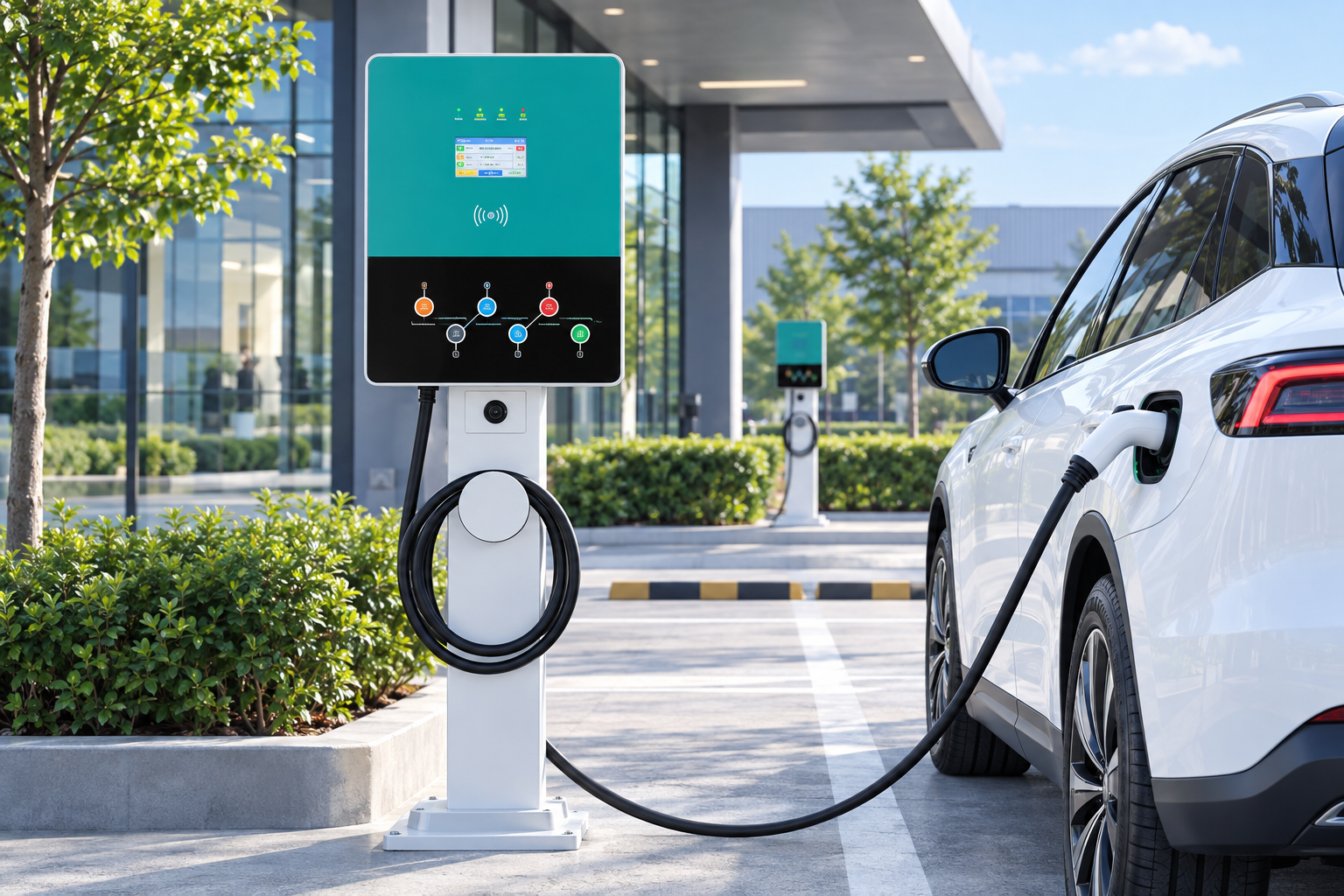
The Usual Reasons a Bank Says No
- The hold is bigger than the charge will be. Stations authorise a round amount up front to cover whatever the session might cost. If your available balance is below that hold — not below the real price — the bank refuses. This is the most common reason a card that works elsewhere fails at a charger.
- A fraud check tripped. A first-ever charging transaction, at an unusual hour or far from your normal spending, can match the pattern banks screen for. The card is fine; the pattern was new.
- The card in the app is stale. If your bank replaced your card, the old number saved in the app is dead even though your physical card works. App sessions decline while contactless succeeds.
- The card was never meant for this. Fuel-only fleet cards are declined at chargers by design — their rules exclude charging networks.
Only your bank can see which reason applied — the operator’s support line cannot. If declines repeat across networks, one call to the bank usually clears it.
What to Try, in Order
- Try a second card or a phone wallet. A different card is a different authorisation; this resolves most declines.
- Check the card saved in the app — expiry and number, especially after a reissue.
- Keep a backup route. An RFID card linked to your account skips the bank-card step at the reader — see what an RFID card for EV charging is.
- Know the floor on corridor trips. Federally funded NEVI corridor stations in the US must accept contactless payment with no membership required, so a plain bank card is meant to be enough there — as whether charging stations take credit cards sets out.
- If the same card declines everywhere, call the bank and tell them you charge publicly; a note on the account can stop the fraud screen tripping.
The Operator’s Side of the Reader
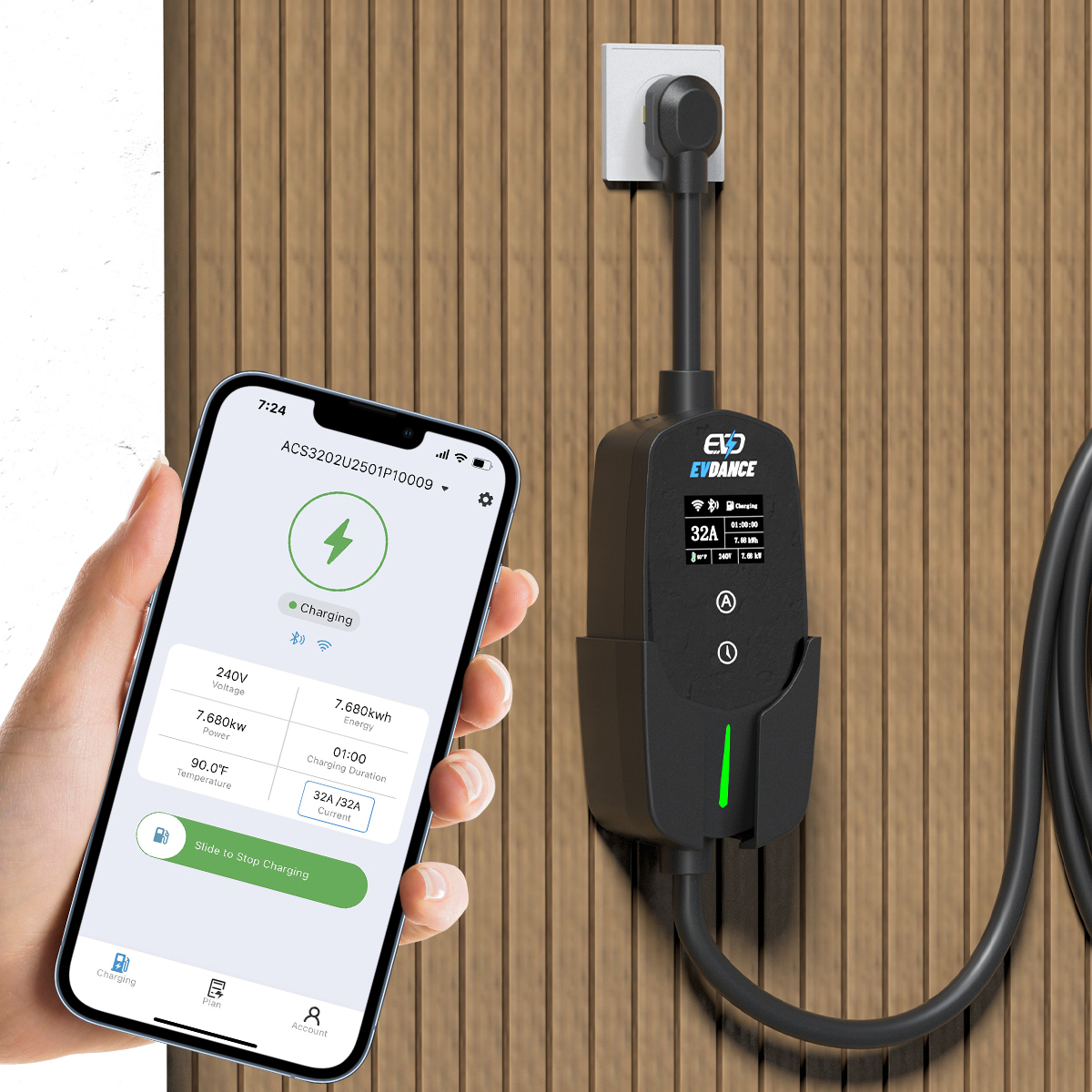
Operators see declines as lost sessions, so payment hardware is part of the station specification. The EVDANCE EV-AC03201T dual-connector AC station runs OCPP 1.6J with RFID, so sessions can be billed through a platform and regular users can bypass the card reader. More accepted routes means fewer authorisations resting on one bank’s answer.
Frequently Asked Questions
Was I charged when my card was declined?
No completed charge happens on a decline — the session never started. You may briefly see a pending authorisation in your banking app; pending holds clear on the bank’s timetable.
The charger took my payment but will not start. Is that a decline?
No — that is the opposite failure. Your authorisation succeeded and something after it broke: the connector, the station or its network. A decline stops everything before charging; an accepted payment with no charging is an operator problem to report, not a bank problem.
Does a decline mean my card is blocked?
Usually not. Most declines are specific to that one authorisation — the amount, the pattern or the saved details — and the same card keeps working elsewhere. If it declines at several chargers and in shops too, the bank needs to look at the account.
Related Reading
- Do EV Charging Stations Take Credit Cards?
- What Is an RFID Card for EV Charging?
- What Is the Best RFID Card for EV Charging? How to Choose

