
The lowest unit price is not the same as the best deal. An order also carries cost in its payment structure, its specification, its packaging and branding scope, the spares bundled with it, its delivery window and its inspection terms — lines often easier for a factory to move than the headline price. The best price is reached by negotiating the whole deal, lever by lever, not by pressing one number.
Key Takeaways
- The best price is a property of the whole deal, not of the unit line alone.
- Six levers: payment structure, specification trades, packaging and branding scope, spares, schedule flexibility, inspection terms.
- Levers move because they remove cost or risk on one side without adding it on the other.
- Certification scope, protections, change control and inspection never go on the table.
Why Levers Move When the Price Does Not
A factory’s unit price rests on identifiable parts and processes — our breakdown of what drives the unit cost of an OEM charger shows the stack. A pure price cut comes straight out of the margin on that stack. A lever works differently: it removes a cost or a risk on one side without adding the same on the other. Removing work they would otherwise price in — a variant, a set-up, a rushed slot — is a concession they can afford. Ask explicitly; factories rarely volunteer alternatives to a discount.

Six Levers Beyond the Unit Price
| Lever | What you ask for | Why it can move |
|---|---|---|
| Payment structure | Payments staged against milestones — deposit, passed inspection, shipping documents | Timing allocates risk for both sides; lower financing risk is worth money to the factory |
| Specification trades | The standard configuration, with options you will not use dropped | Variants and changeovers are factory cost; a standard build avoids them |
| Packaging and branding scope | Standard cartons for early orders, retail packaging phased in, artwork supplied print-ready by you | Set-up work you remove is work they no longer price |
| Spares in the order | A defined number of spare units or parts produced in the same run | Same-run spares avoid a separate small shipment later and shorten warranty claims |
| Schedule flexibility | A delivery window, or split shipments, instead of one fixed date | A flexible order slots between firm ones — ask whether a window is easier to grant than a discount |
| Inspection terms | The inspection stage, who inspects, and what happens on a failure, written into the order | Agreed terms remove dispute risk both sides otherwise price in silently |
Two cautions. The payment methods themselves are set out in our guide to payment terms for OEM EV charger orders; negotiate the structure there. And no lever carries a standard saving — anyone quoting a typical percentage is inventing one. Each lever is worth what the factories’ answers say.
What Never Goes on the Table
- Certification scope for your market. A cheaper build that cannot legally be sold is not a saving; the certificate must cover the exact configuration.
- The protections the product is sold with. Trading one away turns a discount into a liability.
- Change control. No key component changes without written approval — a negotiated price for one product must not quietly become another.
- Inspection before final payment. The inspection makes the other levers safe — see our guide to pre-shipment inspection and AQL sampling.
Negotiating a Complete Deal With EVDANCE
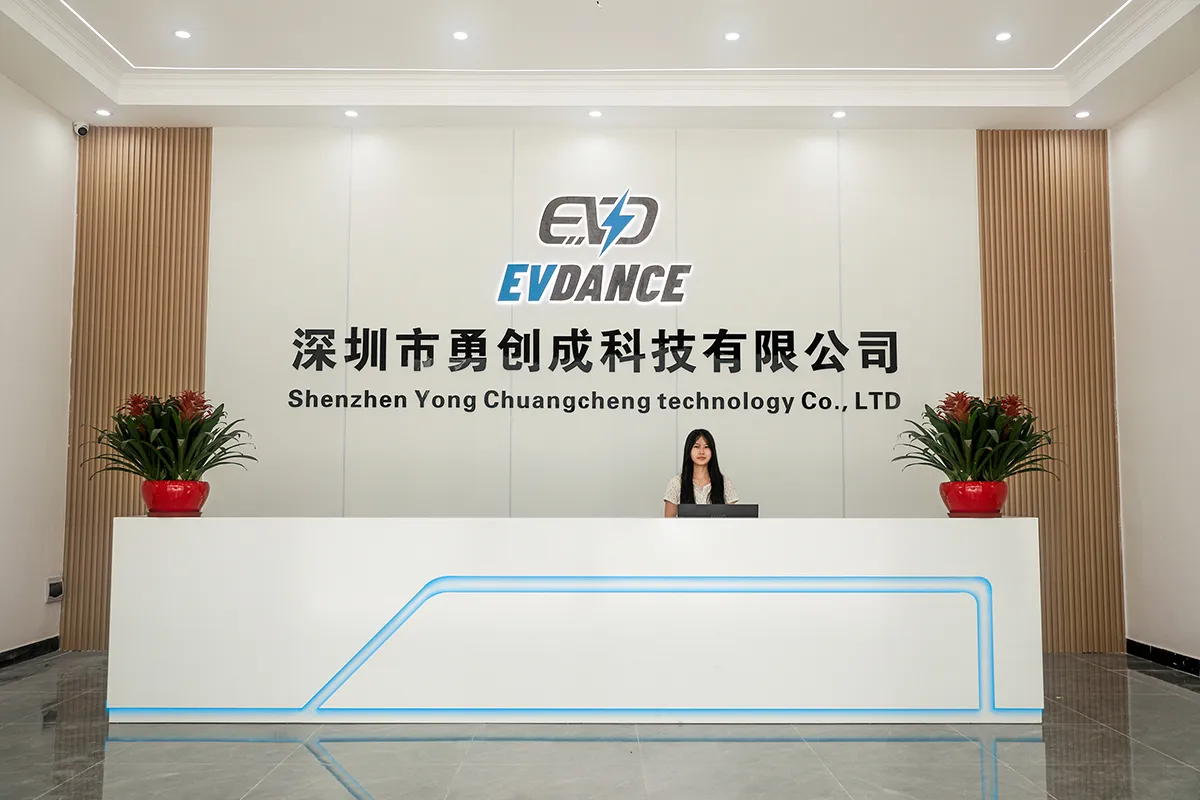
EVDANCE is a Shenzhen EV charger manufacturer founded in 2011, exporting to more than 30 countries, with private label from 100 units and a 3-year standard warranty. Send the whole deal you want — model, quantity, packaging scope, schedule window, terms — through the contact page, and negotiate it as one package, not a unit price with everything else at default. Distributors can start from the resellers and distributors program.
Frequently Asked Questions
Do levers really save money, or just move it around?
Both happen. A lever that removes work or risk — a variant dropped, a dispute prevented, a spare already in your warehouse — removes real cost. One that only shifts cost to a line you were not watching is scope games; comparing complete deals on the same scope tells them apart.
Should I negotiate before or after receiving quotes?
After. Get comparable quotes against one frozen specification and scope first, so you know each factory’s complete deal. Then negotiate levers on the complete quotes — against an incomplete quote, you only move the exclusions around.
What if a factory will not move on anything?
Then their complete quote is their answer — and may still be the best deal on the table. Compare complete deals across factories (our checklist for choosing a portable EV charger supplier covers what else to weigh) rather than assuming a firmer negotiator elsewhere means a better order.
Related Reading
- Payment Terms for OEM EV Charger Orders: T/T, L/C and Deposits
- What Drives the Unit Cost of an OEM EV Charger
- Pre-Shipment Inspection and AQL Sampling for EV Charger Orders
- EV Charger MOQ Explained: What Sets Minimum Order Quantities

