
A distribution business in Mauritius is designed around one fact of geography: the whole market is reachable from a single hub, so the winning design is narrow and deep — one hub, a short product line, spares held deep enough to fix first time, and partnerships in the two buyer classes that anchor island demand, hospitality sites and fleets. Breadth is the trap. Every extra model splits the spares, the training and the cash that make the service promise keepable.
Key Takeaways
- One hub, a narrow line and deep spares beat breadth in a small island market.
- Hospitality and fleets are the anchor classes; each buys an outcome, not a catalogue.
- Your service promise is funded by spares and a bench — the manufacturer’s warranty sits behind it.
- Price from your own landed-cost stack; there is no local list price to copy.
One Hub, Run Deep
| Element | One-hub design | Why it wins on an island |
|---|---|---|
| Stock | Few models, more units of each | Turns faster; a demo and a loaner unit are always available |
| Spares | First-fix parts for every stocked model, held at the hub | The next shipment is a sailing away — a missing board means a dead charger |
| Bench | One test-and-repair bench at the hub | Diagnosis stays local; only true warranty cases travel back |
| Records | A serial-level install and failure log from day one | Your own data, not a guess, sizes the next spares order |
The bench and the spares shelf are one system: a fault is diagnosed locally, fixed from stock where the fault is a stocked part, and escalated only when it is not. Our guide to spare parts and the RMA process for distributors sets out the paperwork that keeps that loop auditable.

The Two Anchor Buyer Classes
Hospitality. Hotels and resorts install charging as a guest service. What they buy is uptime, tidy appearance and managed access — a station whose listing states RFID and OCPP 1.6J, such as the EV-AC03201T dual-connector station, fits that brief on paper; your service record is what proves it in the meeting. Sell the outcome: guests charge overnight, staff control access, faults are fixed from your shelf.
Fleets. A fleet buyer runs vehicles on a schedule and charges where they park. What they buy is readiness — vehicles charged by morning — and a service contract whose response process is written down before the first fault, not improvised after it.
Neither class buys a catalogue. Each buys an outcome your one hub can evidence: installed base, failure log, spares on the shelf.
Service That Fits an Island
Distance is not your constraint; parts are. A single response process can honestly cover the whole island, provided the spares depth behind it is real. Build it in this order: spares and bench first, partner electricians second — trained on the models you stock, used for installation overflow and first attendance — and volume last. The manufacturer’s warranty and your local promise are two different things: EVDANCE states a standard 3-year warranty, and what your customer experiences is your response, funded by your spares and your bench. Our warranty and after-sales checklist separates the two cleanly.
Starting the Mauritius Business With EVDANCE
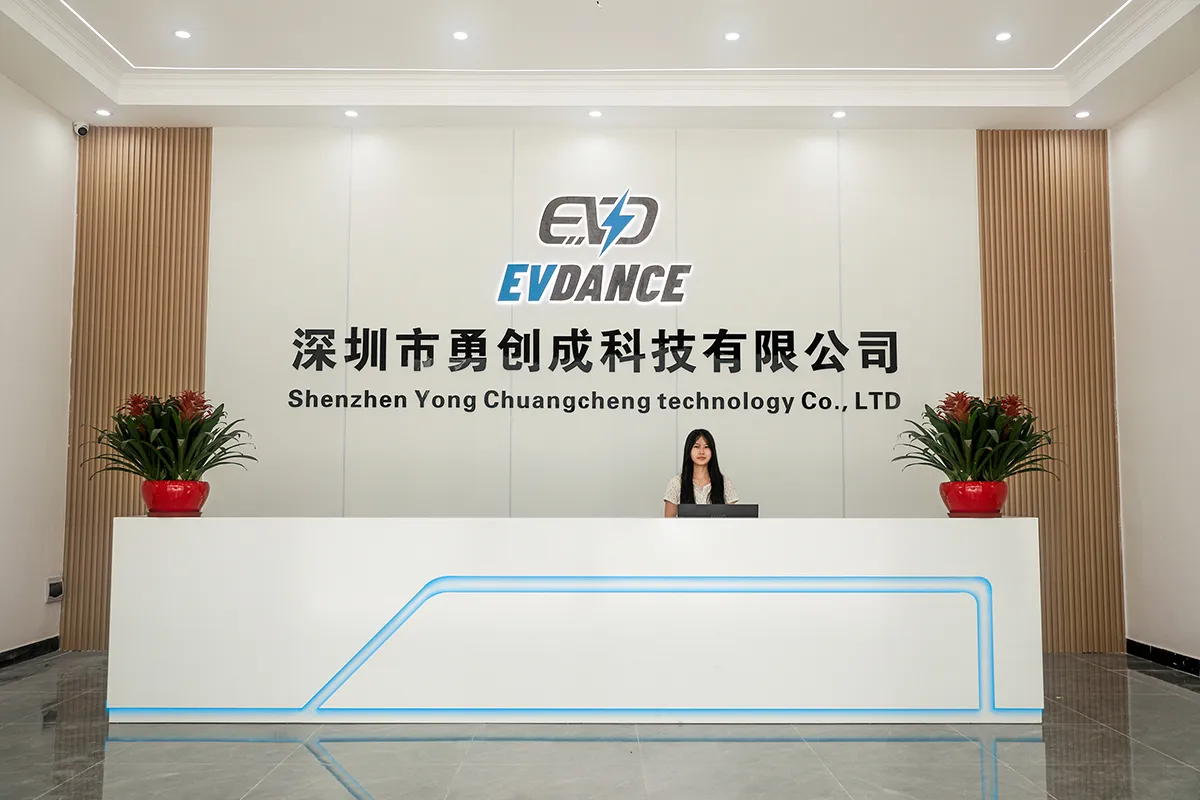
EVDANCE is a Shenzhen manufacturer founded in 2011 and exports to more than 30 countries. For a small island market the relevant facts are the standard 3-year warranty behind your service promise and private label from 100 units, which lets a distributor build a local brand without factory-scale volumes. Fix the narrow line first — the models your two anchor classes actually buy — and start via the reseller and distributor program or contact us. How a line stays profitable as it grows is covered in our guide to building a profitable distributor product line.
Frequently Asked Questions
How many models should a Mauritian distributor stock?
As few as cover your anchor classes well. Each added model dilutes spares depth, installer training and demo stock — the three things your service promise is made of. Add a model when a buyer class demands it, not when a catalogue offers it.
Do I need more than one location?
No. One hub can serve the island; coverage is a process — partner installers plus real spares depth — not a second premises. Spend the rent on parts instead.
How do I price for the Mauritius market?
From your own landed cost, shipment by shipment: unit, freight, conformity, clearance and installation, each confirmed by the partner who owns that line. There is no published local price to copy — build the stack and price from it.
Related Reading
- EV Charger Spare Parts and RMA Process for Distributors
- EV Charger Warranty and After-Sales Terms: A Distributor’s Checklist
- How Distributors Can Build a Profitable EV Charger Product Line
- How to Find EV Charger Distributors and Installers to Sell To

