
Starting an EV charger distribution business in Portugal works as an anchor-and-extend build: run two anchor cities first — Lisbon and Porto — each a complete small operation: installer partner, demo unit, spares shelf. Coastal and holiday-area coverage is added later, partner-served, only when your own order book shows repeat demand from that area. No market-size figure sizes any of this; your anchors are justified by partners who pass your checks and orders actually taken.
Key Takeaways
- Open Lisbon and Porto as complete anchors — partner, demo unit, spares shelf, one fault route — before extending anywhere.
- Coastal and holiday coverage is earned by repeat orders in your own log, never by market commentary.
- Spares travel outward; heavy stock stays at the anchors.
- Subsidies are dated confirmations, not the base plan, as of October 2026.
Two Anchors, Run as Complete Operations
An anchor is not a pin on a map; it is a working unit. Before either anchor counts as open, it has:
- A signed installer partner whose credentials are confirmed locally, in writing, for the installations they will do on your sites — never assumed from a trade listing.
- A working demo unit at the partner’s premises, so a customer can see the charger, handle the cable and watch a session start.
- A first-fix spares shelf — the fast-moving parts for the models that anchor sells, sized from its own installed base.
- One fault route: a single contact path from site to fixed charger, written down, that customer, partner and you all follow.
The two anchors do different work. The Lisbon anchor usually carries your office conversations — fleets, workplaces, property managers. The Porto anchor is earned the same way, by partner evidence in the north, not by map symmetry: if your proven partner and first northern orders sit elsewhere, the anchor follows them. What matters is that each anchor can sell, install and fix without borrowing people or parts from the other. Our guide to finding distributors and installers to sell to covers the search.
Extend Only on Your Own Order Evidence
| Coverage layer | What runs there | Evidence that earns the next step |
|---|---|---|
| Anchor cities | Your stock, demo units, partner installers, spares shelf | Repeat orders handled inside the response times you promised |
| Coastal and holiday areas | Partner-served sales and installation; stock stays at the anchors | Orders from the area repeat across separate buying cycles, in your log |
| Wider interior coverage | Contracted installers per area; spares runs from the nearest anchor | A partner passes the same checks the anchors passed |
| Local stock point | Regional shelf of fast-moving models and spares | Booked installations anchor stock repeatedly failed to serve in time |
The discipline is that extension is a conclusion, not a hope: each layer opens because the previous layer produced records — orders, fault logs, response times — that justify it. Holiday-area demand is claimed by every market commentary and proven by none; your log is the only version that should move stock.
Spares Travel; Heavy Stock Stays Central
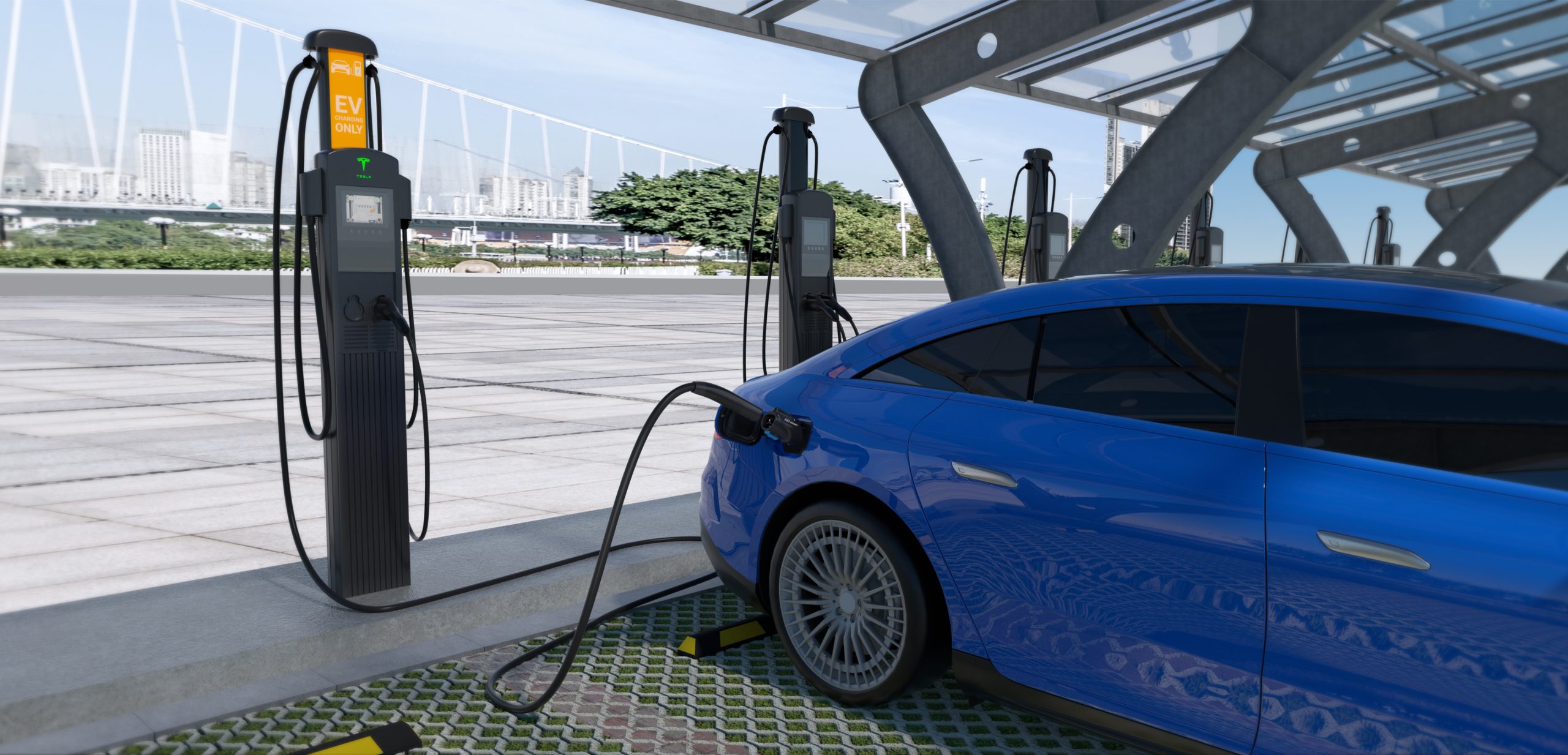
Keep complete chargers at the anchors and push the small, urgent things outward: partner-held spares kits, agreed in writing. A fault fixed from a partner’s kit beats a warehouse promise two cities away.
The terms behind the promise are in our warranty and after-sales checklist; the spare parts and RMA process is its daily half. One caution: subsidy programmes change. As of October 2026, confirm any programme with the responsible authority and treat supported demand as upside; the anchor plan runs on your own orders either way.
Building With EVDANCE
EVDANCE is a Shenzhen manufacturer founded in 2011, exports to more than 30 countries, offers private label from 100 units, with a standard 3-year warranty. Portuguese distributors start through the reseller and distributor program; sellers building their own label use the OEM and private-label program. How a profitable line is sequenced is covered in our guide to building a profitable distributor product line; bring your anchor plan to contact us.
Frequently Asked Questions
Why two anchors instead of one strong base?
Because the second anchor is a service decision: a partner, demo unit and spares shelf in the north shorten every fault route there. It is only an anchor once a partner passes your checks — until then it is coverage served from the first.
When do coastal and holiday areas get their own stock?
When your own records say so: repeat orders from the area across separate buying cycles, and booked installations your anchor stock repeatedly failed to serve in time. Commentary about an area’s potential moves no stock.
Do I need my own installation team?
Not at anchor stage: contracted partners, credentials confirmed in writing, one fault route — that is the coverage. Your own team comes later, justified by fault volume partners cannot absorb.
Related Reading
- How Distributors Can Build a Profitable EV Charger Product Line
- How to Find EV Charger Distributors and Installers to Sell To
- EV Charger Warranty and After-Sales Terms: A Distributor’s Checklist

