
Before choosing a charger supplier, an installer makes a prior choice: which route the chargers travel to reach the van. The same brand can arrive through a local electrical wholesaler, the brand’s in-country distributor, or a trade account direct with the manufacturer — and stock, support and warranty sit in different hands on each route. The right answer depends on your job mix, and many installers split routes by product line.
Key Takeaways
- Supplier choice starts with route choice: wholesaler, in-country distributor, or direct with the manufacturer.
- Each route puts stock, support and warranty first response in different hands.
- On the direct route, importer duties and buffer stock move onto the installer’s side of the ledger.
- Splitting routes by product line is normal; keep each unit’s purchase record so faults route correctly.

The Three Routes at a Glance
| Route | Stock | Support | Warranty first response |
|---|---|---|---|
| Local electrical wholesaler | Branch stock of the lines it carries; standard models can be same-day, the long tail is ordered in | Branch staff first, with escalation to the brand behind them | The counter you bought from takes the failed unit back and runs the claim upstream for you |
| The brand’s in-country distributor | The brand’s range stocked in your market, including slower lines a branch would not hold | Product-trained staff who handle that brand every day | The distributor is your counterparty — and, as importer, the party standing behind the product’s compliance in your market |
| Direct with the manufacturer | Factory stock, shipped per order; nothing sits in your market unless you stock it | The factory’s own engineers and support desk, across its working hours and languages | Your supply agreement with the factory. As importer of record, the compliance position is yours to close |
None of the three is the “installer route” in general. The wholesaler’s margin buys local stock and a returns counter; the distributor’s buys range depth and an in-market counterparty; the direct route removes both and hands you their jobs — importing, buffer stock, and first response.
Match the Route to the Work
- Same-week domestic jobs and breakdown replacements. Local stock is the product: a branch or a distributor’s in-market warehouse decides whether the job finishes this week.
- Planned commercial work. Deliveries can be scheduled, so range depth and a named support contact matter more than same-day shelves — distributor or direct both fit.
- Volume lines you fit repeatedly. Once a model is your standard fit, a direct account or distributor agreement supplies it as a line, not as one-off purchases.
The Responsibility Questions Each Route Answers Differently
Three responsibilities exist on every charger you fit — the routes only change whose desk they land on. Who is the importer of record, carrying the compliance position for the exact model in your market? When a unit faults on a Friday afternoon, whose phone rings first, and whose shelf does the replacement come off? And when the warranty is claimed, who prepares the evidence and carries the carriage? On the wholesaler and distributor routes, most answers are “the party you bought from”. On the direct route, several are “you”. Our explainer of EV charger certifications sets out the families behind the importer question; UK installers can check a model’s position against the Smart Charge Points Regulations text below.
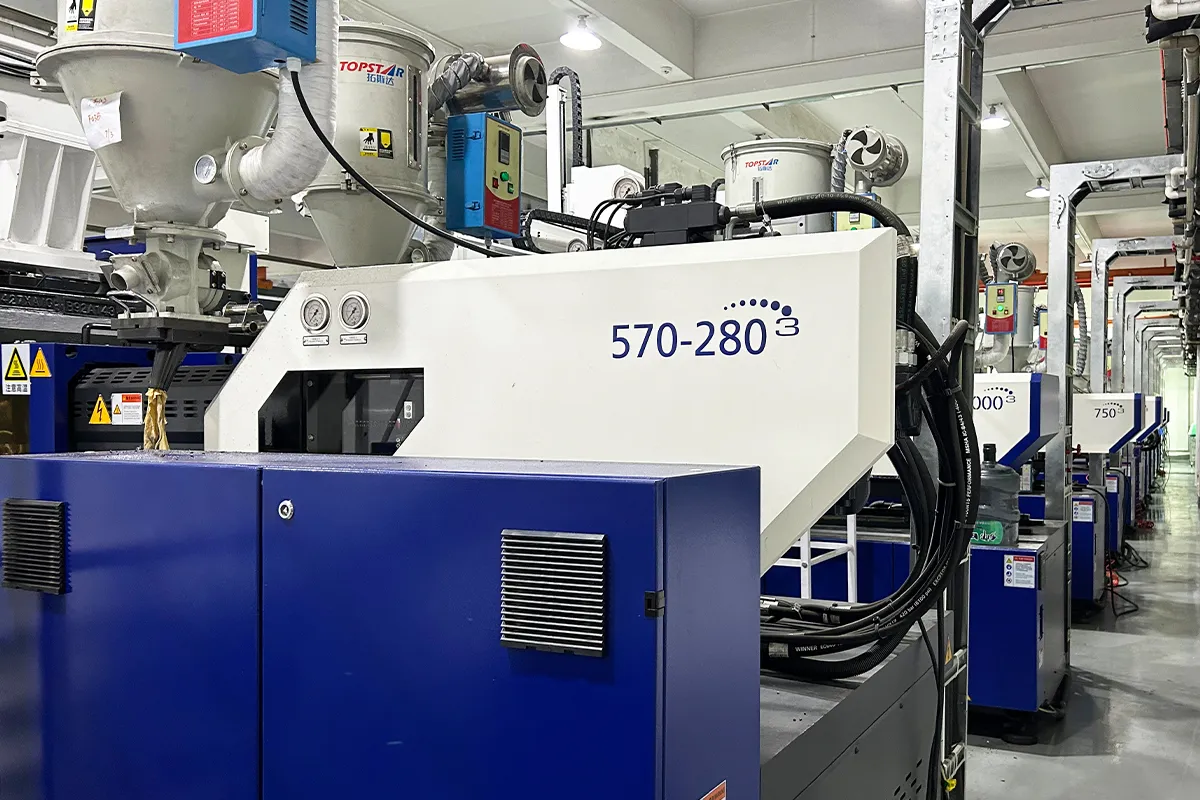
Buying Direct From EVDANCE
EVDANCE is the manufacturer on the third route: a Shenzhen factory founded in 2011, exporting to more than 30 countries, with a 3-year standard warranty. Installers work through our reseller and distributor programme; where an in-country distributor already carries the line, that is the route we will point you to for local stock and first response. A typical installer line is the EV-ACS3210E, a 32A Type 2 portable charger, single-phase at about 7 kW, IP66. Tell us your market and job mix via contact us, and we will confirm which route serves you — even when the honest answer is a distributor.
Frequently Asked Questions
Is buying direct from the manufacturer always the cheapest route?
Per unit, often. Per installed charger, not necessarily: freight, import handling, buffer stock and your time as warranty first response sit on your side of the ledger. Compare the landed cost of each route, not the unit prices.
Can I use more than one route at once?
Yes, and most established installers do — local stock for urgent work, a distributor or direct line for standard fits. Keep each unit’s purchase record with its route, so a fault goes back to the right counter first time.
Who carries the product certification when I import directly?
The importer of record — on the direct route, that is you. Before ordering, confirm the certificate covers the exact model and configuration for your market, and hold the documentation pack yourself. If that is more than your business wants to carry, buy through the in-country distributor instead.
Related Reading
- How to Choose a Portable EV Charger Supplier: A B2B Checklist for Importers
- EV Charger Warranty and After-Sales Terms: A Distributor’s Checklist
- Common EV Charger Faults and How Suppliers Should Handle Them

