
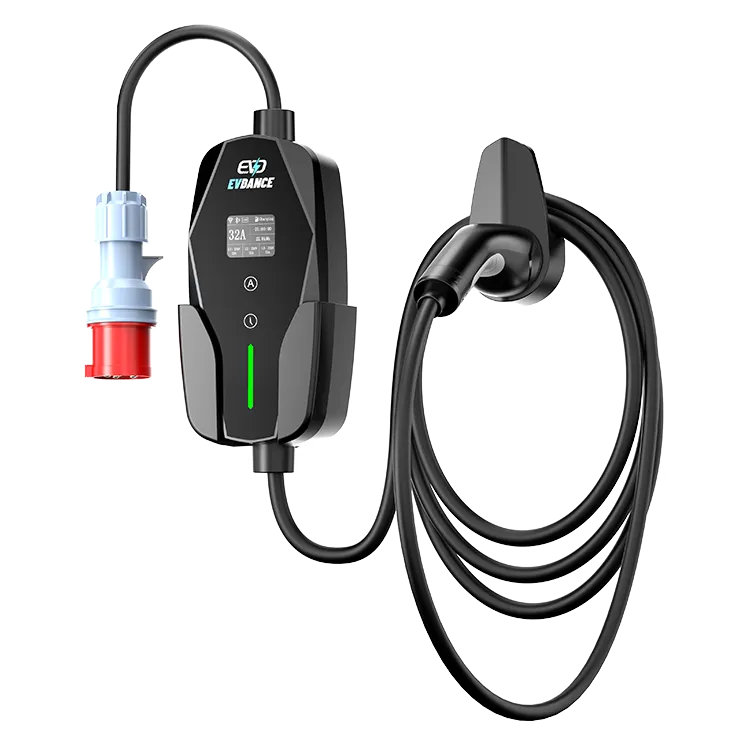
Hire companies should check every portable EV charger between rentals with a short, repeatable routine: visual inspection of the cable, plugs and control box, a function test on a known-good outlet, and a written record. For a 22 kW three-phase unit like the EV-ACS3205PE, the check should also confirm that all three phases deliver current. Any unit that fails goes into quarantine until a competent person repairs or retires it.
Key Takeaways
- Check cable, plugs, box and function between every rental.
- Confirm all three phases on three-phase units.
- Record results and quarantine failed units.
- Give customers clear handover instructions.
Why a Routine Matters
Rental equipment is used by people with different levels of experience, in different places. Cables get driven over, plugs get dropped, and units come back wet. A consistent check protects the next customer, reduces breakdown calls and gives you evidence that equipment was safe when it left. Hire companies should also follow their local rules on periodic inspection and testing of portable electrical equipment.
The Pre-Use Checklist
| Step | What to check | Pass condition |
|---|---|---|
| 1. Cable jacket | Cuts, crushing, exposed inner layers, kinks | Undamaged along full length |
| 2. CEE plug | Cracks, bent pins, heat marks, damaged cap | Clean, straight pins, intact housing |
| 3. Type 2 connector | Pin condition, latch, seal, debris | Clean, dry, latch works |
| 4. Control box | Cracks, loose cable glands, water ingress | Sealed and intact |
| 5. Labels | Rating label and serial number readable | Present and legible |
| 6. Power-on | Display and indicators on a known-good outlet | No fault codes |
| 7. Function test | Short session on a test vehicle or approved tester | Charging starts and stops normally |
| 8. Phase check | Current shown or measured on all three phases | All three phases active |
Recording and Quarantine
- Record serial number, date, inspector, result and any notes for every check.
- Attach a dated “checked” tag to units that pass.
- Put failed units in a separate, labelled quarantine area so they cannot be hired out by mistake.
- Track repeat failures by serial number to spot units that should be retired.
Our guides on how to test an EV charger and testing a tethered charger explain test methods in more detail.
Customer Handover
Give each customer a short instruction card: which outlet to use, how to set current, never to use adapters or extension leads, and who to call with a problem. Ask them to report any damage on return. This also helps identify which hires cause damage. Read the portable charger safety guide.
About the EV-ACS3205PE
The EV-ACS3205PE is a 22 kW three-phase portable charger at 32 A, 380 to 400 V, with a Type 2 connector, CEE five-pin plug, 1.77-inch display and IP66 protection. Its display helps staff confirm normal operation during the function test. Hire companies buying fleets of units can apply through the EVDANCE distributor program.
Frequently Asked Questions
How often should hire chargers be checked?
Before every hire, with periodic formal testing as local rules for portable electrical equipment require.
What is the most common fault on rental chargers?
Physical damage to cables and plugs from being driven over, dropped or stored wet.
Can a damaged cable be taped and reused?
No. Damaged units should be quarantined and repaired by a competent person or retired.
Related Reading
- How to Test an EV Charger
- How to Test a Tethered EV Charger
- Portable EV Charger Safety Guide 2026: NEC Rules, Extension Cords, and What to Avoid
- Common EV Charger Faults and How Suppliers Should Handle Them

