
Campgrounds offer EV charging in two ways. Most start with pitch power: guests charge at their own pitch from the site’s electric hookup, under written rules the park sets. Parks with steady EV traffic add dedicated charging bays near reception, fitted for the purpose. Which fits is a question of season and dwell: a pitch is occupied for nights at a time, so what a campground sells is an overnight charge at Level 2 pace, not speed.
Key Takeaways
- Two models: pitch power under written rules first, dedicated bays when demand is proven.
- The park’s product is the rulebook — permission, named site types, limits and the electricity decision, all in the booking information.
- Run the offer on the season’s rhythm: pre-season electrical checks, in-season notes, close-down isolation.
- Advertise overnight Level 2 pace honestly; the overnight dwell is the campground’s advantage.
The Two Models, Side by Side
| Model | What the park provides | What the park must decide | Suits |
|---|---|---|---|
| Pitch power under rules | The hookup already at the pitch, plus permission in writing | Which site types, what limits, whether electricity is included | Occasional EV guests; the starting point for most parks |
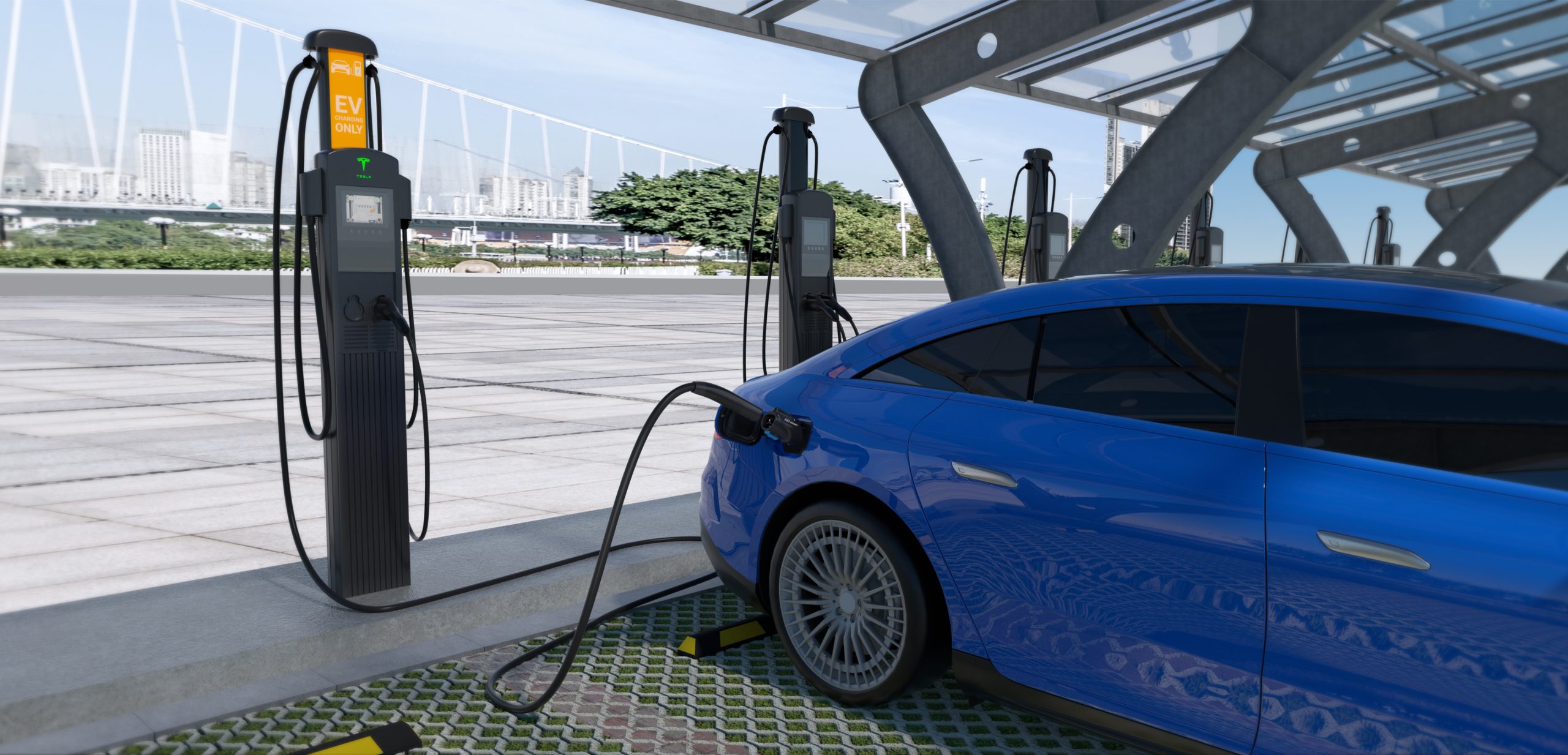
| Dedicated charging bays | Fitted chargers on their own circuit in a shared area | Bay location, access, how sessions are paid for | Regular EV traffic, queues or breaker trips at pitches |
The models are a sequence, not a rivalry. Pitch power costs the park almost nothing to offer and tests real demand across a season; dedicated bays are the investment made when that demand is proven.
Pitch Power Is a Rulebook, Not a Charger
Under the first model the hardware already exists — the guest’s car, the guest’s portable charger, the park’s hookup. What the park adds is the rulebook, and it belongs in the booking information, not in a conversation at the gate:
- Permission, stated plainly. EV charging is allowed, allowed on named site types only, or not offered — guests should read it before they book, in the terms our NEMA 14-50 outlet guide explains.
- Limits set with your electrician. Which pitches may host charging, and any current limit, follow the site’s electrical checks — the park states the limit; guests set their chargers to it, as how portable EV chargers work explains from the driver’s side.
- The electricity question. Included in the pitch fee, a flat add-on, or not sold at all. If sessions are billed from a charger’s own metering, whether those records can be billed from is a local-rules question — settle it before the season.
- Overflow. When pitches cannot take a car, the honest answer is a public station nearby; our guide to where to find EV charging stations is the link to give guests.
Running the Offer Across a Season
A campground is a seasonal machine, and the offer should follow its rhythm. Before opening, the park’s electrician checks pedestals and hookups in the normal pre-season routine — worn outlets and tired breakers are found then, not by a guest at midnight in July. Through the peak, the office keeps rough notes: how many EV guests asked, how many charged, any trips or complaints. Those notes are the evidence for the dedicated-bay decision. At close-down, charging points are isolated with the rest of the site’s services, per the park’s winter routine.
What Guests Plug In — and What a Park Fits
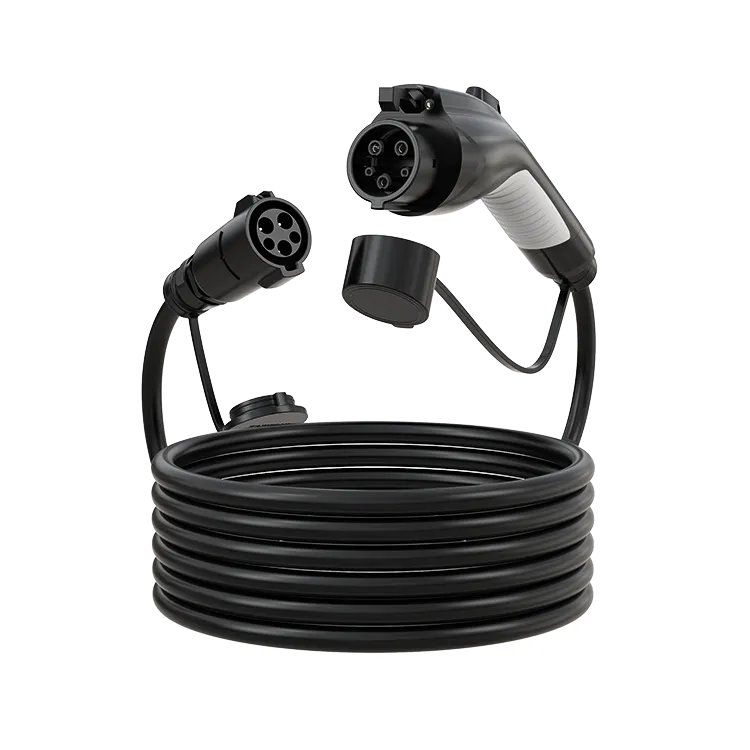
The guest-side unit the rules are written around is a portable like the EV-AC04001U: 40 A J1772, 9.6 kW on a NEMA 14-50P plug, IP66, 25 ft cable. Its stated plug matches the 14-50 receptacle on a 50-amp pitch pedestal — the match is the fact; whether a given pitch may be used for charging is the park’s rule, above. When a park graduates to dedicated bays, a fixed point such as the EV-ACT5006T (up to 48 A hard-wired or NEMA 14-50P, NACS, 25 ft cable, IP65/IP66) goes on its own circuit by reception. Both are in our commercial charging range.
Frequently Asked Questions
Should we let guests charge at any pitch?
Only the pitches your electrician has checked and your rules name. Put the allowed site types in the booking information so the decision is made at booking, not on arrival.
Can we charge extra for the electricity an EV uses?
The park chooses: included in the pitch fee, a flat add-on, or metered sessions. Metered billing from a charger’s records is accepted in some places and not others — confirm the local position before advertising a per-session price.
What speed should we advertise?
Overnight Level 2 pace — roughly 10–20 miles of range per hour (U.S. DOT) — described exactly that way. A guest who arrives low and sleeps eight hours leaves with a useful battery; promising more is how complaints start.
Related Reading
- What Is a NEMA 14-50 Outlet? A Guide for EV Owners
- Do Portable EV Chargers Work? How Speed Depends on the Outlet
- Are Portable EV Chargers Waterproof? IP Ratings Explained for Drivers
- Where to Find EV Charging Stations: Maps, Apps and Tips

