
A fault light on a portable EV charger means a check inside the unit stopped or refused the session — and on a portable, that check reports the whole chain: the socket behind it, the cable, and the car. Its meaning is defined in your model’s manual, not by any universal chart. Record it first, then use the isolation tests below to find which side of the chain is being reported.
Key Takeaways
- A portable’s fault light reports the whole chain — socket, cable, car — not the unit alone.
- Record the exact pattern or wording first; your model’s manual is the only chart that applies.
- Change one variable at a time: known-good socket, different car, different charger.
- A warm or discoloured plug or socket ends the testing — a stop and an electrician, not a retry.
A Portable Has Two Environments, Not One
A fixed wallbox meets one circuit, installed once, so a fault narrows quickly. A portable lives differently:
- The wall side changes everywhere it goes. Socket condition and wiring quality are unknowns at every new location — a worn socket, a missing earth or a loaded shared circuit can all present as a fault at the charger.
- The car side is the second half of the chain. Charger and car exchange signals throughout a session, so a vehicle-side problem can light a fault on the charger.
- The unit itself is the third suspect — a travel-worn cable, a dropped connector, an internal fault.
The light tells you the session was stopped, not which of the three it caught. Locating the side is done by changing one variable at a time.

Read the Light the Right Way
Before testing: photograph the light pattern or the exact display wording, and note when it appeared (at plug-in or mid-session), which socket you used, and which car. Then look the pattern up in the manual for your exact model — another brand’s chart can send you to the wrong suspect entirely. One reset after recording is reasonable; if the same fault returns, stop resetting. A repeating fault is information, and our driver’s checklist for a charger that is not working covers the wider home checks.
The Isolation Tests, in Order
| Test | If the fault clears | If the fault stays |
|---|---|---|
| Same charger and car on your known-good home socket | The visited socket or its circuit is the suspect | The charger or the car |
| Same charger, a different car, at home | The first car is the suspect | The charger is the suspect |
| Your car on a fixed charger or a public post | The portable or the socket side is the suspect | The car is the suspect |
Change nothing else between tests — two changes at once and you no longer know which mattered. If the charger is the remaining suspect, that result plus your photo is what support works with.
What Not to Do With a Faulting Portable
- Do not keep clearing the fault and retrying at an unfamiliar socket — if that socket is the problem, retries stress it further.
- Do not work around a faulting socket with adapters or extension leads — as our advisory explains, an extension cord is a code violation, not a workaround.
- If the plug or socket is warm, smells, or looks discoloured, stop testing — a stop condition from our portable charger safety guide, not a fault to isolate.
- Do not open the unit — sealed portables are assessed by the maker.
How EVDANCE Portables Report a Fault
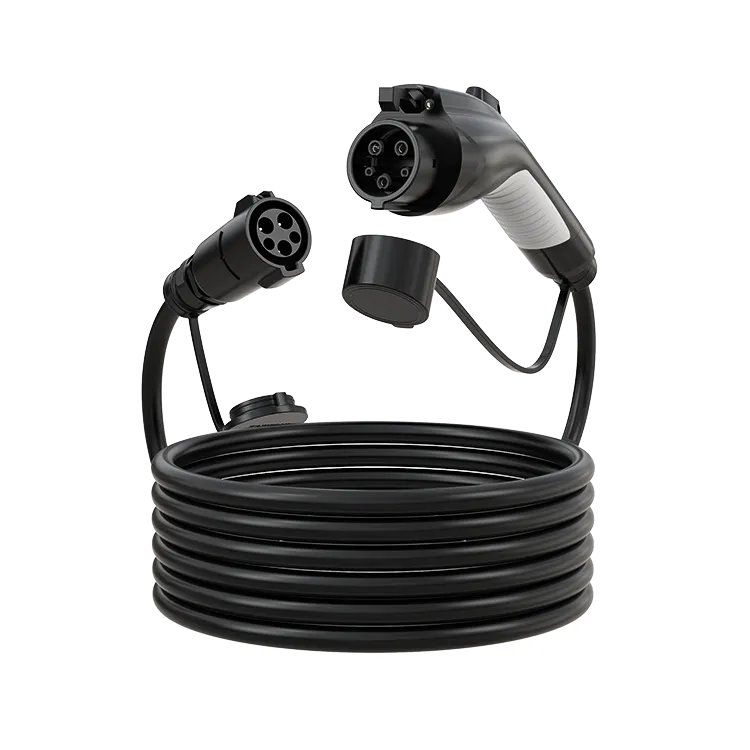
The form of the report varies by model: the EV-ACS4005T shows its state and faults as text on a 1.77-inch display, while portables such as the EV-AC04001U report through their indicators. In every case the exact model’s manual defines the wording or pattern — no legend can be borrowed from another model. If the tests leave the charger as the suspect, contact EVDANCE support with the photo and results; EVDANCE chargers carry a 3-year standard warranty.
Frequently Asked Questions
Does a fault light mean the charger itself is broken?
Not necessarily: the light reports that a check stopped the session, and the cause can sit in the socket, the circuit, the cable or the car. The isolation tests find out which.
The fault only appears at one house I visit. Why?
The charger is the constant; that socket is the variable. Tell the host their circuit is the suspect, and do not work around their wiring with adapters or higher settings.
Can I keep resetting until it charges?
One reset after recording is reasonable; repeated resets hide the pattern support needs and stress a bad socket. If it returns, run the tests or stop.
Related Reading
- Why Is My Electric Car Charger Not Working? A Driver’s Checklist
- Portable EV Charger Safety Guide 2026: NEC Rules, Extension Cords, and What to Avoid
- Portable EV Charger News: Why Extension Cords Are a Code Violation, Not a Workaround
- Do Portable EV Chargers Work? How Speed Depends on the Outlet

