
It can be safe, but the socket type is not what decides it. As our guide to charging an electric car from a normal socket sets out, any EV can charge from a regular socket with the right cable. Outdoors, the answer depends on three things: the socket’s condition, the circuit behind it, and whether the connection stays weather-protected while it runs for hours.
Key Takeaways
- Outdoors, safety is decided by socket condition, the circuit behind it, and weather protection in use — not by the socket type.
- EV charging is the hardest duty a household socket ever sees: full draw, for hours, in the weather.
- Occasional use of a sound socket and nightly reliance on one are different propositions; the second deserves a proper charging point.
- Heat, looseness, discolouration or trips end the experiment — a licensed electrician’s judgement is what makes regular use defensible.
Why an Outdoor Socket Is a Harder Case
A household socket is a light-duty device, made for loads that cycle on and off. EV charging is the hardest work it will ever do: full draw, continuously, for an entire evening or night. Outdoors, the same socket also lives in the weather. Rain, frost, sun and grit work on its contacts and housing across the seasons, so an outdoor socket that looks fine can be a worse connection than an indoor one of the same age. That is why the indoor answer does not simply carry outside.

The Three Things That Decide
| Factor | What good looks like | What ends the experiment |
|---|---|---|
| Socket condition | The plug sits firm, the face is clean, no marks or cracks | Heat at the plug, a loose or wobbly fit, discolouration, scorch marks |
| The circuit behind it | Dedicated, or shared only with light loads, with its protection known | An already loaded circuit, unknown wiring, repeated trips |
| Weather protection | A cover that protects the connection while the plug is in use, in a sheltered spot | The connection open to driven rain, the cover missing or held open |
Whether a regular socket has its own circuit or shares one with other heavy loads is a design fact about your home, not something to guess at. Our explainer on whether a Level 1 charger needs a dedicated circuit walks through that side of the question.
The Duty Line: Occasional Is Not Every Night
The same socket can be a reasonable answer twice a year and a poor one every night. An occasional or emergency charge, on a socket that passes the three checks above, is the use this kind of charging was made for. A nightly routine multiplies the hours at full draw and the plug-in cycles, and deserves a proper charging point designed for the duty. Either way, plug directly into the wall — never through an extension lead, because every added joint is another connection carrying full current for hours.
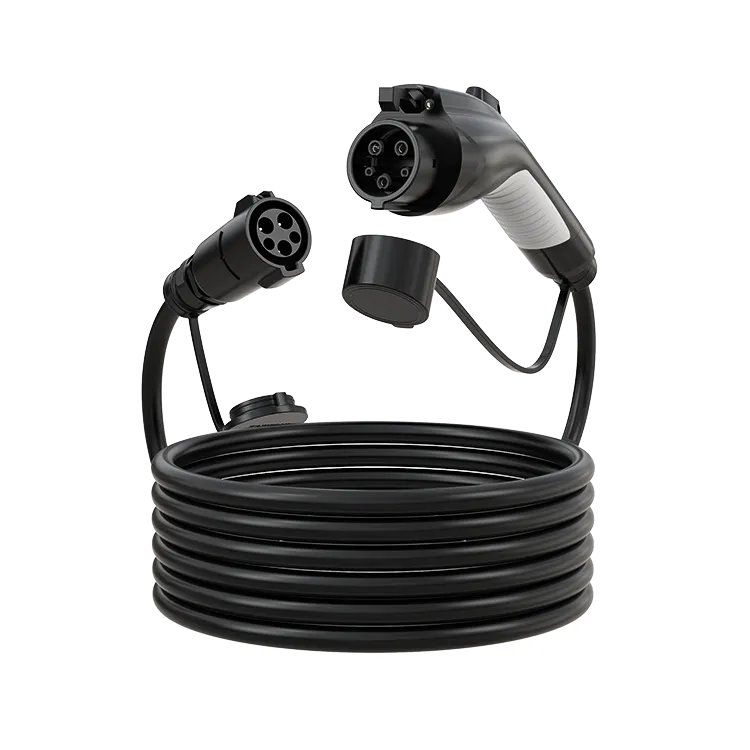
The charger itself is rarely the weak point outdoors. The EV-AC04001U 40A J1772 portable charger is rated IP66; what its rating cannot cover is the household socket it plugs into. Where home charging becomes a daily pattern, a fixed point from our residential EV charging range removes the socket from the equation.
Stop Signs: End the Session and Get the Socket Checked
- The plug or socket face feels warm during or after a session.
- The plug has started to sit loosely, rock, or fall partly out.
- There is any discolouration, smell, or scorch mark around the socket.
- The circuit’s protection trips when the car charges.
- The cover no longer closes over the plug while it is in use.
Any one of these ends the experiment. A licensed electrician can judge the socket and its circuit in one visit — and that judgement, not the socket’s survival so far, is what makes regular use defensible.
Frequently Asked Questions
Can I use an extension lead to reach an outdoor socket?
No. Plug the charger directly into the wall socket. Extension leads add joints that were not made to carry charging current for hours, and outdoors they add weather exposure on top. Reach is a reason to move the car or fit a proper point, not to extend the lead.
Does rain on the charger itself make socket charging unsafe?
Rain on a sealed, outdoor-rated charger is the case its IP rating covers. The connection at the household socket is the weak point, which is why the cover that protects it in use, and the socket’s condition, decide the outdoor answer.
Who can tell me whether my outdoor socket is up to it?
A licensed electrician. Socket condition, circuit loading and protection are installation facts, and if regular charging is the plan, the same visit can scope a dedicated charging point instead.
Related Reading
- Can I Charge an Electric Car From a Normal Socket?
- Does a Level 1 Charger Need a Dedicated Circuit?
- Do Portable EV Chargers Work? How Speed Depends on the Outlet
- Can I Leave a Level 1 Charger Plugged In All the Time?

