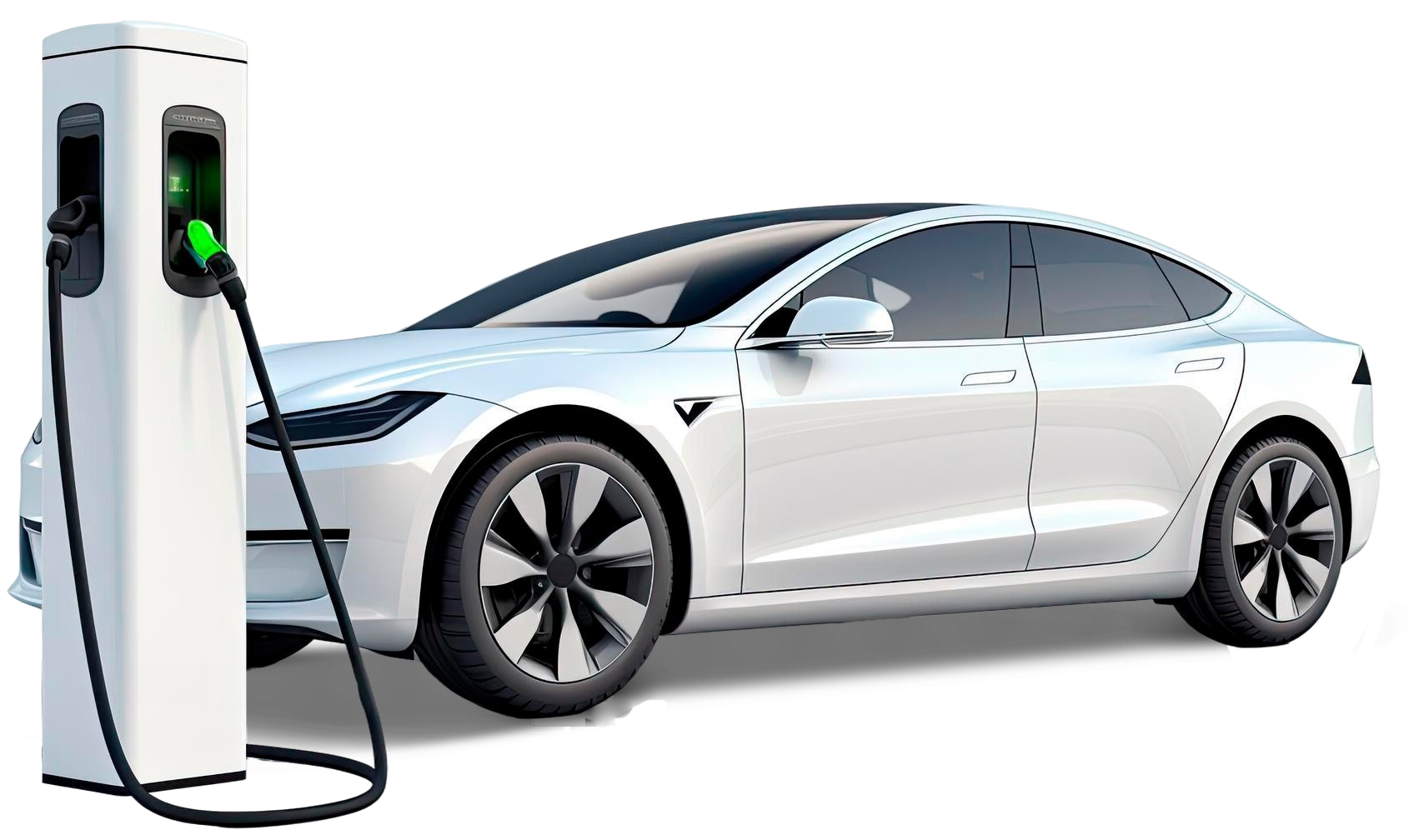
Tesla owners shopping for home charging usually start with two familiar names: the Mobile Connector that travels with the car, and the Wall Connector that gets permanently mounted — often hardwired — to the garage wall. On September 25, 2026, EVDANCE published its case for a third approach: a 40A NACS wall-mounted Level 2 charger that plugs into an existing NEMA 14-50 outlet, positioned squarely in the space between Tesla’s two home options.
A Plug-In Wall Charger for an Existing Outlet
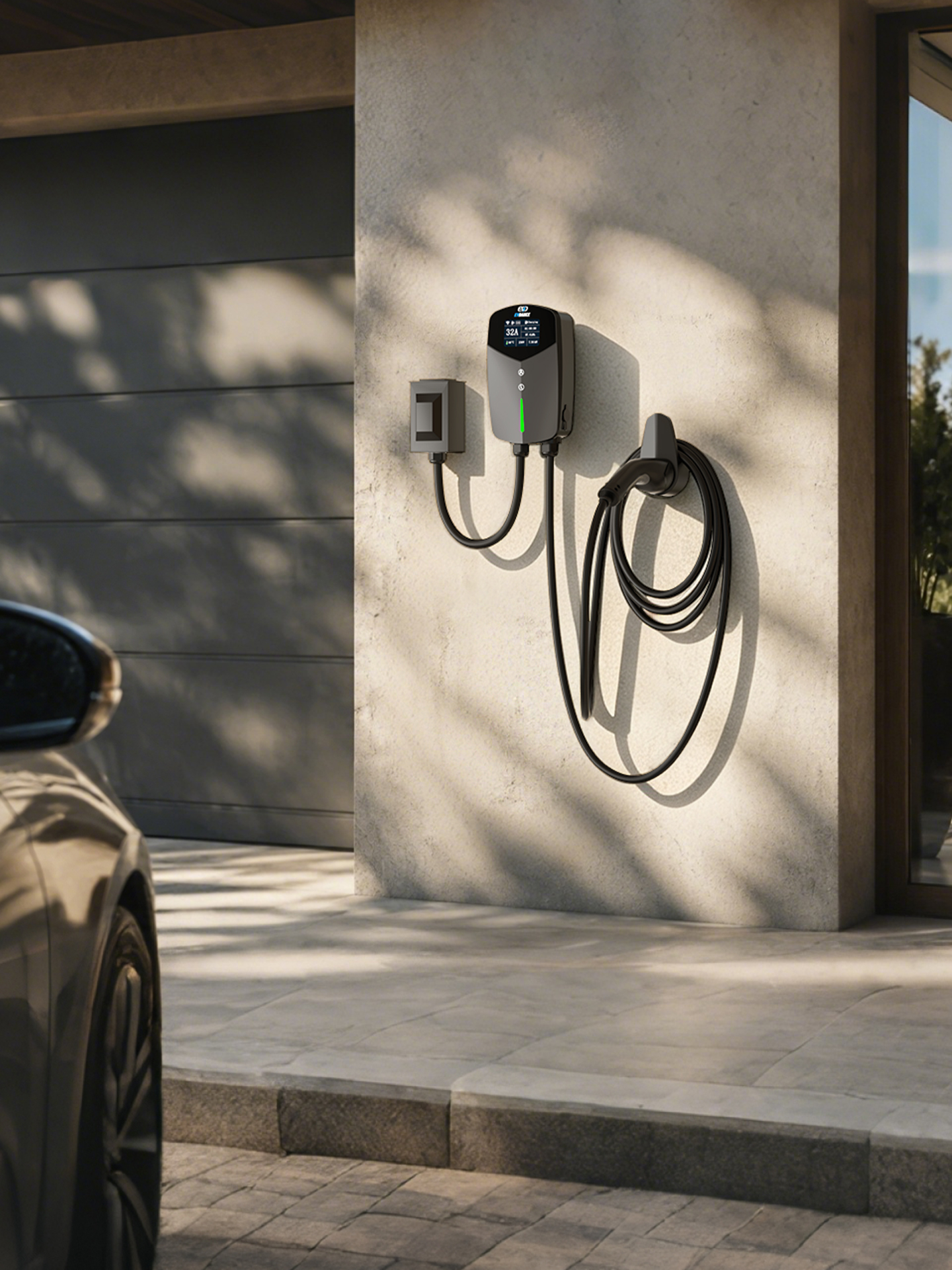
The product at the center of the announcement is EVDANCE’s 40A NACS wall-mounted Level 2 EV charger. Because it plugs into a standard NEMA 14-50 outlet rather than requiring hardwired installation, it is aimed at owners who already have a 240V circuit in the garage — for a dryer, a previous charger, or a ready-for-EV circuit — and want a fixed, dedicated charger without a permanent installation project. According to the announcement, the charger delivers up to 40A, or 9.6kW at 240V, when supported by the vehicle and the electrical circuit.
The 32A-to-40A Difference
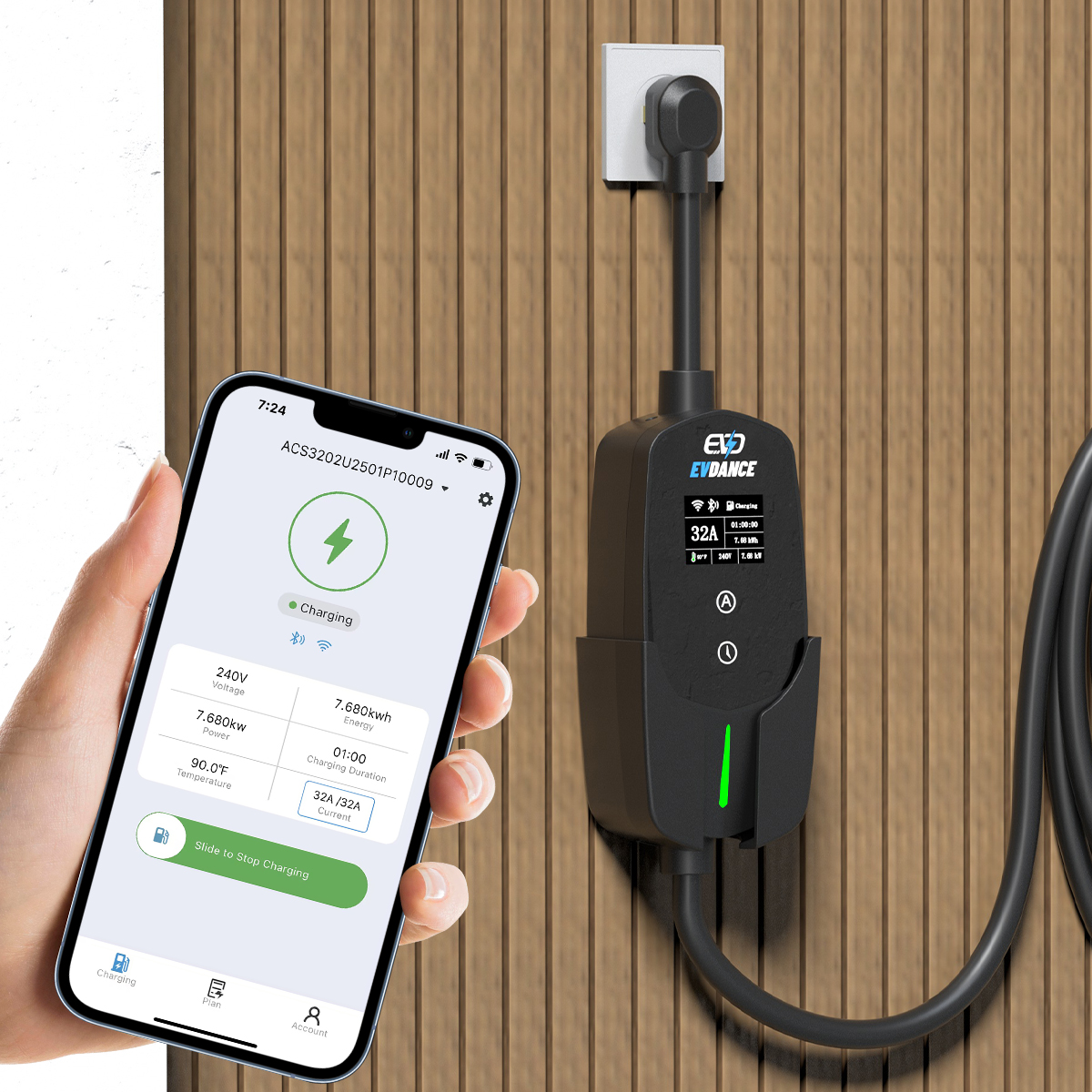
The comparison EVDANCE draws is specific. Tesla’s Mobile Connector — the portable charging cord that travels with the car — supports up to 32A, which works out to about 7.68kW at 240V. A 40A charger represents 25% more available current, which translates into measurably faster overnight charging for vehicles and circuits that can use it. The argument isn’t that owners should discard the Mobile Connector; it’s that the two tools do different jobs. “It isn’t trying to replace Tesla chargers, it’s filling the space between them,” said one Tesla owner quoted in the announcement — a six-year Tesla driver with more than 100,000 miles of experience, who keeps the Mobile Connector in the trunk for travel and backup while a wall-mounted unit handles daily charging at home.
Cable Reach, Again
Reach — the distance between where the charging equipment sits and where the charge port actually ends up — has become a recurring theme in EVDANCE’s product decisions, from its 21- and 40-foot extension cables to its portable charger lineup. The new wall charger carries a 25-foot cable, long enough to reach a vehicle parked nose-in, backed in, or in the far bay of a two-car driveway without repositioning. The NACS connector also keeps the push-button charge-port release, so unlocking behavior stays the same as the connector Tesla owners already use.
Display and App Controls
The charger includes a 2.4-inch on-unit display — a running status readout that most portable charging cords simply don’t have — and pairs with an app for adjusting the charging current and scheduling sessions. For owners on time-of-use electricity rates, the ability to schedule charging into off-peak windows is the difference between a charger that is merely fast and one that is also cheap to run.
What to Check Before Choosing a Wall Charger
The announcement also works as a checklist for anyone comparing wall-mounted Level 2 chargers. At minimum: confirm that the circuit and outlet match the charger’s full rating (a 40A charger wants an appropriately sized 240V circuit), check the cable length against the real distance in your garage or driveway rather than the spec-sheet ideal, and verify the connector standard — NACS or J1772 — matches the vehicle you own today, not the one you might own next.
Key Takeaways
- EVDANCE announced a 40A NACS wall-mounted Level 2 charger that plugs into an existing NEMA 14-50 outlet on September 25, 2026.
- At 40A / 9.6kW at 240V, it offers 25% more available current than Tesla’s 32A Mobile Connector (about 7.68kW at 240V).
- The charger carries a 25-foot cable with a push-button NACS connector, a 2.4-inch display, and app-based current adjustment and scheduling.
- Circuit rating, real-world cable reach, and connector standard are the three checks worth making before choosing any wall charger.
Sources & Standards
- 24-7PressRelease — EVDANCE Addresses the Gap Between Tesla Home Chargers (September 25, 2026)
- GlobeNewswire — Over 10,000 Units Sold: EVDANCE Unveils the Next-Generation NACS Charging Extension Cable