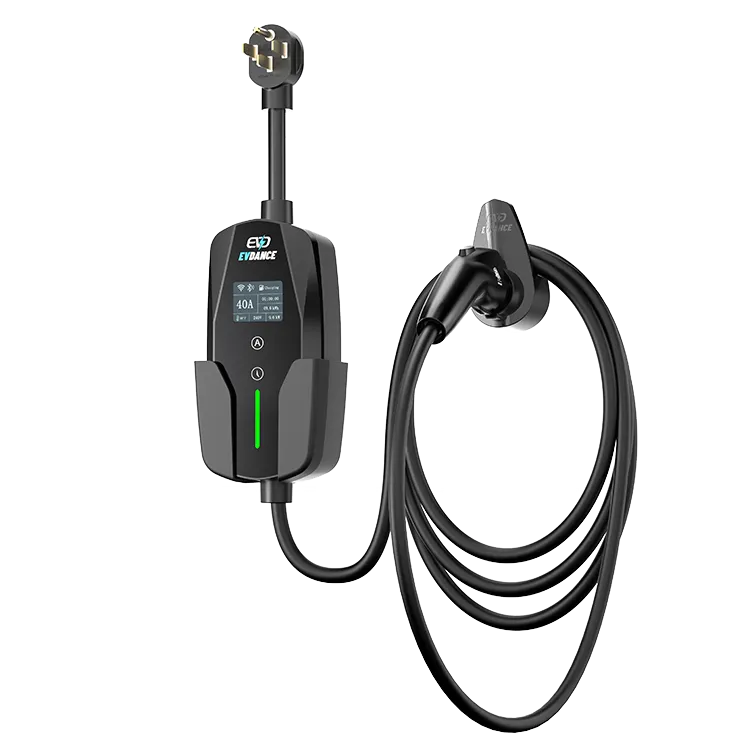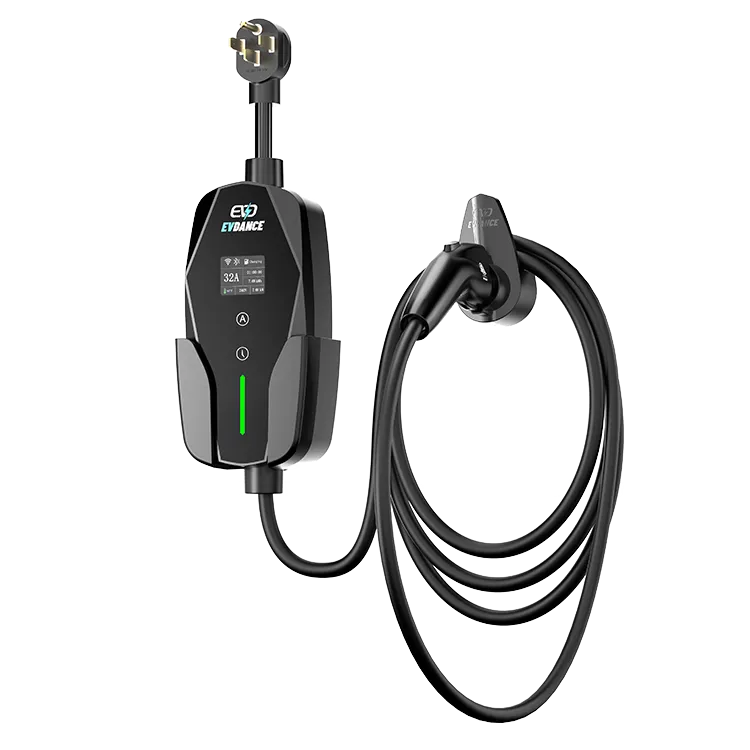
Specifying EV charging equipment for a commercial property — an apartment complex, a fleet depot, a hotel, a retail parking lot, or an office campus — is a different exercise than picking a charger for a home garage. The unit needs to survive constant use by different drivers, tolerate weather extremes with minimal maintenance, integrate with payment or access systems, and hold up to a duty cycle that a residential charger was never designed for. Here’s what actually separates a commercial-grade wall-mounted EV charger from a residential one dressed up in a bigger enclosure.
1. Duty Cycle and Continuous Power Rating
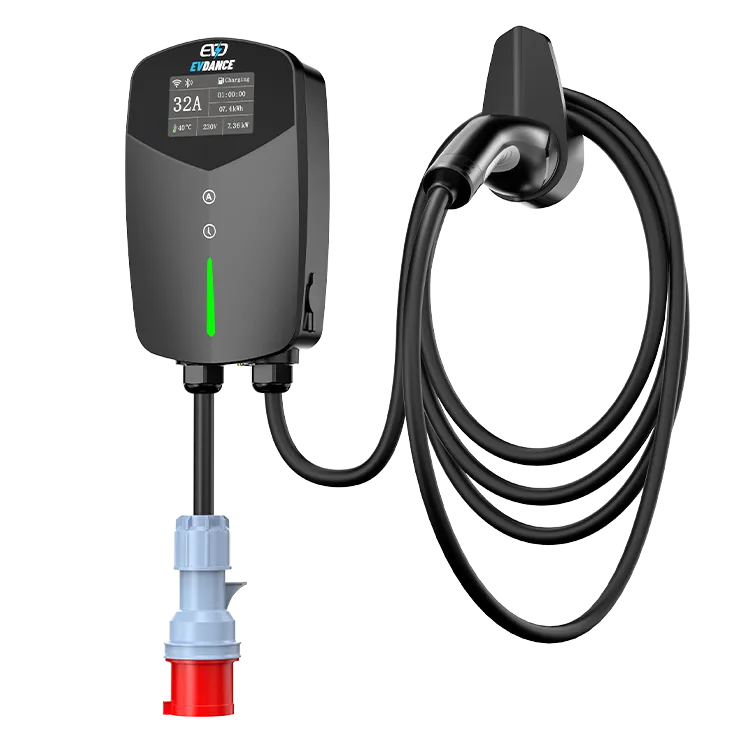
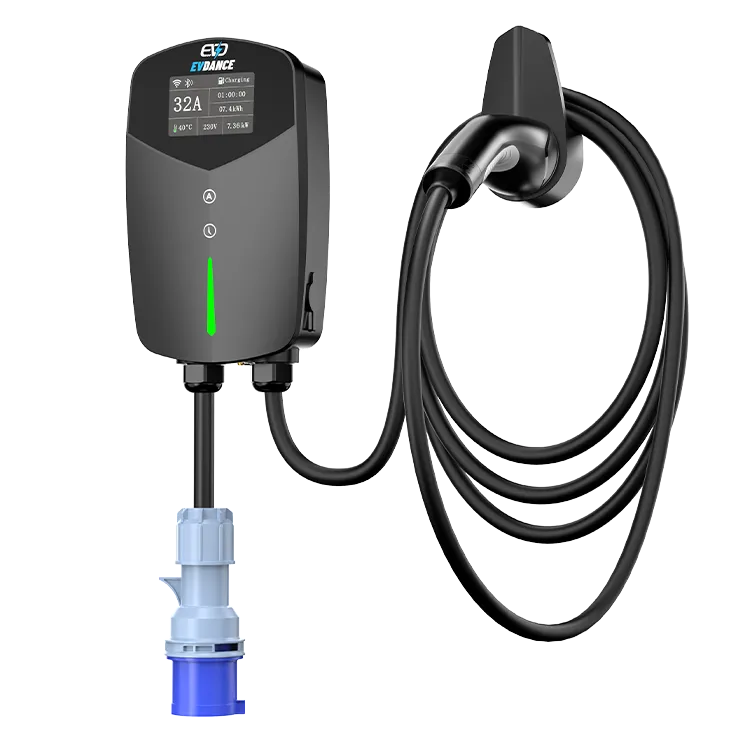
Residential chargers are engineered around one or two charging sessions a day. Commercial units need to handle back-to-back sessions from different vehicles, often around the clock. This means the internal power electronics, relays, and thermal management need to be rated for continuous duty — not just peak output. EVDANCE’s commercial wallbox line, including the EV-ACT5006U/B (48-50A / 11.5-12kW) and 22kW three-phase units like the EV-ACT3204E/PE, are built with this duty cycle in mind, using copper conductors and reinforced housings that dissipate heat more effectively under sustained load than typical residential-grade materials.
2. Weatherproofing That Actually Holds Up
A single home charger might get inspected and maintained by its owner. A property with a dozen chargers spread across a parking structure usually doesn’t get that kind of individual attention. That makes ingress protection critical — look for IP65/IP66 at minimum, verified working temperatures from -30°C to +50°C, so units in exposed, unheated, or coastal locations don’t degrade faster than the rest of the property’s infrastructure.
3. Three-Phase Power Options
Unlike most residential installations, commercial and industrial properties frequently have three-phase electrical service available, which unlocks significantly higher charging speeds — up to 22kW on units like the EV-ACT3204E/PE — without requiring DC fast-charging infrastructure. For fleet depots or high-turnover parking, three-phase AC chargers offer a middle ground: far faster than single-phase Level 2, but at a fraction of the installation and equipment cost of a DC fast charger.
4. Smart Charging and Load Management
Look for chargers that support OCPP 1.6, which allows a property to run centralized load balancing across multiple units — automatically reducing output on individual chargers so the total draw never exceeds what the building’s service can supply. This also enables integration with third-party charge management platforms, RFID card access, and app-based billing, which most commercial operators need.
5. Manufacturing Consistency at Scale
A property installing 20 or 50 chargers needs every unit to perform identically — inconsistent firmware, tolerances, or QC between units creates a maintenance headache down the line. EVDANCE operates a 10,000+ square meter production facility in Shenzhen with over 200 engineering and production staff, ISO 9001 certification, and an annual capacity in the millions of units, giving property developers and charging network operators the batch consistency that smaller or newer manufacturers often can’t guarantee.

6. Certification Coverage for Your Market
Commercial installations are far more likely to face inspection, insurance review, or compliance audits than a residential garage. Confirm the charger you’re specifying carries the certifications relevant to your jurisdiction rather than a single generic “certified” claim.





7. Beyond AC: When to Consider DC Fast Charging
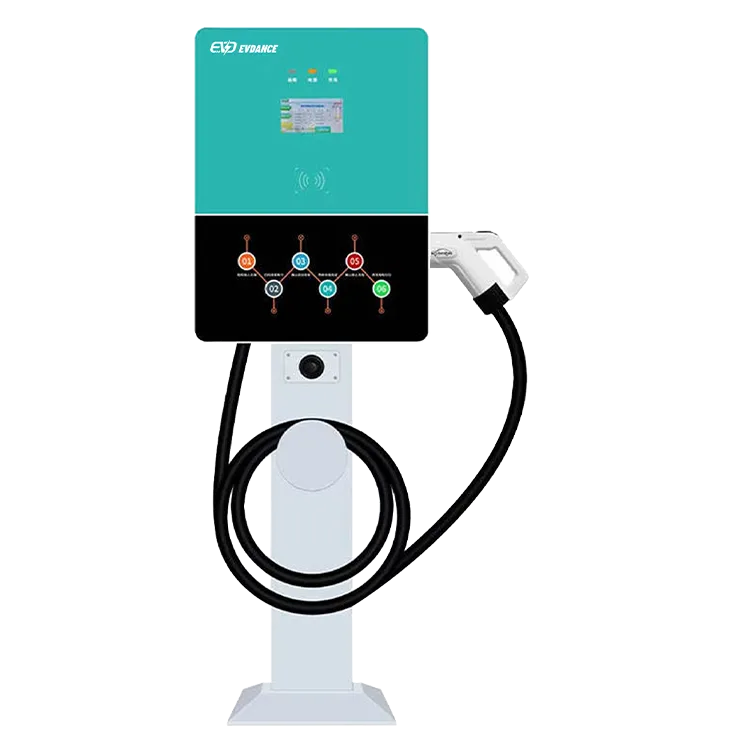
For high-traffic commercial sites — retail centers, highway-adjacent properties, or fleet operations with tight turnaround requirements — AC wall-mounted chargers may not be enough on their own. EVDANCE’s DC High-Power line, including the EV-RHDC30K-L 30kW mobile/wallbox DC fast charger with CCS1/CCS2/NACS connector options, wide DC output range (150V-1000V), 7-inch touchscreen, RFID and 4G/Ethernet connectivity, and OCPP 1.6J support, complements the wall-mounted AC lineup for properties that need a mix of standard overnight/workday charging and fast top-ups for high-turnover parking.
Commercial Charger Lineup at a Glance
| Model | Type | Power | Best For |
|---|---|---|---|
| EV-ACT3204E/PE | 3-phase AC wallbox | 22kW | Fleet depots, hotels, moderate dwell-time parking |
| EV-ACT5006U/B | 1-phase AC wallbox | 11.5-12kW | Retail, office, single-bay commercial charging |
| EV-RHDC30K-L | DC fast charger | 30kW | High-turnover parking, quick top-ups |
Putting It Together
The right commercial wall-mounted charger checklist looks different from a residential one: continuous duty cycle rating, IP65/66 weatherproofing verified for your climate, three-phase power where available, OCPP 1.6 load management, manufacturing consistency from an established supplier, and jurisdiction-appropriate certification. Skimping on any one of these categories tends to show up later as maintenance costs, downtime, or compliance headaches — all of which are far more expensive to fix after 20 units are already installed and in daily use than to specify correctly up front.