
Sometimes — but only when the impact touched nothing electrical. If a bump or scrape happened well away from the charge port, the cable, the home charger and the underside of the car, and the car shows no warnings, normal charging is usually fine. If the charge port area, the battery area underneath, or the charger itself took any hit, or any warning has appeared, do not plug in to “test it”: the dealer and your insurer come first.
Key Takeaways
- Judge an accident by location: damage near the charge port, underside or charger is an electrical question.
- Warnings, smells, heat, leaks or port damage are stop signs — do not charge to test the car.
- Photograph everything and involve your insurer and dealer before repairs or charging.
- Visible checks are eyes-only; battery and charger internals are specialist work.
Location Matters More Than How Small the Bump Looked
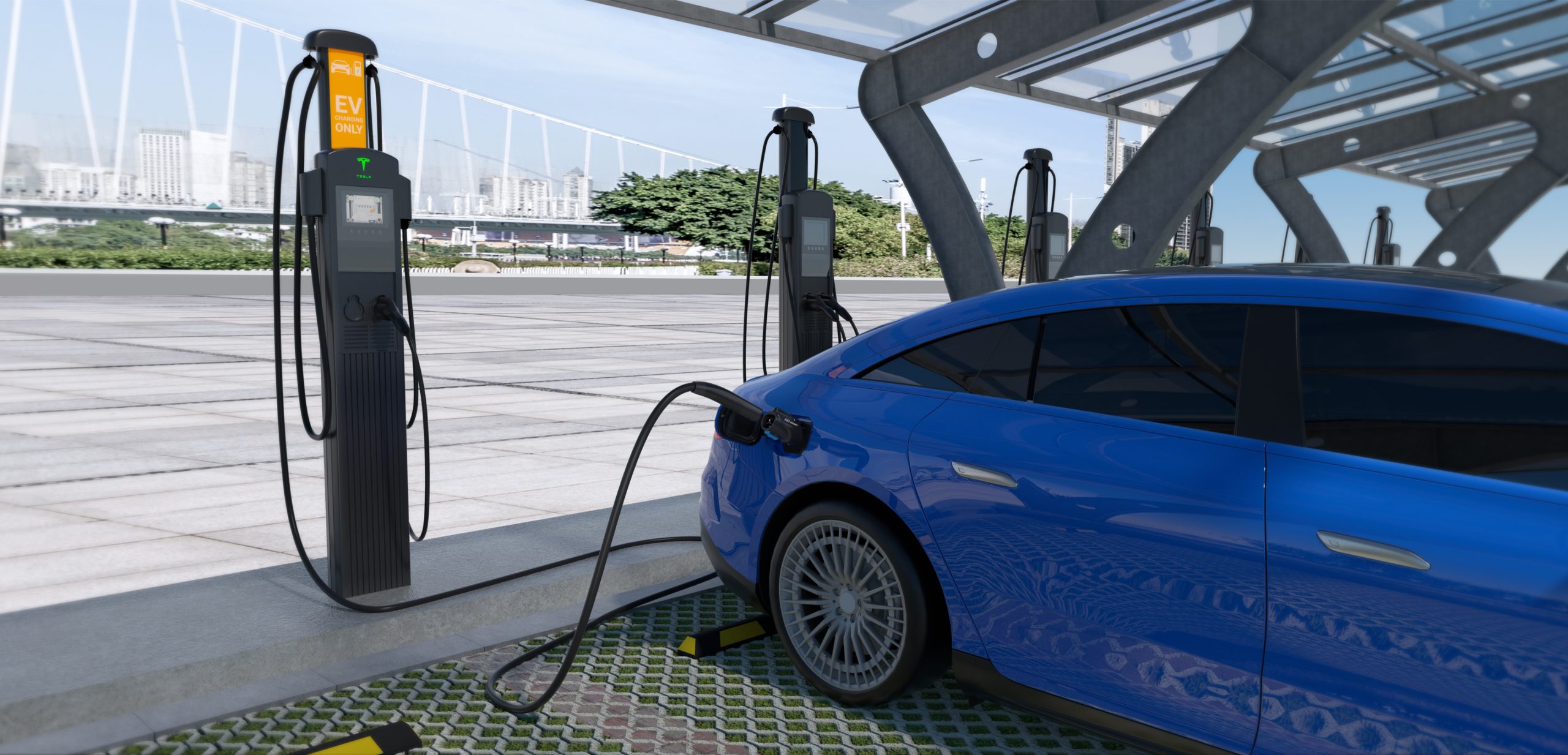
A parking dent on a door is a cosmetic problem. The same force at the corner where the charge port sits, or a strike underneath where the battery pack lives, is an electrical question. Judge the accident by what is near the damage: the charge port and inlet, the charging cable and connector, the wall charger and its mount, and the flat underside of the car. Anything in those zones moves the car out of the “just charge it” category, even if it still drives normally.
The Visible Check: Eyes and Hands Outside Only
This is an inspection, not a repair. Do not open any covers and do not remove any panels. Walk around and check:
- The charge port door opens and closes properly and sits flush.
- The inlet pins look straight, with no cracks in the socket or bent parts.
- The connector and cable show no cuts, crushed sections or exposed inner parts.
- The home charger’s housing is uncracked and its wall mount is still firm.
- There is no leaking fluid, no unusual smell, and no new noise from under the car.

Stop Signs: Do Not Charge
| Sign | Why it stops you | What to do instead |
|---|---|---|
| Warning messages or alerts on the dashboard | The car has already detected a fault | Follow the maker’s guidance; book a dealer inspection |
| Burnt smell, unusual heat, smoke or hissing | Possible battery or electrical damage | Keep your distance and contact the dealer or emergency services if signs are active |
| Damaged charge port, inlet or connector | A poor connection can overheat during a session | Insurer and dealer first; no charging until it is cleared |
| A hard strike underneath the car | The battery pack may be damaged even if the car drives | Dealer inspection of the underside before any charging |
| Cracked charger housing or a charger knocked off its mount | Internal damage is not visible from outside | Leave it switched off; an electrician checks it before reuse |
Insurer and Dealer Before the Charger
Photograph the damage before anything is moved or cleaned up, and tell your insurer before arranging repairs — charging a car that later turns out to have battery damage can complicate a claim. A dealer inspection can confirm the high-voltage system and charge port are sound; as our article on whether an EV battery can be replaced or repaired explains, pack work is specialist work, never a home job. If your home charger took a knock, have a licensed electrician check it rather than relying on it still lighting up.
Once the car is cleared, ordinary home charging resumes: a wallbox such as the EVDANCE EV-ACT5006T 48A Level 2 charger, or a portable unit such as the EV-ACS4005T that you can unplug and inspect from every side before use.
Frequently Asked Questions
The car drives fine. Can I charge it tonight?
Driving fine is a good sign, not a clearance. If the impact was near the charge port or underneath the car, or any warning has appeared, get the car inspected first. If the damage is purely cosmetic and far from anything electrical, charging is normally reasonable.
A trolley dented the panel next to the charge port. What now?
Run the visible check above: door alignment, inlet pins, socket cracks. If the port door no longer sits flush or the inlet looks distorted in any way, treat it as port damage and have it inspected before charging.
Can I use a public charger instead of my home one after a bump?
The question is the car’s condition, not the charger. A public session runs at higher power and is unattended for longer, so if the car needs inspection, it needs it before any charging, anywhere.
Related Reading
- Can an EV Battery Be Replaced or Repaired?
- How Long Do EV Charging Cables Last, and Can They Be Repaired?
- Why Is My EV Charger Flashing Red?
- Why Is My Electric Car Charger Not Working? A Driver’s Checklist

