
A plug-in hybrid charges its battery three ways. It plugs into the grid like an electric car, through an onboard charger that turns AC power into DC. On the move, its engine can run a motor as a generator, and that motor recovers energy every time the car slows. Only the plug fills the battery fully; the other two routes keep it working while you drive.
Key Takeaways
- A plug-in hybrid charges three ways: from the grid, from its engine acting as a generator, and from regenerative braking.
- The onboard charger converts AC to DC and caps plug-in speed, typically at about 3.3 to 7.4 kW.
- Engine generation and braking hold and top up the battery; only the plug fills it.
- Trips run charge-depleting first, then charge-sustaining — plugging in nightly resets the pattern.
Route One: The Plug, Through the Onboard Charger
Wall power is AC; a battery stores DC. Every plug-in hybrid therefore carries an onboard charger — a converter between the charge port and the battery. That converter, not the wallbox, sets the speed. Many plug-in hybrids have small onboard chargers of about 3.3 to 7.4 kW, so a more powerful charger cannot charge them faster; the car takes what it can convert.
In practice: the supplied cord on a household outlet fills most PHEV batteries overnight, and a Level 2 charger refills one in a few hours. Most North American plug-in hybrids use the J1772 connector. Whether a dedicated charger is worth buying is a separate decision, worked through in our guide to whether a plug-in hybrid needs an EV charger.

Route Two: The Engine as a Generator
When the battery falls to the level the car wants to hold, the engine starts. Besides helping drive the wheels, it can turn one of the electric motors as a generator, making electricity for the drive motor and the battery’s working band. This is charge-sustaining operation: the battery is held roughly level for the rest of the trip.
Many models add driver choices: a hold mode that preserves the battery for later, and on some a charge mode that asks the engine to add charge while driving. Both work, but notice the path: gasoline burned to make electricity to drive the wheels. Each conversion loses energy, so this is the expensive way to fill a battery — a backup for keeping moving, not a replacement for the plug.
Route Three: Regenerative Braking
Slow down, and the drive motor runs in reverse as a generator. Energy a conventional car throws away as heat in the brake pads is partly recovered and sent back to the battery. The effect is biggest in stop-and-go driving, smallest on the highway.
The limit is built in: regeneration only recovers part of the energy already spent getting up to speed. It stretches electric driving, but it can never refill an empty battery — the energy has to come from somewhere first.
| Route | Energy source | What it can do |
|---|---|---|
| Plug-in charging | The electricity grid | Fills the battery fully — the only route that does |
| Engine generation | Gasoline, via the engine and a motor-generator | Holds the battery at its working level; can add charge, at a fuel cost |
| Regenerative braking | The car’s own motion | Recovers part of the energy spent accelerating |
How the Car Moves Between the Three
A typical trip uses the routes in sequence. The car starts charge-depleting: driving on the battery, spending the grid charge, with braking feeding small amounts back. At the battery’s floor it switches to charge-sustaining: the engine joins in, generation holds the level, and the car behaves like a conventional hybrid for the rest of the trip. Plugging in at home resets the cycle.
Equipment for the Plug-In Route
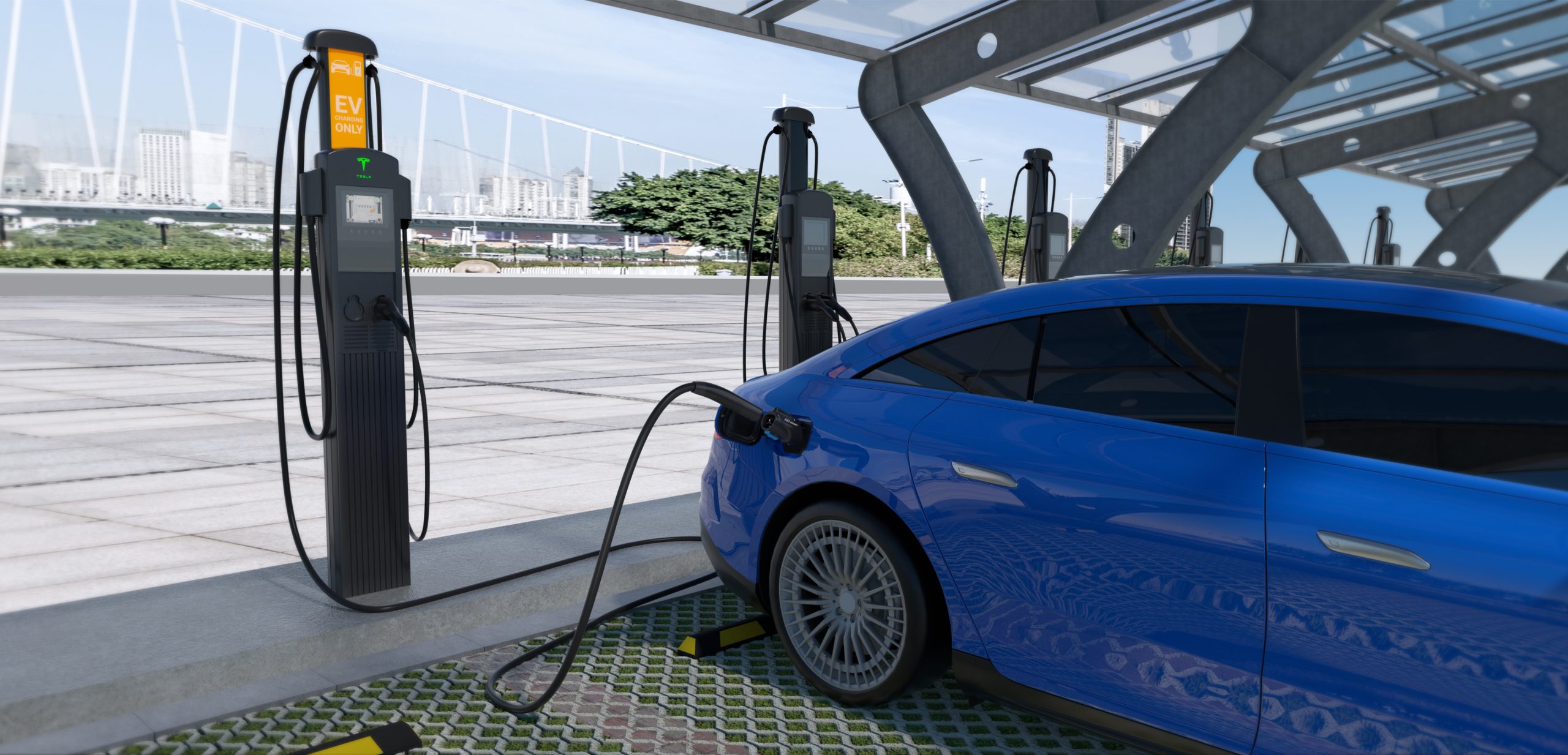
Since the plug is the route that matters, equipment is only about speed and convenience. The EV-AC04001U 40A J1772 portable charger (9.6 kW, NEMA 14-50P, SAE J1772, IP66, 25 ft cable) plugs into a 240 V outlet; the car simply takes the 3.3 to 7.4 kW its onboard charger allows. More setups are on our residential EV charging page.
Frequently Asked Questions
Can a plug-in hybrid charge its battery while driving?
Yes — the engine generates on the move and braking recovers more. But normally those routes hold the level rather than refill it; filling is the plug’s job.
If it charges itself, why plug in at all?
Because self-charging runs on gasoline. Grid electricity is the cheap, full fill; engine-made electricity is a backup for once the battery is spent. Skip the plug and you are driving a hybrid carrying a bigger battery.
Does regenerative braking mean I rarely need to charge?
No. Regeneration only returns part of the energy used to accelerate, minus losses — most in town traffic. No week of driving is powered by its own braking.
Related Reading
- Do I Need an EV Charger for a Plug-In Hybrid?
- How Do Home EV Chargers Work?
- Level 1 vs Level 2 vs DC Fast Charging: A Practical Comparison
- Do Portable EV Chargers Work? How Speed Depends on the Outlet

