
Yes — the warning is usually the weather, not a puncture. Air contracts as it cools, so the pressure inside your tyres falls on the first cold mornings of the season, and the car’s tyre pressure monitoring system reports it. Tyres also lose a little air slowly all year; the two effects add up, and tyres last checked in warm weather can cross the warning threshold on one frosty start. The fix is a gauge, the figure on the driver’s door sticker, and five minutes.
Key Takeaways
- Cold air contracts, so tyre pressure falls in cold weather and the warning light follows — usually weather, not a puncture.
- Soft tyres raise rolling resistance and quietly cost range on the days range is already shortest.
- Check pressures cold, to the door sticker figure, monthly and at each change of season.
- One tyre dropping alone, or a warning that returns after topping up, means a leak.

Why Pressure Falls When the Temperature Drops
A tyre is a sealed volume of air. Cool the air and it takes up less space, so the pressure reading falls even though nothing has leaked. Warm the tyre up — by driving, or by a sunny afternoon — and the reading climbs again. That is why the warning appears first thing on a cold morning and can seem to fix itself later. What you are seeing:
| What you see | Likely cause | First check |
|---|---|---|
| Warning on all four tyres after a cold night | Seasonal pressure drop across the set | Check cold pressures against the door sticker and top up |
| Warning on one tyre only | That tyre has lost more air than the rest | Check it first; if it drops again within days, have it inspected for a slow puncture |
| Warning clears after some driving | Driving warms the tyres and pressure recovers slightly | Still check cold the next morning — the cold reading is the true one |
| Warning returns within a week of topping up | A leak, not the weather | Tyre shop: valve, bead or tread damage |
Why It Matters More in an EV
Soft tyres cost any car energy, but EV drivers feel it twice. Under-inflated tyres flex more, which raises rolling resistance and the energy used per mile — FuelEconomy.gov’s EV technology overview lists correct tyre pressure among the basics of electric car efficiency. On an EV that shows up as range, on exactly the cold days when range is already shorter. Under-inflation also wears the tyre shoulders unevenly, and EVs are heavy cars whose tyres work hard to begin with. The hardware side of cold weather is covered in our guide to cold-weather charging for chargers and cables.
How to Set Pressures for the Cold Season
- Check cold. Measure before driving, or after the car has sat for a few hours. A reading taken after a drive is flattered by warm air.
- Use the door sticker figure. The placard on the driver’s door frame is the car’s figure. The maximum printed on the tyre sidewall is not the target.
- Do all four. Seasonal drops affect the whole set; matching pressures keep wear and handling even.
- Recheck when the season turns. A monthly check, plus one at each swing into cold or hot weather, catches the drift before the warning does.
- Never bleed a hot tyre. In summer the readings rise as tyres heat up. Do not let air out to match the sticker on a hot afternoon — set pressures cold; the hot reading may sit above it.
Make It Part of the Plugged-In Routine
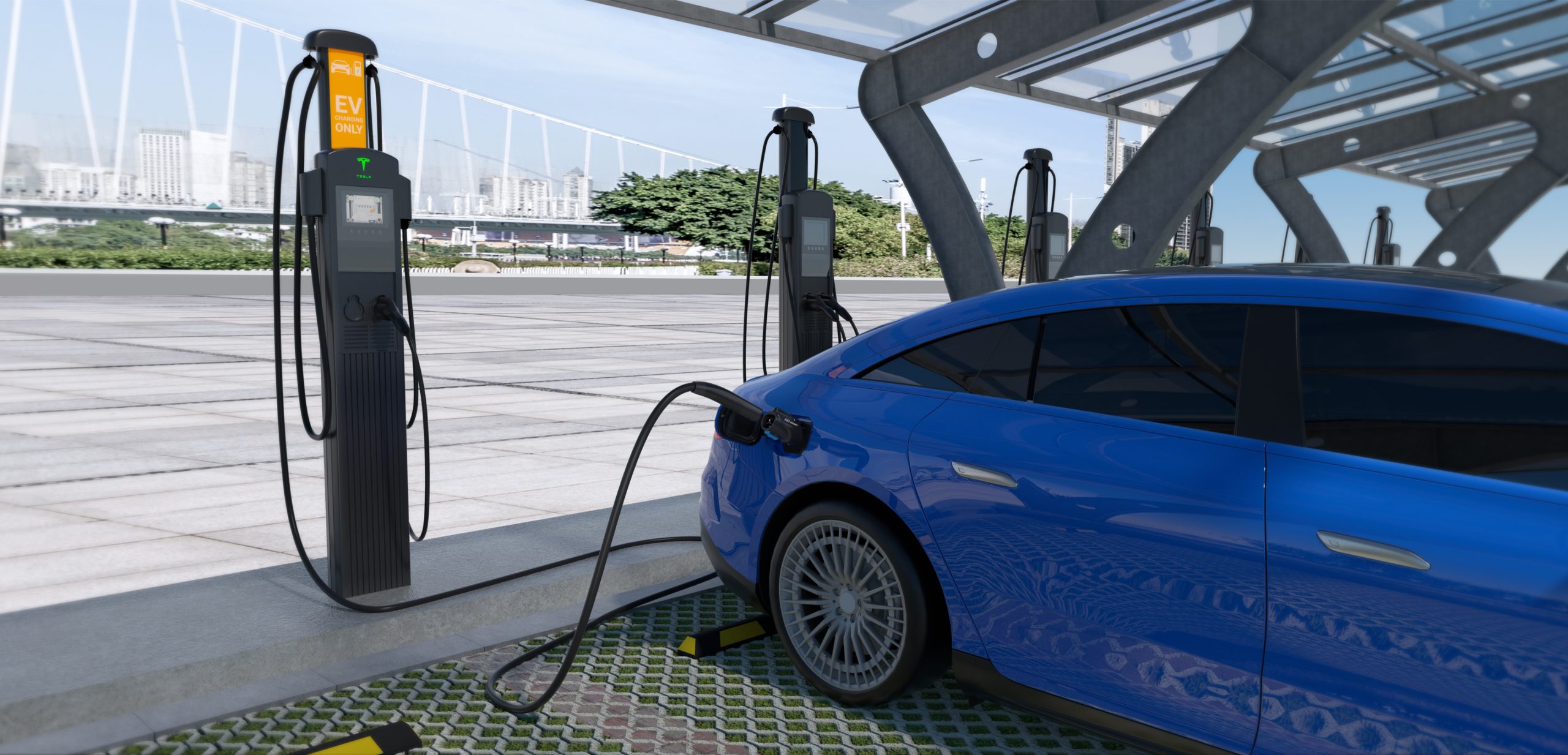
Pair the tyre check with the routine you already have. A car that charges at home overnight can also precondition from the wall before a cold departure. A fixed unit such as the EVDANCE EV-ACT5006T 48A Level 2 wall charger keeps the car connected and ready, and a portable like the EVDANCE EV-ACS3210T 32A NACS portable charger does the same from a NEMA 14-50 outlet. Check the tyres the same morning you check the charge — cold car, cold tyres, honest readings.
Frequently Asked Questions
The warning is on, but the tyres look fine. Can a tyre be low without looking flat?
Yes. A tyre can be well below its target pressure and still look normal, especially the stiff, low-profile tyres many EVs wear. Trust the gauge and the car’s readout, not the eyeball test.
Can I keep driving with the warning on?
Drive gently to somewhere you can check and top up, but do not treat the light as decoration for weeks. Soft tyres waste range every mile and wear unevenly; if one tyre is far below the others, treat it as a possible puncture.
Does the cold damage the tyres themselves?
Ordinary winter cold does not damage a sound tyre; the issue is pressure. What cold weather exposes is a set of pressures set in autumn and never revisited.
Related Reading
- Cold-Weather EV Charging: What Happens to Chargers and Cables Below Freezing
- Can You Leave an EV Charging Cable Outside?
- Does an EV Battery Drain When Parked?
- Are Portable EV Chargers Waterproof? IP Ratings Explained for Drivers

