
A solid-state EV battery replaces the liquid electrolyte inside today’s lithium-ion cells with a solid layer. It is the technology most often named when people ask when EV batteries will get cheaper or better. The honest position today: it is real, it is in development and pilot production, and no verified launch date or price for a mainstream car exists. Treat any source that gives you one with suspicion.
Key Takeaways
- Solid-state means a solid electrolyte instead of a liquid one; the rest of the pack works much as before.
- The promised gains — energy, safety, longevity — are development aims, not verified products.
- Manufacturing at scale is the barrier, so no launch date or price can honestly be quoted.
- Charging equipment is unaffected: chargers serve the car, not the chemistry.
What Is Different Inside the Cell
Every lithium-ion battery moves lithium ions between two electrodes through an electrolyte. In the cells in today’s EVs, that electrolyte is a liquid or gel, held in a separator. In a solid-state cell, a solid material — a ceramic, a glass-like compound or a solid polymer — does that job instead.
| Part of the cell | Today’s lithium-ion | Solid-state |
|---|---|---|
| Electrolyte | Liquid or gel | Solid layer |
| Separator | Separate membrane holding the liquid | The solid layer does this job too |
| Electrodes | Graphite-based anode; cathode chemistry such as NMC or LFP | Often aims to use a lithium-metal anode |
| Rest of the car | Pack, cooling, battery management system, charger | Largely the same job to do |
Everything outside the cell barely changes. The pack still needs cooling, protection and a battery management system, and the car still charges the same way — which is why the basics in overviews such as FuelEconomy.gov’s EV technology pages still apply.
Why People Expect So Much From It
- More energy in the same space. A solid electrolyte can allow a lithium-metal anode, which developers pursue because it could store more energy than today’s graphite anodes.
- Safety aims. Today’s liquid electrolytes are flammable. A solid layer removes that particular fuel from the cell, which is one reason developers present the design as a safety step.
- Longevity aims. Developers also aim for slower degradation. For context, the DOE estimates today’s batteries may last 12–15 years in moderate climates and 8–12 in severe ones; solid-state claims are about beating that record, not about a problem with current packs.
Note the wording: these are aims. Every one of them still has to survive mass production, real cars and real years before it counts as delivered. How today’s packs age is covered in does an EV battery degrade over time?
Why Your Next EV Probably Won’t Have One
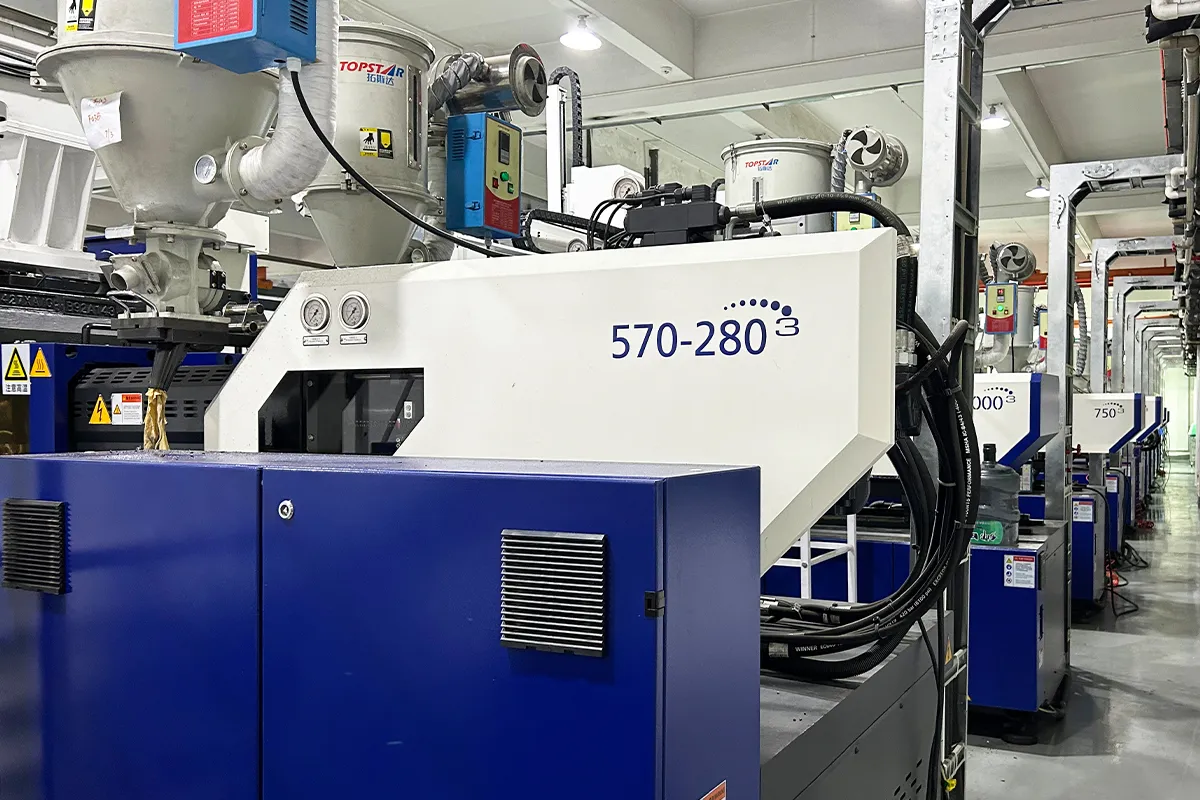
The barrier is not the idea; it is manufacturing. Solid layers must stay in perfect contact with the electrodes through thousands of charges, be made without defects at enormous scale, and be produced on lines that do not yet exist at car-industry volume. Pilot production is not the same thing as a production car: the step from a working demonstration line to millions of consistent cells is where timelines quietly slide. That is also why this article gives no date. Carmakers and battery firms announce targets from time to time; an announcement is a plan, not a product you can buy, and past targets in this field have moved.
What It Means for Charging
Very little, and that is good news. A charger talks to the car, not to the cell chemistry: the car requests power, the charger supplies it, and the same connectors and standards apply whatever the electrolyte is made of. Charging speed will still be set by the car’s own limits, exactly as it is between today’s chemistries — the differences between those are covered in does Level 2 charging shorten battery life? EVDANCE has manufactured chargers in Shenzhen since 2011, exports to more than 30 countries, and offers private label from 100 units; the product range and OEM program are chemistry-agnostic by design, because the equipment’s job does not change when cell designs do.
Frequently Asked Questions
Will solid-state batteries make EVs cheaper?
Nobody can verify that today. New technology usually arrives in low-volume, expensive products first, and no confirmed price for a solid-state EV exists. A production car you can order, with a published price, is the evidence to wait for.
Is solid-state the same thing as LFP or NMC?
No. LFP and NMC describe the cathode chemistry of today’s liquid-electrolyte cells. Solid-state describes the electrolyte. The two choices are separate, even if future cells combine ideas from both.
Should I wait for a solid-state EV instead of buying now?
That depends on your needs, but be aware there is no confirmed model or date to wait for. Today’s batteries already carry a DOE-estimated life of 12–15 years in moderate climates, so waiting means giving up years of use for an unannounced product.
Related Reading
- Does an EV Battery Degrade Over Time?
- Does Level 2 Charging Shorten Battery Life?
- Does DC Fast Charging Degrade an EV Battery?

