
Sometimes — but to a specialist buyer, not to another driver, and only if the pack is actually yours to sell. Second-life firms, remanufacturers and recyclers buy used packs, and they price them from testing, not from the car’s age or mileage. There is no fixed price for a used pack: its measured health, chemistry and condition decide what it is worth.
Key Takeaways
- Used packs are bought by second-life firms, remanufacturers and recyclers — not by private buyers.
- Tested health, chemistry, damage and completeness set the value; there is no fixed price.
- Warranty cores, written-off cars and leased batteries are not the owner’s to sell.
- Never open or move a pack yourself; specialists handle assessment and transport.
Who Buys Used EV Batteries
| Buyer | What they want | What they do with it |
|---|---|---|
| Second-life firms | Packs with solid remaining capacity and no damage | Test, repackage and certify them as stationary storage |
| Remanufacturers | Packs of the same design, including partly worn ones | Replace weak modules and resell the pack for vehicle use |
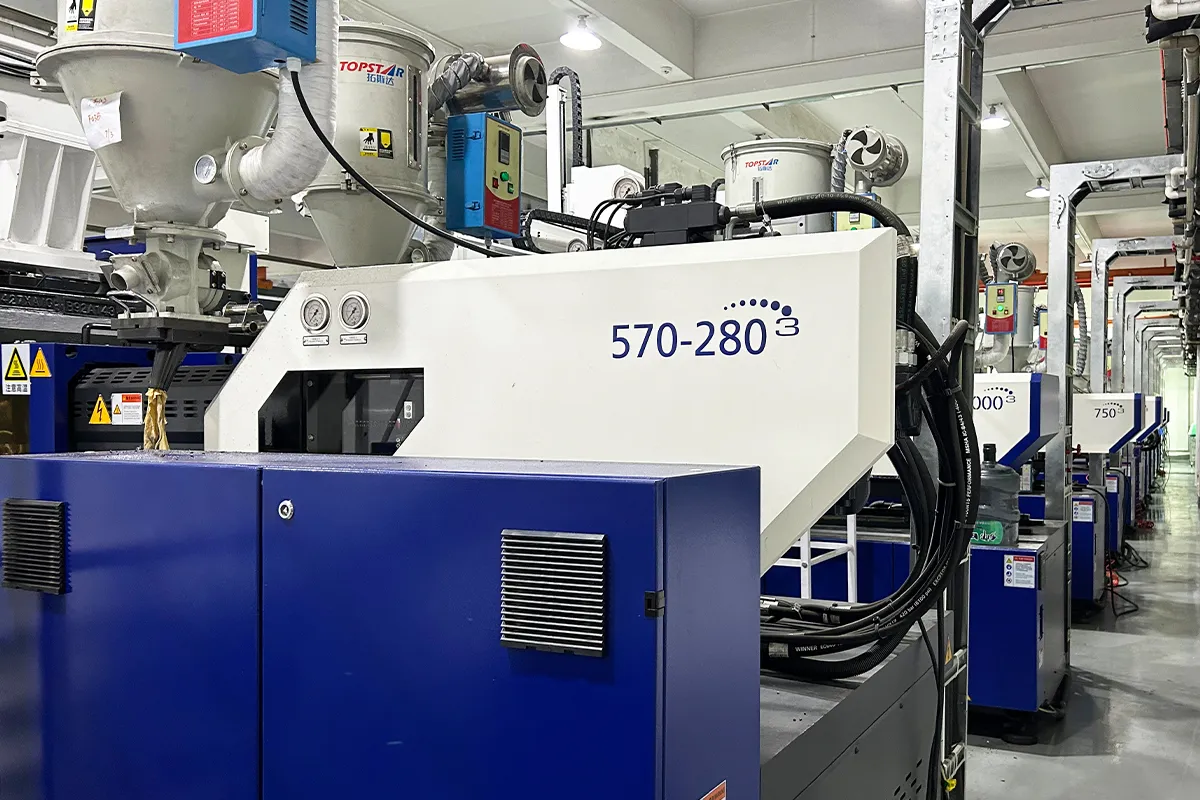
| Recyclers | Any pack, including damaged or fully degraded ones | Discharge, dismantle and recover the metals inside |
| Dealers and makers | The old pack from a replacement job | Take it back through their own return chain when a new pack is fitted |
Notice who is missing: private buyers. A traction pack is heavy, high-voltage equipment, so the trade runs between businesses with the equipment to move and test it.
What Sets the Price
- Tested health. Buyers grade a pack by its measured remaining capacity. A health report, produced with the methods in how to check EV battery health, is the document the price hangs on.
- Chemistry and model. Packs differ in the metals they contain and in how easily they can be reused, so the same tested health can be worth different amounts in different models.
- Damage. Crash damage, water exposure or any sign of internal harm pushes a pack out of the reuse market and into the recycling route, at a lower value.
- Completeness. A complete pack with its housing and electronics intact is easier to test and resell than a partial one.
FuelEconomy.gov cites battery life of 12–15 years in moderate climates and 8–12 in severe ones, which is why age alone is a poor guide: a ten-year-old pack from gentle use can test better than a younger one that was worked hard. Expect any figure you are quoted to follow the test result, and treat general price claims with suspicion — the spread between models and conditions is wide, as battery degradation rates themselves vary.
When the Pack Is Not Yours to Sell
- Warranty replacements. If a dealer fits a new pack under warranty, the old one normally goes back to the manufacturer through the return chain. It was never offered to you, and it is not yours to sell.
- Written-off cars. After a total-loss settlement, the insurer owns the car and its pack. The pack moves through the salvage chain, not through the owner.
- Leased batteries. A small number of cars were sold with the battery leased separately. On those, the pack belongs to the leasing company and returns to it.
Handle It as High-Voltage Equipment
Never open a pack, and never try to remove or ship one yourself. Selling a pack means contacting a specialist buyer or the manufacturer and letting them arrange assessment, collection and transport. If the pack is damaged, treat it as a possible fire risk and ask your insurer or the manufacturer for a licensed handler rather than storing it at home. The replacement and repair routes themselves are set out in whether an EV battery can be replaced or repaired.
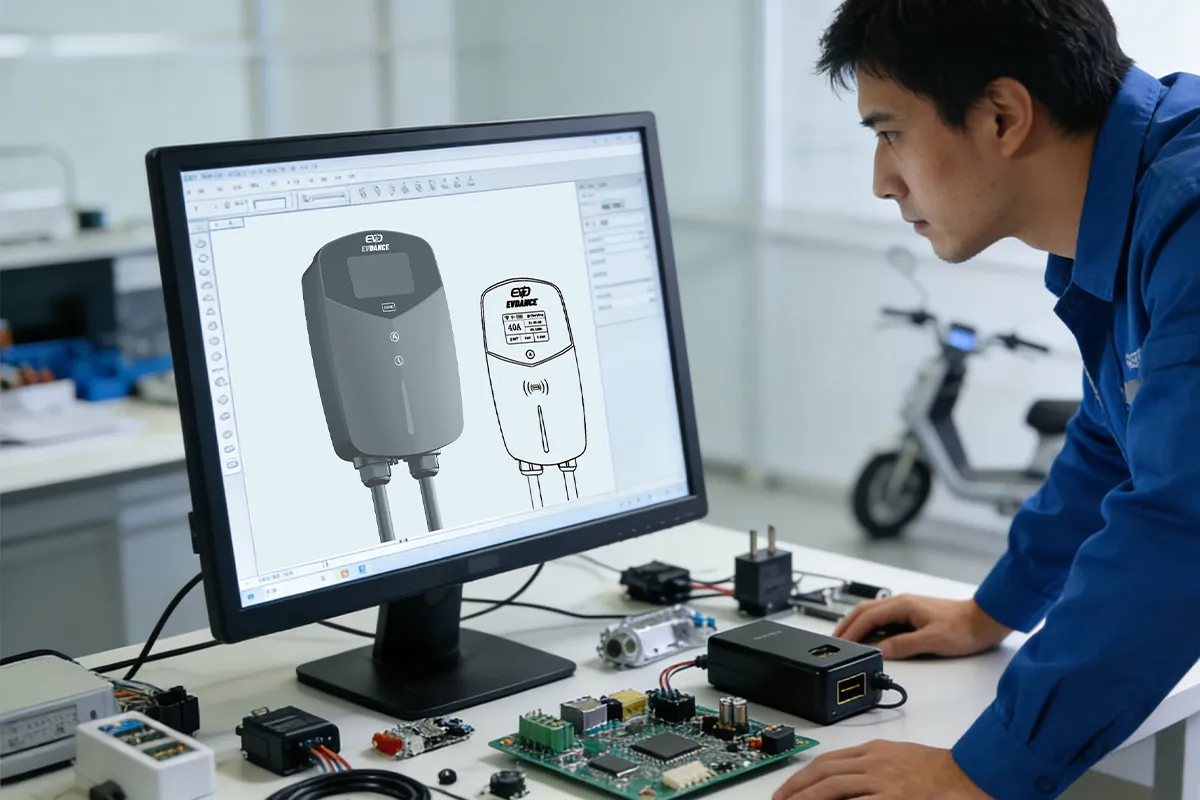
The best way to raise a pack’s eventual value is a long, gentle first life: mostly slow AC charging at home. A portable unit such as the EVDANCE EV-ACS4005T 40A NACS portable charger (9.6 kW, NEMA 14-50P, IP66) covers daily charging without leaning on fast chargers, and the residential charging range covers fixed installations.
Frequently Asked Questions
Can I sell my old pack privately, like a set of wheels?
No. A traction battery is high-voltage, far too heavy to move without lifting equipment, and needs specialist handling and transport. Sales go through firms equipped for that, which is also where the testing that sets the price happens.
Is a fully worn-out pack worthless?
Not necessarily. A pack that can no longer store useful energy still contains recoverable metals, so recyclers may pay for it — but far less than a reusable pack, and the amount varies by chemistry and condition. There is no standard figure.
Do I need a health report before I can sell?
In practice, yes — or the buyer will run their own test and price from that. Arriving with a credible, recent health report speeds the grading and avoids disputes about what the pack can still do.
Related Reading
- Can an EV Battery Be Replaced or Repaired?
- How to Check EV Battery Health
- Does an EV Battery Degrade Over Time?

