
A contactor is a heavy-duty, electrically controlled switch inside the battery pack that connects the high-voltage battery to the rest of the car — or disconnects it completely. The clunk you hear when the car wakes up, starts or begins a charge is often a contactor closing. It is a safety device first: with the contactors open, the pack is isolated and the car’s high-voltage wiring is dead.
Key Takeaways
- A contactor is the pack’s main switch: closed, the battery is connected; open, the system is isolated and safe.
- The clunk at start-up and at the start of a charge is normally a contactor closing — a sign the checks passed.
- The battery management system commands contactors; the manual service disconnect is a separate, workshop-only device.
- Repeated clicking with a car that will not start or charge is a workshop diagnosis, and a flat 12-volt battery can prevent the contactors from closing.

What the Contactor Does All Day
Unlike a fuse, which works once, a contactor opens and closes many thousands of times under the car’s control:
- Start-up. When you power on, the contactors close and the pack connects to the motor and systems. A brief pre-charge step lets voltages settle before the main connection takes the load.
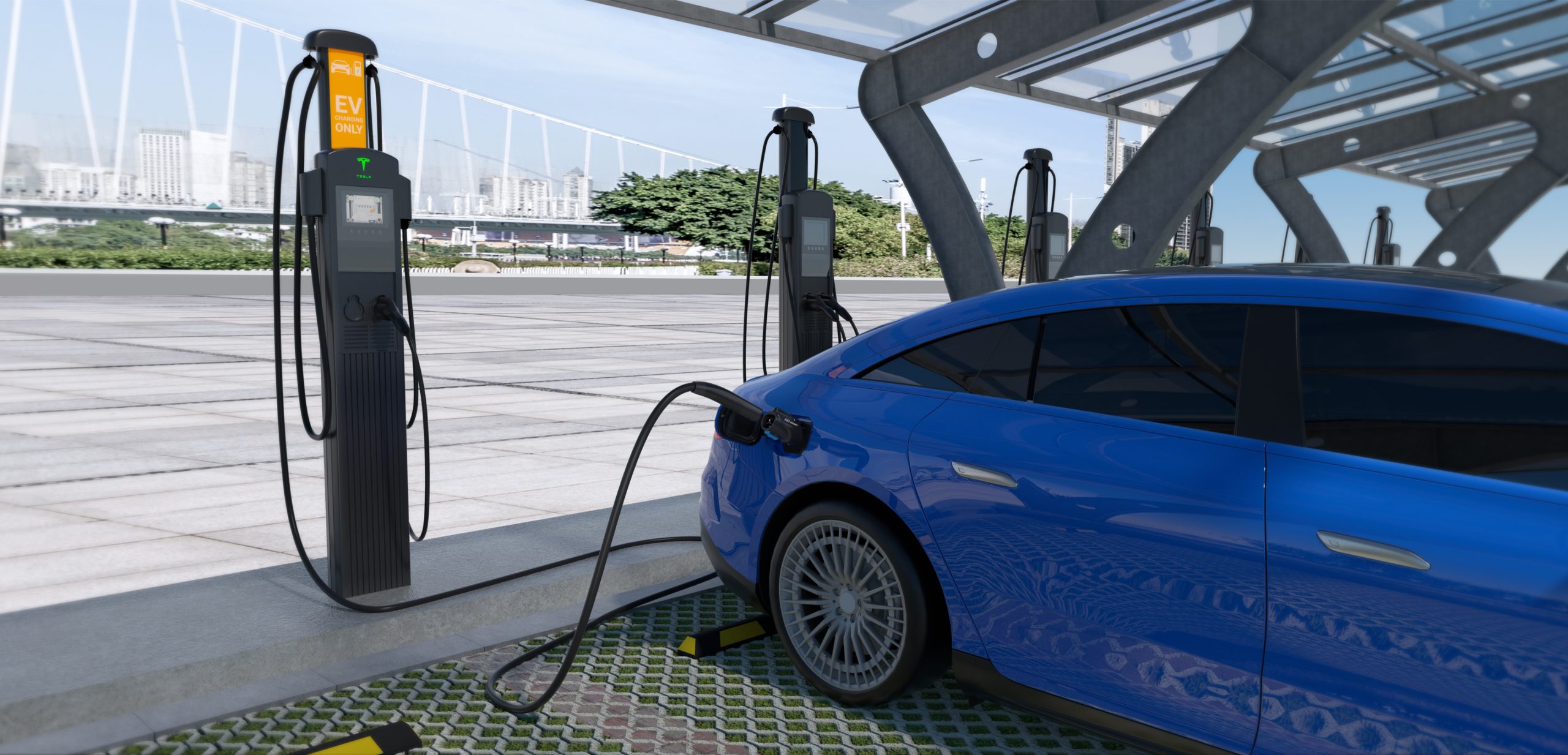
- Charging. Plugging in wakes the car, and a contactor connects the pack to the charge port — at home on AC, or at a DC station, which has contactors of its own.
- Shutdown and sleep. When the car shuts down, the contactors open again, isolating the pack while it sleeps.
- Faults and crashes. If the car’s systems detect a serious fault or a collision, the contactors are commanded open to cut the high-voltage supply.
| Moment | What you may hear | What is happening |
|---|---|---|
| Unlocking or waking the car | A single clunk | Contactors closing to connect the pack |
| Starting a charge | A click from the car, often one from the charger too | Both sides connect their circuits once the handshake passes |
| End of charge or shutdown | A softer clunk | Contactors opening; the pack is isolated again |
| Repeated clicking and no start | Clicking that cycles without success | The car is failing to connect — a fault to have diagnosed |
How It Differs From Its Neighbours
Three parts are easily confused. The battery management system is the decision-maker: it watches the cells and commands the contactors. The contactor is the muscle: a physical switch that carries the full pack current. The service disconnect is different again — a manual isolator a technician removes before working inside the pack. The contactors are powered by the car’s 12-volt system, which is why a flat 12-volt battery can leave a car with a full main pack unable to start: the switches never get the signal to close, as our article on whether charging an EV charges the 12V battery explains.
When a Contactor Needs Attention
A single clunk at wake-up or at the start of a charge is normal. The patterns worth a workshop visit are different: repeated clicking while the car refuses to start or charge, a car that will not ready-up despite a charged pack, or battery fault warnings that keep returning. Diagnosis belongs to a qualified workshop — contactors live inside the sealed pack, with no owner-level check or replacement. Our guide to checking EV battery health covers the owner-level checks that do exist, and our article on battery replacement and repair explains what pack-level work involves when a component inside fails.
The Charger Has Switches Too
Charging equipment uses the same idea at its own scale: relays inside a home charger connect the supply to the cable only once the car is plugged in and the checks pass, which is why a session starts with a click from the wall too. The EVDANCE EV-ACT5006T 48A Level 2 wall charger and the portable EVDANCE EV-ACS4005T 40A NACS portable charger both keep the outlet side dead until the car asks for power — the reason an EV cable is safe to handle between sessions.
Frequently Asked Questions
Is the clunk when I start my EV normal?
Yes. A single clunk as the car wakes, starts or begins charging is the contactors connecting the pack. It is the sound of the safety isolation being lifted, under the car’s control.
Can a contactor wear out?
Contactors are rated for many operations, but like any switch carrying heavy current they can eventually fail or stick. There is no service interval and no owner test; failure shows up as a car that will not start or charge, diagnosed in a workshop.
Why won’t my EV start when the main battery is full?
One common cause sits outside the pack: the contactors are powered by the 12-volt battery. If it is flat, the switches cannot close and the full main pack stays isolated. Jump-starting or replacing the 12-volt battery, per the maker’s instructions, is the usual first fix.
Related Reading
- Does Charging an EV Charge the 12V Battery?
- How to Check EV Battery Health
- Can an EV Battery Be Replaced or Repaired?
- Can You Leave an EV Charging Overnight?

