
Usually, yes — for damage. A traction battery is treated as part of the car, so if a covered event damages it — a collision, a fire, a flood — the claim runs through your car insurance, and a specialist assessment decides whether the pack is repaired or replaced. What insurance does not cover is the battery wearing out: gradual capacity loss is not an insured event. That side belongs to the manufacturer’s warranty, and often to nobody. Where your policy draws the line is in its wording — ask the insurer.
Key Takeaways
- The battery is part of the car for insurance: damage from a covered event is an insurance claim.
- Wear and gradual capacity loss are never an insured event — that side is warranty territory, or nobody’s.
- A specialist assessment comes first after any pack damage; repair, replacement or write-off follows from it.
- Ask your insurer about battery exclusions and approved repairers before you need them — and keep your charger paperwork.
The Split That Decides Everything
Every battery problem falls on one side of a single line: something happened to it, or it simply aged. Insurance answers the first kind; it has never answered the second.
| Situation | First port of call | Why |
|---|---|---|
| Collision damage to the pack | Your car insurance | Damage from an event is what vehicle cover exists for; a specialist inspection decides repair or replacement |
| Fire, flood or theft affecting the battery | Your car insurance, if your policy includes those events | Same logic — an event, not wear; the exact events covered are your policy’s wording |
| A defect in the pack | The manufacturer’s warranty | Defects are the maker’s responsibility, not an insurance claim |
| Gradual capacity loss with age and use | Usually nobody | Wear is not an insured event; a warranty responds only where the loss crosses the warranty’s own terms |
That last row is the one owners most often get wrong. A battery that has slowly lost range has not suffered an insurable loss — and, as our explainer on whether an EV battery degrades over time sets out, gradual loss is the normal behaviour of the chemistry. Warranty and insurance are different instruments: one answers for how the pack was made, the other for what happened to it.
How a Battery Claim Actually Proceeds
Expect an inspection before any decision. A pack is a sealed high-voltage system, so after underbody or collision damage the car goes to an approved repairer who can assess it safely — nobody quotes pack damage from photographs. The assessment then drives the outcome: module-level repair where the damage is local, replacement where it is not, or a write-off decision if the repair bill outruns the car’s value. The routes themselves are covered in our overview of whether an EV battery can be replaced or repaired; the insurance point is that the choice after an event is made inside that process, with the insurer paying under your policy — not priced with you beforehand.
Questions Worth Asking Your Insurer
- Is the traction battery covered as part of the vehicle, or does my policy carry battery-specific exclusions or conditions?
- Which approved repairers would assess pack damage — is there one within a sensible distance of me?
- If the pack has to be replaced, how is it valued — new part, or adjusted for the age of the car?
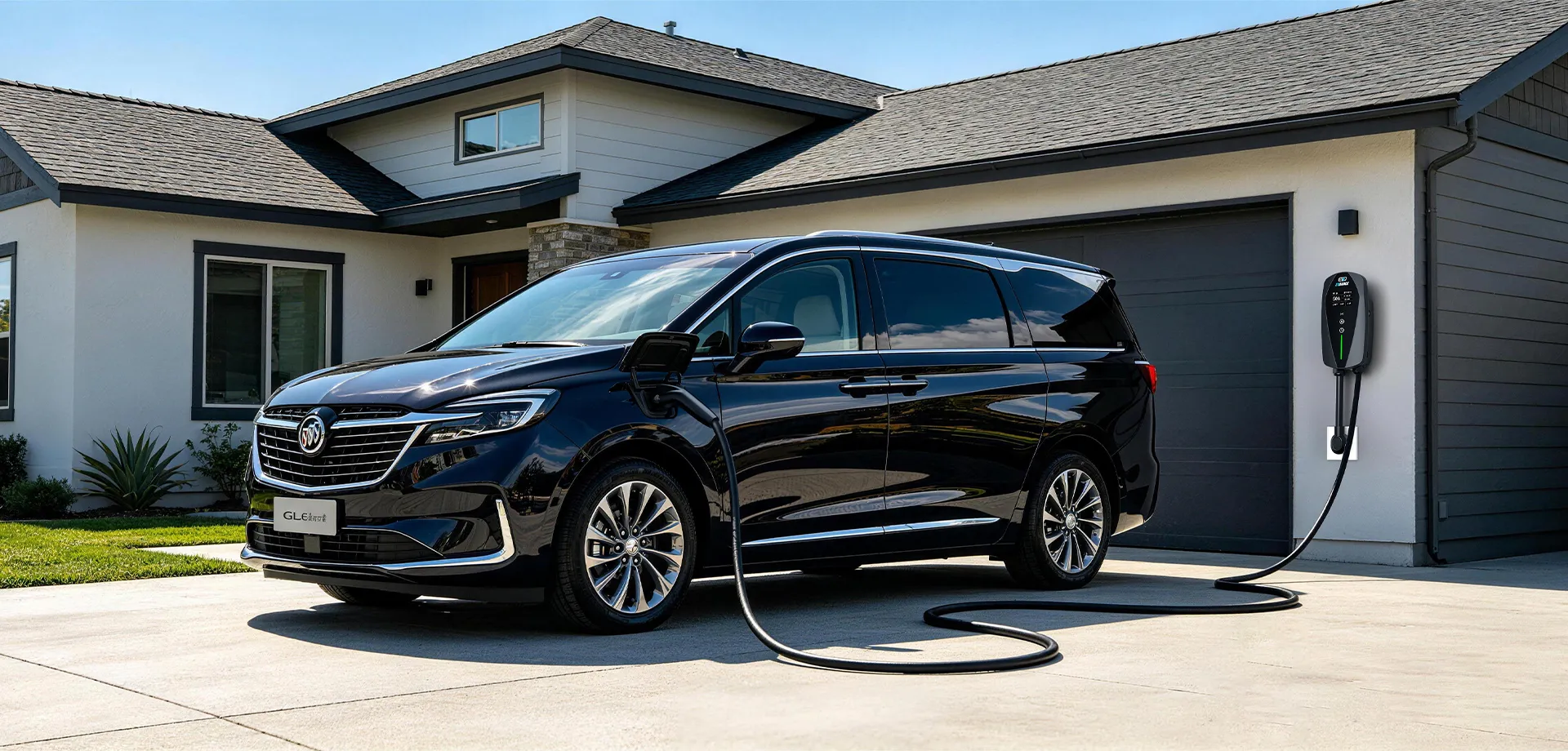
- What about the charger at home? A wall charger belongs to your home’s setup rather than the car — tell your home insurer it is there, and keep the installation paperwork.
Paperwork is the thread through all of it. Listed equipment, professionally installed and documented, is the version of EV ownership that gives an insurer nothing to argue with: a certified unit such as the EVDANCE EV-ACT5006T 48A Level 2 wall charger (ETL/FCC/CE), fitted by a licensed electrician with the paperwork kept, is the standard to aim for.
Frequently Asked Questions
Will insurance pay for a new battery when mine has worn out?
No. Wear and gradual capacity loss are not insured events on any normal policy. If the loss is abnormal for the car’s age, that is a warranty conversation with the manufacturer — a different route with different tests.
If a crash damages the pack, is the car automatically written off?
Not automatically. It depends on the specialist assessment and the car’s value: local damage may be repaired at module level, and only where repair costs outrun value does a write-off follow. Expect the inspection to come before the answer.
How long does an EV battery last, insured or not?
FuelEconomy.gov estimates 12–15 years in moderate climates and 8–12 in severe ones. Most packs will outlast the question — which is why the insurance conversation is about accidents, not ageing.
Related Reading
- Can an EV Battery Be Replaced or Repaired?
- Does an EV Battery Degrade Over Time?
- How to Check EV Battery Health
- Can I Have an Electric Car Charger at Home? Houses, Rentals and Condos

