
A plug-in hybrid — PHEV for short — is a car with two fuel sources: a rechargeable battery with an electric motor, and a petrol engine with a fuel tank. You charge the battery from a socket, like an electric car, and drive daily trips on electricity. When the charge runs low, the engine takes over and the car carries on like a regular hybrid until you plug in again.
Key Takeaways
- A plug-in hybrid has a rechargeable battery and motor plus a petrol engine and tank — two fuel sources in one car.
- The plug is the definition: the battery, typically about 10–25 kWh, is filled from the grid, and the onboard charger caps charging at roughly 3.3–7.4 kW on most models.
- It drives as an EV while charged and as a regular hybrid once the battery is spent.
- Home charging is undemanding: most refill overnight on a standard outlet, with Level 2 for faster turnarounds.
The Parts, and What Each One Does
| Part | Its job |
|---|---|
| Battery pack | Stores electricity from the grid. Typically about 10–25 kWh — far smaller than a full EV’s pack, but big enough for real daily trips, not just assistance. |
| Electric motor | Drives the wheels on its own at ordinary speeds, and helps the engine when more power is needed. |
| Petrol engine | Drives the car once the battery is spent, and can generate electricity on the move to hold the battery’s level. |
| Charge port and onboard charger | The plug-in half. The onboard charger converts wall power into battery power and caps charging speed — on most plug-in hybrids at about 3.3 to 7.4 kW. |
| Fuel tank | Stores petrol for the engine, giving the car its long-distance range once the charge is used. |
The car is an EV until the battery is spent and a hybrid afterwards, switching between the two automatically. Regenerative braking feeds some energy back on the move, but only the plug fills the battery fully.
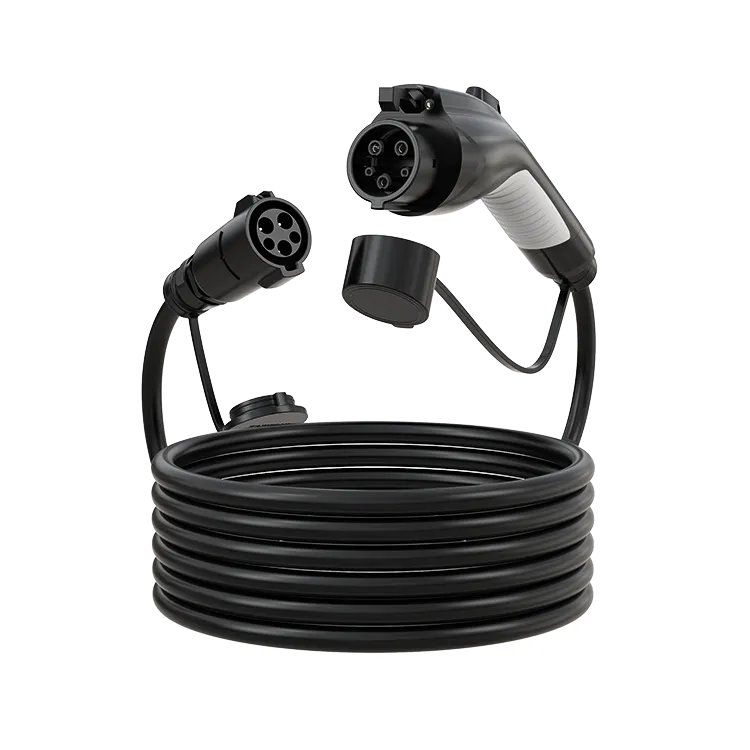
The Charging Side: The Half That Makes It a Plug-In
The port is what separates a plug-in hybrid from a regular one. A regular hybrid has no socket at all: its small battery refills only from the engine and braking. A plug-in hybrid’s larger battery is built to be filled from the grid, and that grid energy is the cheap fuel the design exists to use.
The routine is gentle: most refill completely overnight on a standard household outlet, because the battery is small and the onboard charger modest. Level 2 shortens that to a few hours for drivers who top up between trips. Most plug-in hybrids cannot use DC fast chargers at all — the comparison of Level 1, Level 2 and DC fast charging shows where each fits. Whether a dedicated charger is worth buying for one is a separate question, answered in our guide to whether a plug-in hybrid needs an EV charger.
How It Differs From Its Two Neighbours
Against a regular hybrid, the difference is size and source: a bigger battery, filled from the grid, that can power ordinary trips alone. Against a battery-electric car, the difference is the engine and tank: no range anxiety and instant refuelling on long days, at the price of carrying and servicing an engine you may rarely use. The one-line test: if it has a plug and a filler cap, it is a plug-in hybrid.

Charging One at Home
Because the onboard charger sets the pace, home equipment for a plug-in hybrid is about convenience, not power. The EV-AC04001U 40A J1772 portable charger offers up to 9.6 kW from a NEMA 14-50 outlet; the car simply takes the rate its onboard charger allows. Drivers who expect a full EV later often install a wall charger such as the EV-ACT5006T 48A wall charger once and use it for both cars. More setups are on our residential EV charging page.
Frequently Asked Questions
Does a plug-in hybrid have to be plugged in?
No. It will run as a petrol hybrid on an empty battery. But plugging in is the entire point of the design — uncharged, it is a heavier hybrid carrying a battery it is not using.
Can a plug-in hybrid drive on electricity alone?
Yes. That is its normal mode while the battery has charge, at ordinary road speeds. The engine joins in when the charge is spent, when the driver demands hard acceleration, or in some cars for cabin heating in cold weather.
Is a plug-in hybrid the same as a self-charging hybrid?
No. “Self-charging” is marketing language for a regular hybrid, which has no plug. A plug-in hybrid is defined by the socket: if the car cannot be plugged in, it is not one.
Related Reading
- Do I Need an EV Charger for a Plug-In Hybrid?
- Level 1 vs Level 2 vs DC Fast Charging: A Practical Comparison
- Do I Need an EV Charger at Home?
- What Is EV Battery Preconditioning?

