
There is no honest figure for how many miles an EV battery lasts, because battery life is not measured in miles. The U.S. Department of Energy frames it in years: on FuelEconomy.gov, EV batteries may last 12–15 years in moderate climates and 8–12 years in severe climates. The odometer is the wrong ruler — two cars with identical mileage can have batteries in completely different condition.
Key Takeaways
- Battery life is quoted in years — 12–15 in moderate climates, 8–12 in severe ones — not in miles.
- Years, charge cycles and climate age a battery; mileage drives only part of one clock.
- Judge a specific battery by its state of health, not by the car’s odometer.

The Three Clocks That Actually Age a Battery
A battery wears out on three clocks at once, and mileage drives only one of them:
- Calendar time. The chemistry ages whether the car moves or not. A low-mileage car that is ten years old has a ten-year-old battery.
- Charge cycles. Each full cycle of discharge and recharge adds wear. Mileage correlates with cycles only loosely — a car charged in small daily top-ups and a car run flat weekly can cover the same miles with very different cycle histories.
- Climate. Heat is the accelerant, which is why the DOE’s lifespan ranges split by climate rather than by distance.
Our article on whether an EV battery degrades over time walks through how this wear shows up as slowly shrinking range.
Same Odometer, Different Battery
Consider two cars, both showing the same mileage — an illustration, not data. One reached it in five years of long daily motorway driving in a hot climate, charged hard and often. The other reached it over twelve years of short trips in a mild climate, charged gently at home. Same number on the dash; the second battery has lived a far easier life on two of the three clocks. This is why converting a lifespan in years into a lifespan in miles — by assuming an annual mileage — produces a number that looks precise and means almost nothing. Anyone quoting you a single miles figure for battery life has hidden an assumption inside it.
| Ruler | What it measures | What it misses |
|---|---|---|
| Odometer miles | Distance the car has travelled | Time, climate, and how the battery was charged along the way |
| Years | Calendar ageing | How hard the battery worked in those years |
| Charge cycles / state of health | Actual wear on the pack | Nothing about the rest of the car — it is the battery-specific measure |
What to Check Instead of the Odometer
If you are judging a specific car — usually a used one — skip the mileage conversion and ask for the battery’s own numbers:
- State of health. Many cars report the battery’s remaining capacity as a percentage of original, in the car or via a dealer or specialist check. That figure is the battery’s real age.
- Remaining range on a full charge, compared with the car’s original rating. A rough cross-check on the state-of-health figure.
- Charging history, if the seller can show it. How the car was charged matters — our pieces on DC fast charging and degradation and whether Level 2 charging shortens battery life explain which habits wear a pack faster.
- The battery warranty paperwork. What remains of the manufacturer’s battery warranty tells you how the maker itself prices the risk on that pack.
Habits That Slow the Clocks
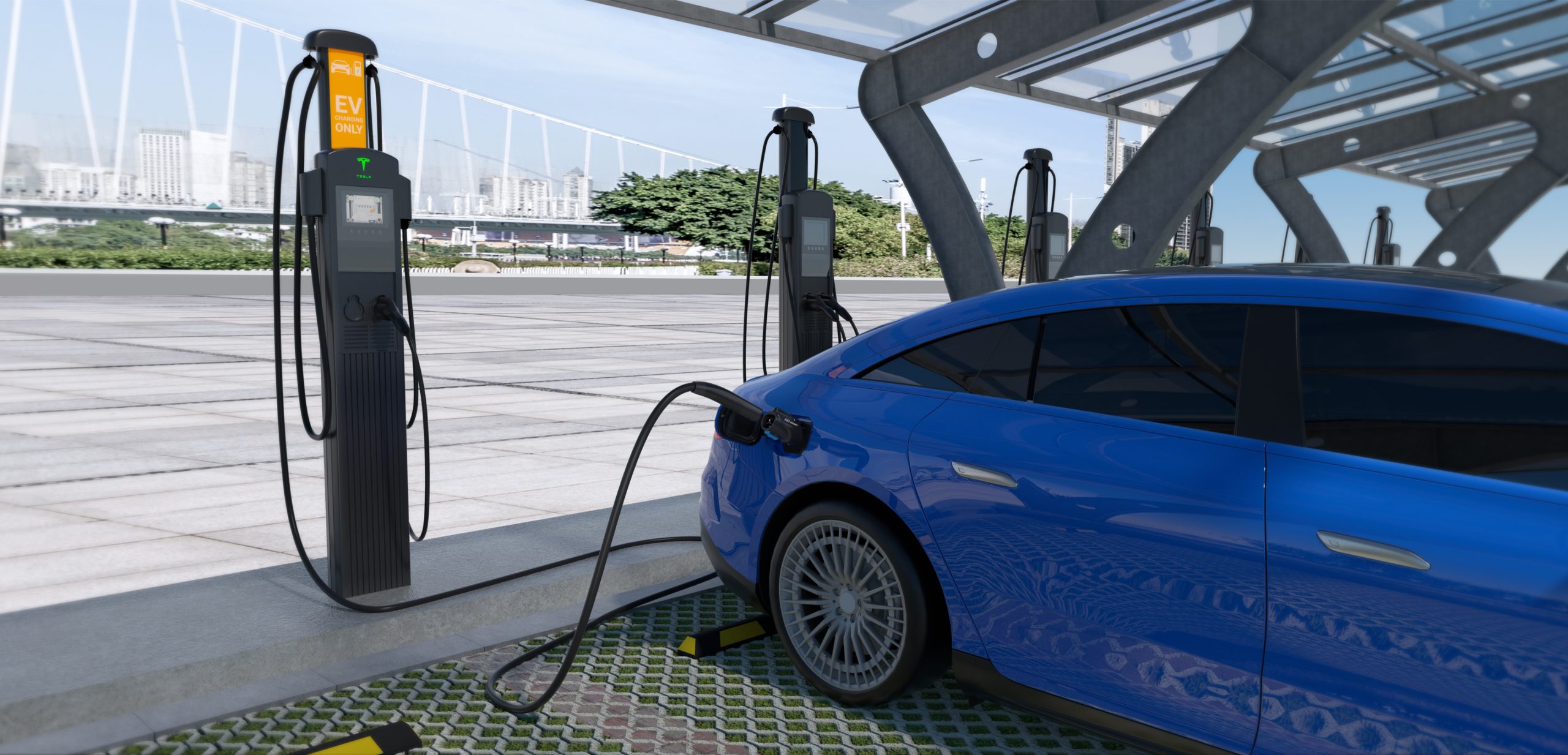
You cannot stop calendar ageing, but you can avoid accelerating the other clocks: charge at home on AC for routine use, keep fast charging for trips, and avoid leaving the car sitting full or empty for long stretches in hot weather. The chargers that support that pattern are ordinary home units — the EV-ACS3210T portable (32 A, about 7.7 kW, adjustable in six steps) for flexible charging, or the EV-ACT5006T 48 A wall charger for a fixed home point. The U.S. DOE’s home charging guidance covers the same routine-charging pattern.
Frequently Asked Questions
So how long will my EV battery last, in plain terms?
In years: the DOE’s ranges are 12–15 years in moderate climates and 8–12 years in severe climates. For most owners that outlasts their time with the car — which is exactly why the answer is given in years and not miles.
Does a high-mileage EV automatically have a worn-out battery?
No. High mileage in a short time in a mild climate, with gentle charging, can leave a pack healthier than a low-mileage pack that spent a decade in extreme heat. Ask for a state-of-health reading instead of guessing from the odometer.
Can I work out battery life from the warranty?
The warranty tells you the minimum the manufacturer stands behind, not the expected life. Treat it as a floor for your planning, and the DOE year ranges as the broader expectation.
Related Reading
- Does an EV Battery Degrade Over Time?
- Does DC Fast Charging Degrade the Battery?
- Does Level 2 Charging Shorten Battery Life?

