
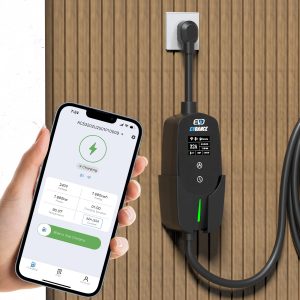
Cybersecurity Requirements for EV Chargers: EN 18031 and Beyond
EN 18031 is the European cybersecurity standard family for radio equipment. For a connected charger, which parts apply is settled per model, with a lab.
EN 18031 is the European cybersecurity standard family for radio equipment. For a connected charger, which parts apply is settled per model, with a lab.
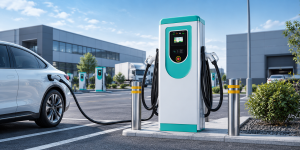
Billing drivers per kWh puts the charger’s meter under metering law: MID in the EU framework, Eichrecht in Germany. What each demands is confirmed, not assumed.

There is no list price for certifying a new EV charger model. Cost is built line by line in a lab quotation — here are the drivers that set it and how to compare quotes.
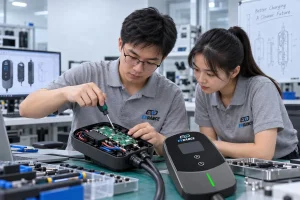
No sourced ‘typical’ certification timeline exists. The clock is set by your route, your file and the lab’s queue — here is how the steps add up by market type.

A certificate stays valid only while its own conditions hold. A per-model register read from your documents — plus a watch on standard updates — keeps chargers compliant.

Product certification proves the charger; installer certification proves the person. A project needs both files — here is what each covers, and what breaks when one is missing.
Choose a test lab by acceptance, not logo or headline price: recognition for your scheme and standard, scope over your variants, and quotes you can compare line by line.

An OZEV-approved listing is a grant-scheme decision, not a product badge. What the list means for manufacturers, and why the current list is the only version that counts.
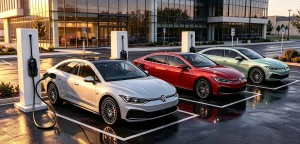
Irish grant eligibility for chargers is decided by the Irish authority’s current published requirements, not by UK lists. How suppliers check a model’s position, in writing.
No honest table can print an EV charger duty rate for every market. Duty is set by classification, origin and date — here is the determination table importers actually use.