
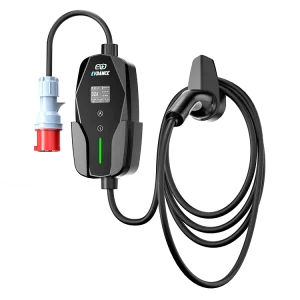
How Do Construction Sites Charge Electric Machinery?
Construction sites charge electric machinery from their own temporary supply: fixed yard points, portable chargers on site sockets, or a mobile unit. Who owns each part.
Construction sites charge electric machinery from their own temporary supply: fixed yard points, portable chargers on site sockets, or a mobile unit. Who owns each part.
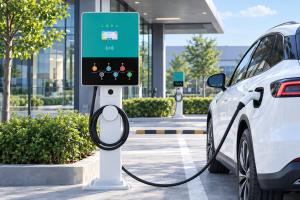
A mobile charging unit is a self-contained charger on wheels or a skid: it carries its own battery and delivers DC charging wherever a fleet needs it, no fixed installation required.
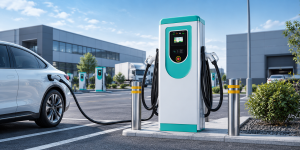
Fleets plan around peak prices in two moves: read the tariff’s shape, then shape the load. Energy moves into cheap windows, the site’s peak is capped, and readiness rules both.
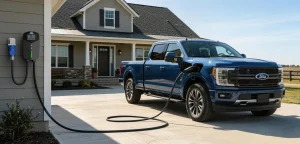
Opportunity charging fits a fleet only if its real dwells pass three tests: long enough, predictable enough, and at places a charger can live. How to run the test before buying posts.
Rental fleets charge on site between hires: AC rows do the bulk through the dwell, DC covers the fast turnaround, and the handover level is each company’s own policy.
No single figure exists: the utility connection and site works usually dominate a depot budget, chargers are often the smallest line, and phasing shapes the total.
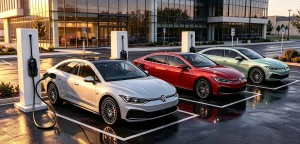
As of October 2026, fleet charging support sits in three layers — federal, state and utility make-ready. Amounts and deadlines live only in each programme’s current text.
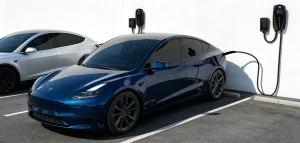
Fleet charger counts fail in the inputs, not the arithmetic. Audit daily energy, real dwell, accepted rate and simultaneity before you divide anything.
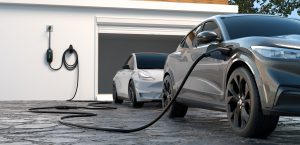
Connector fit, circuit match and cable reach decide whether a home charger works at all. Adjustable current and scheduling come next; certification and warranty close the list.
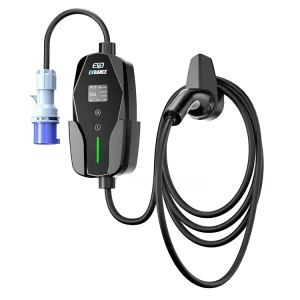
Neither wins in general. In three-phase homes 11 kW is a supply class; in North America the same choice reads as 32 A vs 48 A. Your supply, your car and your nights decide.