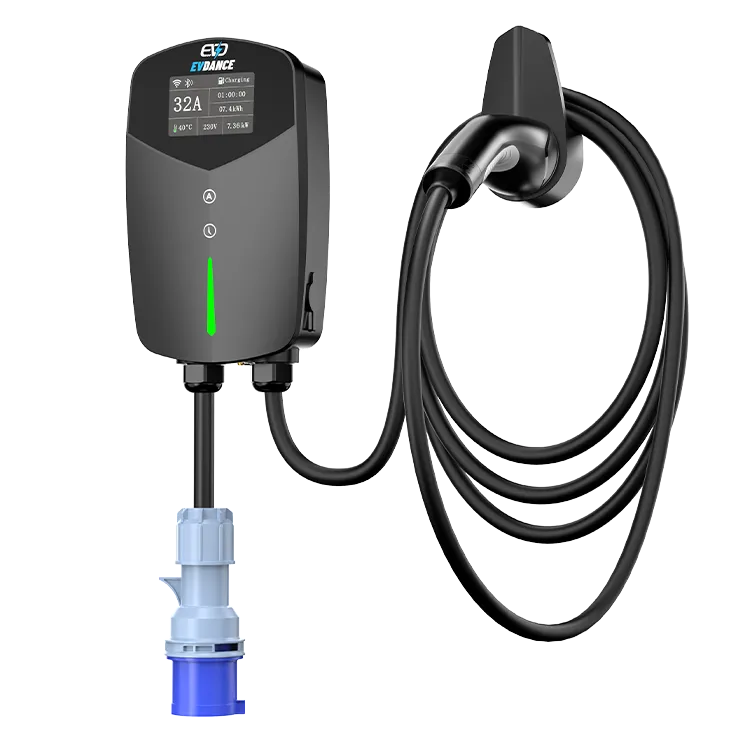
Public charging in the European Union has grown faster than EV sales. According to an analysis by Transport & Environment (T&E), published on July 20, 2026, the EU now has about 1.1 million public chargers, five times the number in 2020.
Key Findings
- About 1.1 million public chargers in the EU, five times more than in 2020.
- Installed capacity is 180% above the AFIR fleet-based target of 1.3 kW per battery EV.
- Malta is the only EU country below the target.
- 79% compliance with AFIR requirements on the TEN-T core network.
- Poland improved from 20% to 59% on the core network.
Where Gaps Remain
T&E estimates that about 70 more charging hubs are needed on the core network to meet AFIR requirements, including about 22 in Spain, 11 in Poland and 7 in Romania. T&E’s Lucien Mathieu commented on the findings in the analysis.
What It Means
With public charging ahead of targets, the focus is moving to motorway gaps, reliability and private charging at homes and workplaces. For AC equipment suppliers, residential, workplace and destination charging remain large segments. See our country pages for EU markets, including Spain and Poland.
Related Reading
- EV Charging News: BEVs Take 30.5% of August Sales Across 16 European Markets as Norway Hits 98.7%
- EV Charging News: Battery-Electric Cars Reach 20.7% of EU Registrations in the First Half of 2026
- CEE Plugs Explained: Choosing 16A or 32A for a Three-Phase Portable EV Charger
Key Takeaways
- The EU has about 1.1 million public chargers, five times more than in 2020.
- Capacity is 180% above AFIR’s 1.3 kW per BEV target.
- Malta is the only country below target.
- About 70 more hubs are needed on the core network.
Sources & Standards
- Transport & Environment — Charging infrastructure has far outpaced EV sales in all but one EU country (Jul 20, 2026)
- electrive.com — Only one EU country misses AFIR charging target (Jul 20, 2026)
- Regulation (EU) 2023/1804 — Alternative Fuels Infrastructure Regulation (AFIR)