Battery-electric cars accounted for 20.7% of new car registrations in the European Union in the first half of 2026, according to figures published by the European Automobile Manufacturers’ Association (ACEA) on July 23, 2026. One in five new cars sold in the EU is now fully electric.
Key Figures for January–June 2026
| Powertrain | EU registrations | Market share |
|---|---|---|
| Battery-electric (BEV) | 1,220,890 | 20.7% |
| Hybrid | 2,198,148 | 37.3% |
| Plug-in hybrid | 577,735 | 9.8% |
| Petrol and diesel combined | — | 29.7% (from 37.8% a year earlier) |
Total EU new car registrations rose 5.7% year to date. Across the EU, EFTA and the UK, 1,608,200 battery-electric cars were registered, up 35.1%.
Where Growth Was Strongest
ACEA reported BEV registration growth of 62.9% in France, 48% in Germany, 41.2% in Denmark and 8.2% in Belgium. France and Germany are two of Europe’s largest markets for Type 2 home and workplace chargers.
What It Means for Buyers
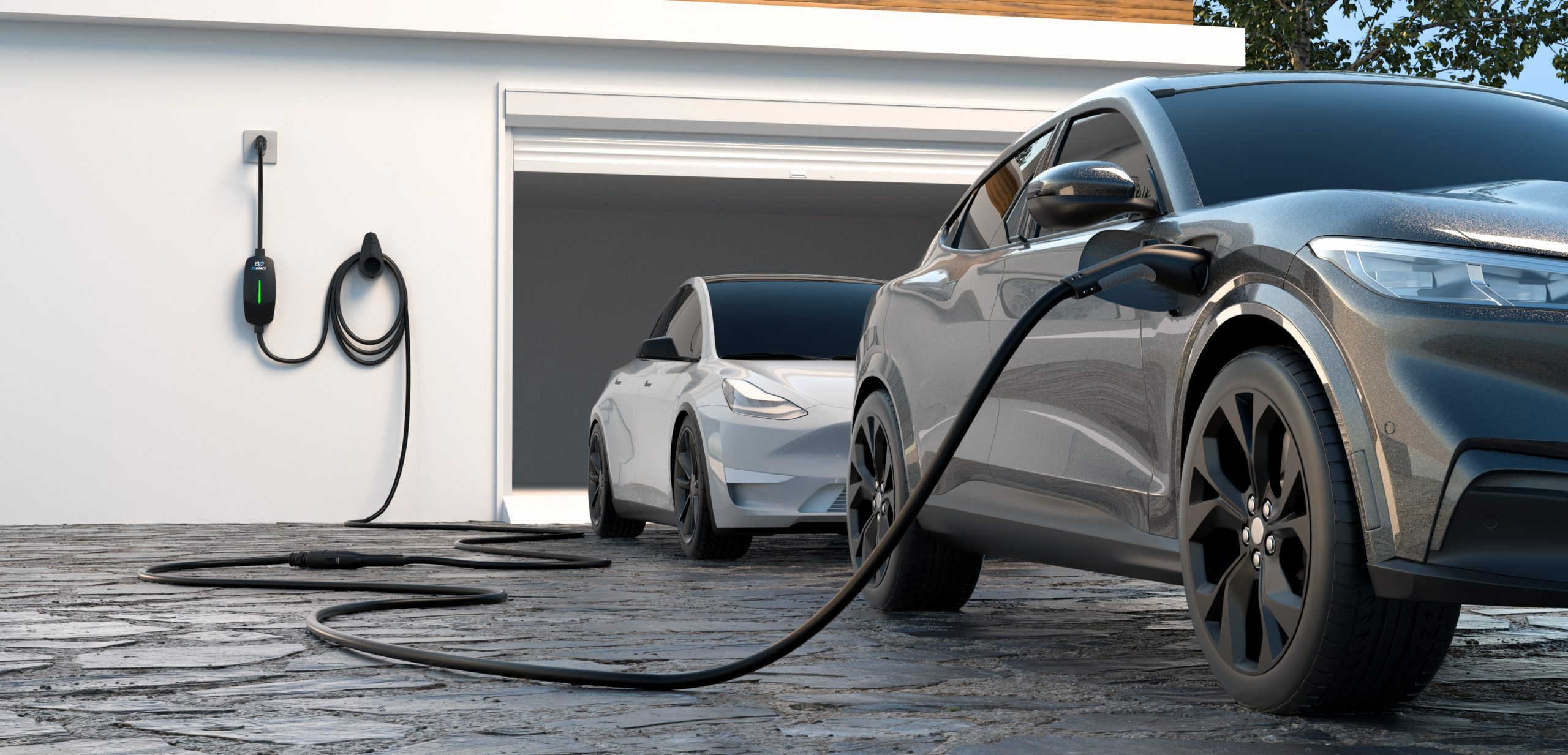
Every new battery-electric car creates demand for home, workplace or destination charging. For distributors in Europe, the strongest growth markets point to rising demand for 11 kW three-phase wallboxes in Germany and single- and three-phase chargers in France. See our Germany and France market pages.
Related Reading
- EV Charging News: Fastned Revenue Up 40% in H1 2026 as Utilisation Grows
- EV Charging News: Allego Commits €100 Million to UK Ultra-Rapid Charging
- Single-Phase vs Three-Phase EV Charging: 7kW, 11kW and 22kW Explained
Key Takeaways
- BEVs took 20.7% of EU new car registrations in H1 2026, according to ACEA.
- 1,220,890 BEVs were registered in the EU in six months.
- Petrol and diesel combined fell to 29.7% from 37.8%.
- France (+62.9%) and Germany (+48%) led BEV growth among major markets.
Sources & Standards