Millions of drivers live in apartments, condos and housing associations, where they cannot simply install a charger on their own wall. Shared parking brings three challenges at once: limited electrical capacity, fair billing between residents, and agreement among owners. The right hardware and planning solve most of them.
Challenge 1: Limited Electrical Capacity
A building’s supply was sized for lighting, lifts and apartments, not for dozens of cars charging at once. Rather than upgrading the connection immediately, most projects use load management: chargers share the available capacity and slow down automatically when the building’s demand is high. Because cars park overnight, even a modest average power per car is usually enough.
Challenge 2: Fair Billing
Residents want to pay only for their own charging. Common approaches include RFID cards per resident, app-based authorization, or chargers assigned to individual parking spaces with their own metering. OCPP-connected chargers make it possible to use a billing platform and change operators later.
Challenge 3: Agreement and Approvals
Rules vary widely. Some jurisdictions give residents a legal right to install a charger in shared parking; for example, Spanish property law allows an owner to install one after notifying the owners’ association, and California has “right-to-charge” rules for condominiums. Singapore requires LTA-approved chargers, and Malaysia requires an EVCS licence where charging is supplied to others. Our country pages summarize local rules.
A Practical Rollout Plan
- Survey residents to estimate demand over the next few years.
- Assess the building’s spare electrical capacity with an electrician.
- Install shared cabling or a busbar for future chargers, then add chargers as residents need them.
- Choose chargers with load management, RFID and OCPP.
- Agree the billing model before the first charger goes live.
Hardware for Shared Parking
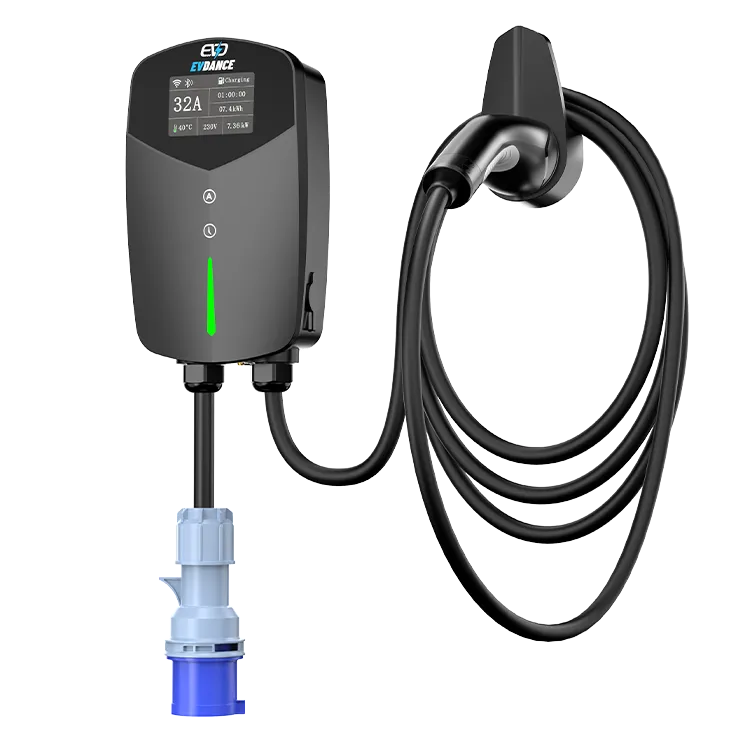
EVDANCE smart chargers support app control, scheduling and dynamic load balancing, and our commercial stations support OCPP 1.6J with RFID. See our apartment and condo charging solutions, or country guides for dense housing markets such as Singapore, Israel and Vietnam.
Related Reading
- Level 1 vs Level 2 vs DC Fast Charging: A Practical Comparison
- Fleet Depot Charging: How to Size AC Chargers for Vans and Light Commercial Vehicles
- EV Charging News: New Zealand Offers Zero-Interest Loans to Speed Up Charger Rollout
Key Takeaways
- Load management lets many chargers share a building’s existing supply.
- RFID, app authorization or per-space metering keep billing fair between residents.
- Local rules on rights to charge, approvals and licensing vary by country.
- Roll out in phases: survey demand, prepare cabling, add chargers as needed.
Sources & Standards
- IEC 61851-1 — Electric vehicle conductive charging system
- EVDANCE — Apartment and condo EV charging