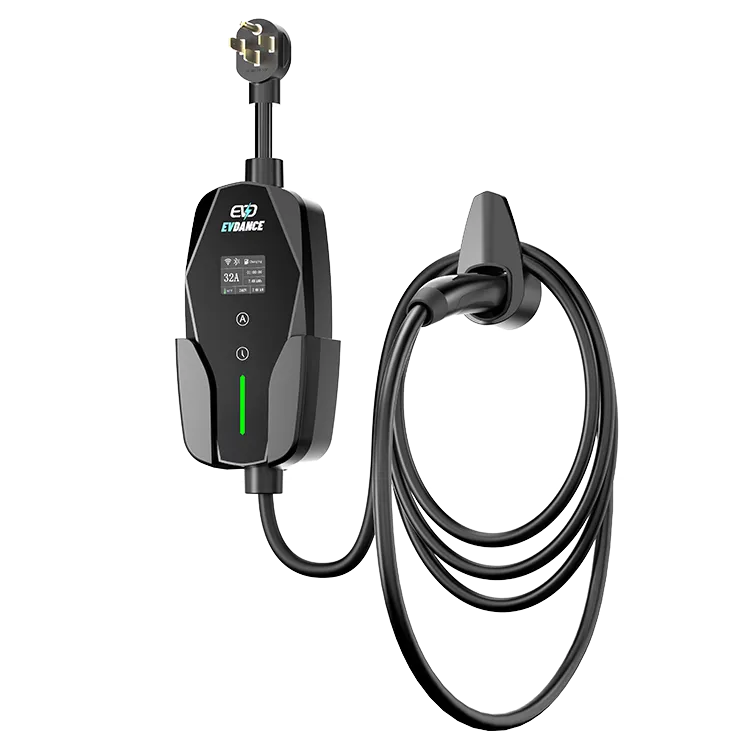
A sample order is the cheapest insurance an importer can buy. A few hours of structured testing can reveal problems that would otherwise surface as returns, one-star reviews and warranty claims after a full container has landed. This checklist is designed for distributors and brands without their own test lab.
1. Check Documents and Labels
- The model number on the rating label matches the certificates and test reports.
- The label shows voltage, current, frequency, IP rating and the manufacturer.
- The manual covers installation, the required upstream protection and safety warnings in your market’s language.
- Marks on the product match what the certificates actually cover.
2. Inspect the Build
- Check the fit of the housing, seals and cable glands.
- Pull gently on the cable at both ends to check strain relief.
- Inspect connector pins for burrs and correct plating.
- Check that the grid plug matches your market and the socket rating.
3. Test Charging on Real Vehicles
Charge the vehicles your customers actually drive, not just one test car. Run a full overnight session at the maximum setting and a session at each adjustable current. Confirm that the car reports the expected charging power and that the charger resumes correctly after a power cut.
4. Watch the Temperature
After an hour at full current, carefully check the grid plug, control box and vehicle connector. Warm is normal; too hot to hold is not. Pay special attention to the grid plug and socket, which are the most common hot spots in portable charging.
5. Test Protection Functions
With a suitable EV charger tester and a qualified person, check that the charger stops charging on an earth fault, responds to a disconnected earth and handles a residual current test. Confirm the 6 mA DC detection function if the product claims it.
6. Check Smart Features and Packaging
- Pair the app, update firmware and test scheduling if the model is smart.
- Drop-test the retail box from a realistic height.
- Check that the manual, accessories and warranty card are complete.
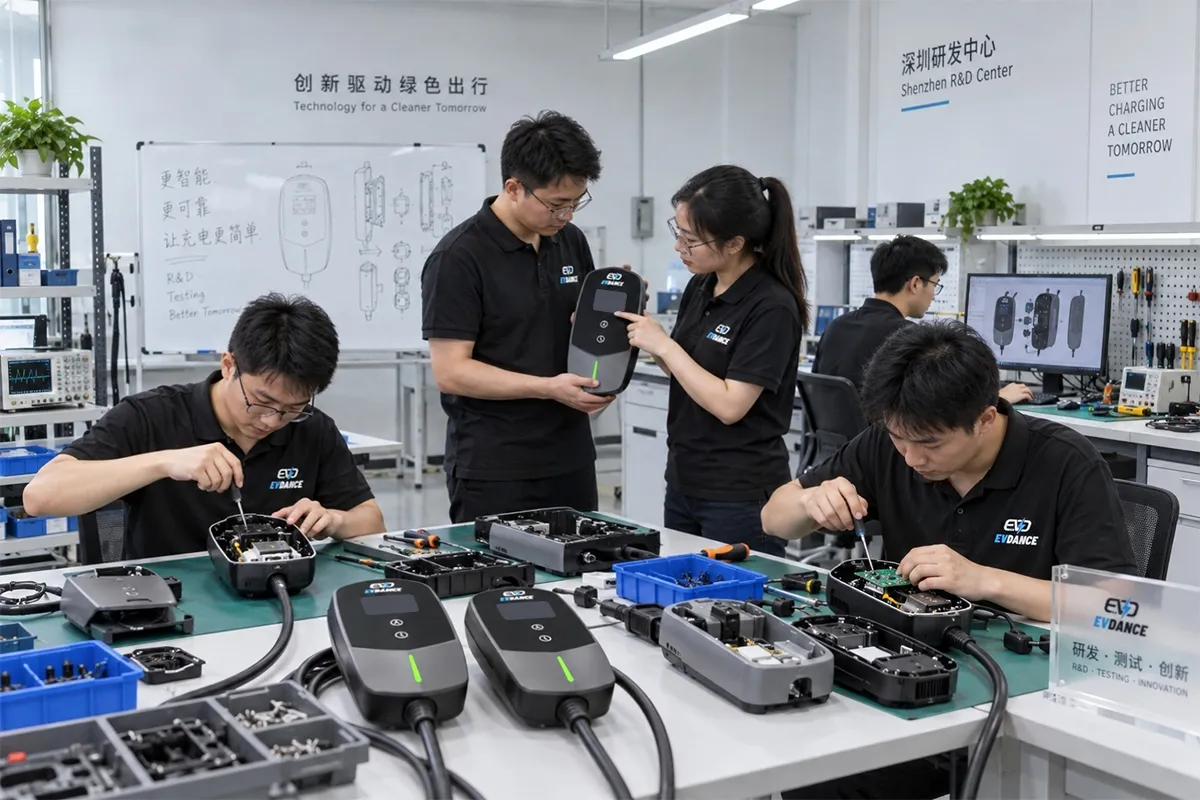
When you are ready, EVDANCE can supply samples of any model; our factory tour shows how our chargers are assembled and tested before they ship.
Related Reading
- OEM and Private-Label EV Chargers: A Complete Guide for Brands
- FOB vs DDP: How to Import EV Chargers From China Without Surprises
- Portable EV Charger Safety Guide 2026: NEC Rules, Extension Cords, and What to Avoid
- Portable EV Charger News: Why Extension Cords Are a Code Violation, Not a Workaround
Key Takeaways
- Match labels, certificates and manuals to the exact sample before testing.
- Test on the vehicles your customers drive, at every current setting, including overnight.
- Check temperatures at the grid plug, control box and connector after sustained charging.
- Verify protection functions with proper equipment and a qualified person.
Sources & Standards
- IEC 61851-1 — Electric vehicle conductive charging system
- IEC 62752 — In-cable control and protection device for Mode 2 charging
- IEC 62955 — Residual direct current detecting device (RDC-DD)