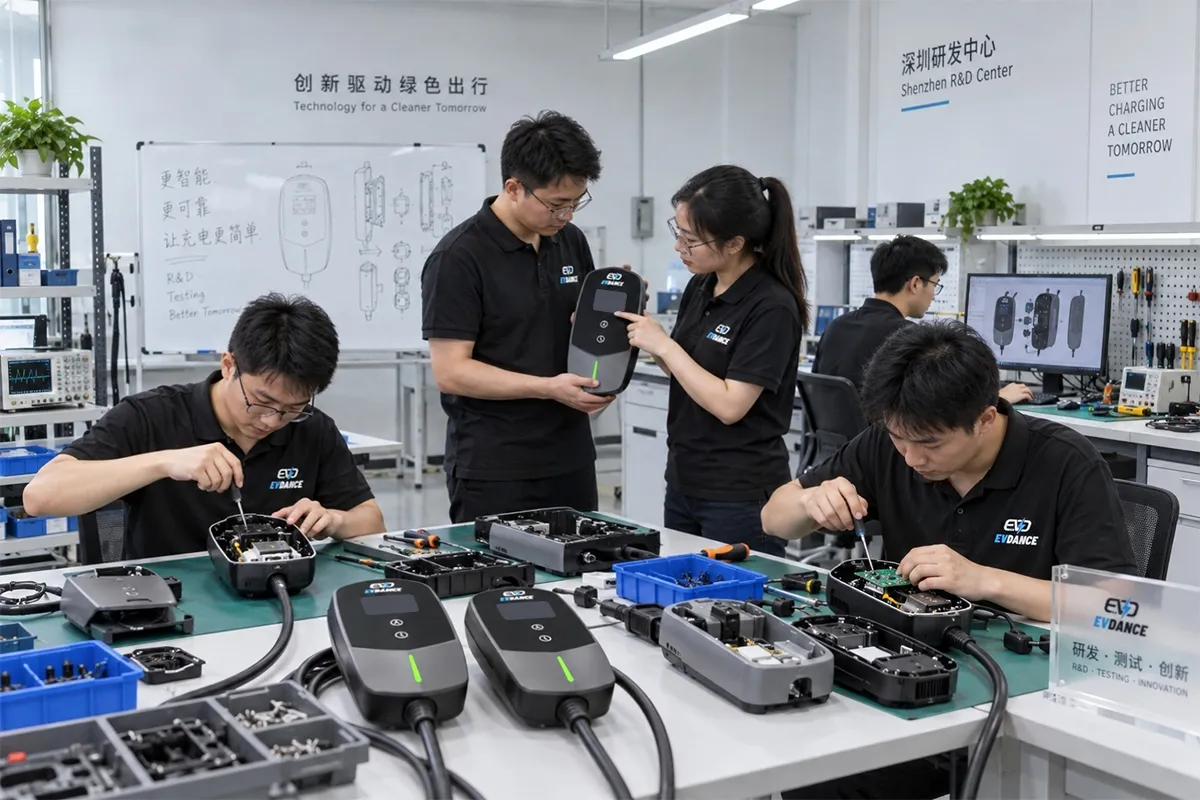
Most EV charging moves energy one way: from the grid into the car. Bidirectional charging lets the car send energy back out. It turns the battery into a portable power source, a home backup supply or even a resource for the grid. The idea is simple, but the technology, standards and rules are still developing.
Three Types of Bidirectional Charging
| Type | What it powers | What is needed |
|---|---|---|
| V2L (vehicle-to-load) | Appliances and tools through an outlet or adapter | A car with V2L built in |
| V2H (vehicle-to-home) | A home during an outage or peak hours | A compatible car, bidirectional charger and home transfer equipment |
| V2G (vehicle-to-grid) | The electricity grid | A compatible car and charger, grid connection approval and often a utility program |
V2L: Already Common
Several EV models include V2L, providing household-voltage power through a socket in the car or an adapter in the charging port. It is useful for camping, work sites and short outages. No special wall charger is needed.
V2H and V2G: More Complex
V2H and V2G need a bidirectional charger. Because a car battery stores DC, many bidirectional chargers are DC units that include an inverter. They also need protection equipment so the home can be safely disconnected from the grid during an outage, and V2G connections usually need utility approval.
The Standards Behind It
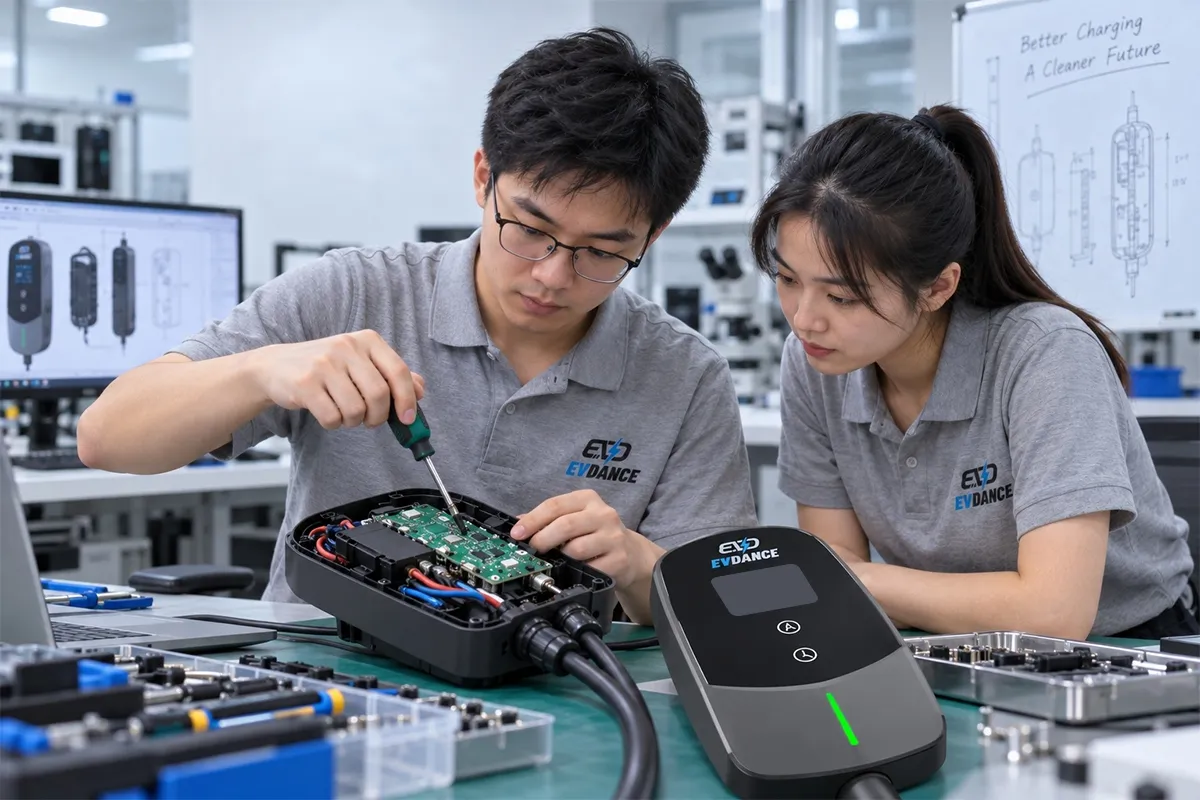
ISO 15118-20 defines communication for bidirectional power transfer between car and charger. CHAdeMO was an early standard that supported V2G, and many new projects use CCS with ISO 15118-20. The car, the charger and the local grid rules must all support the same approach.
What Buyers Should Check Today
- Confirm that the car maker allows bidirectional use and whether it affects the battery warranty.
- Check that the charger and car support the same standard.
- Ask the utility about interconnection rules and any V2G programs.
- For most homes today, a smart unidirectional charger is still the practical choice.
Our technology and R&D page describes how EVDANCE develops charging products, and our wallbox features guide covers smart features available now.
Related Reading
- OCPP Explained: What Charge Point Operators Need From EV Charger Hardware
- EV Charger Certifications Explained: CE, UKCA, UL, ETL, CB and What Buyers Should Ask For
- EV Charging News: BYD Reaches 2,000 Highway Flash-Charging Stations in China
Key Takeaways
- V2L powers appliances; V2H powers a home; V2G sends energy to the grid.
- V2H and V2G need compatible cars, bidirectional chargers and grid approval.
- ISO 15118-20 is a key communication standard for bidirectional charging.
- Check car warranty terms and utility rules before planning V2G.
Sources & Standards
- ISO 15118-20 — Road vehicles: Vehicle to grid communication interface, second generation
- IEC 61851-1 — Electric vehicle conductive charging system
- CHAdeMO protocol specification