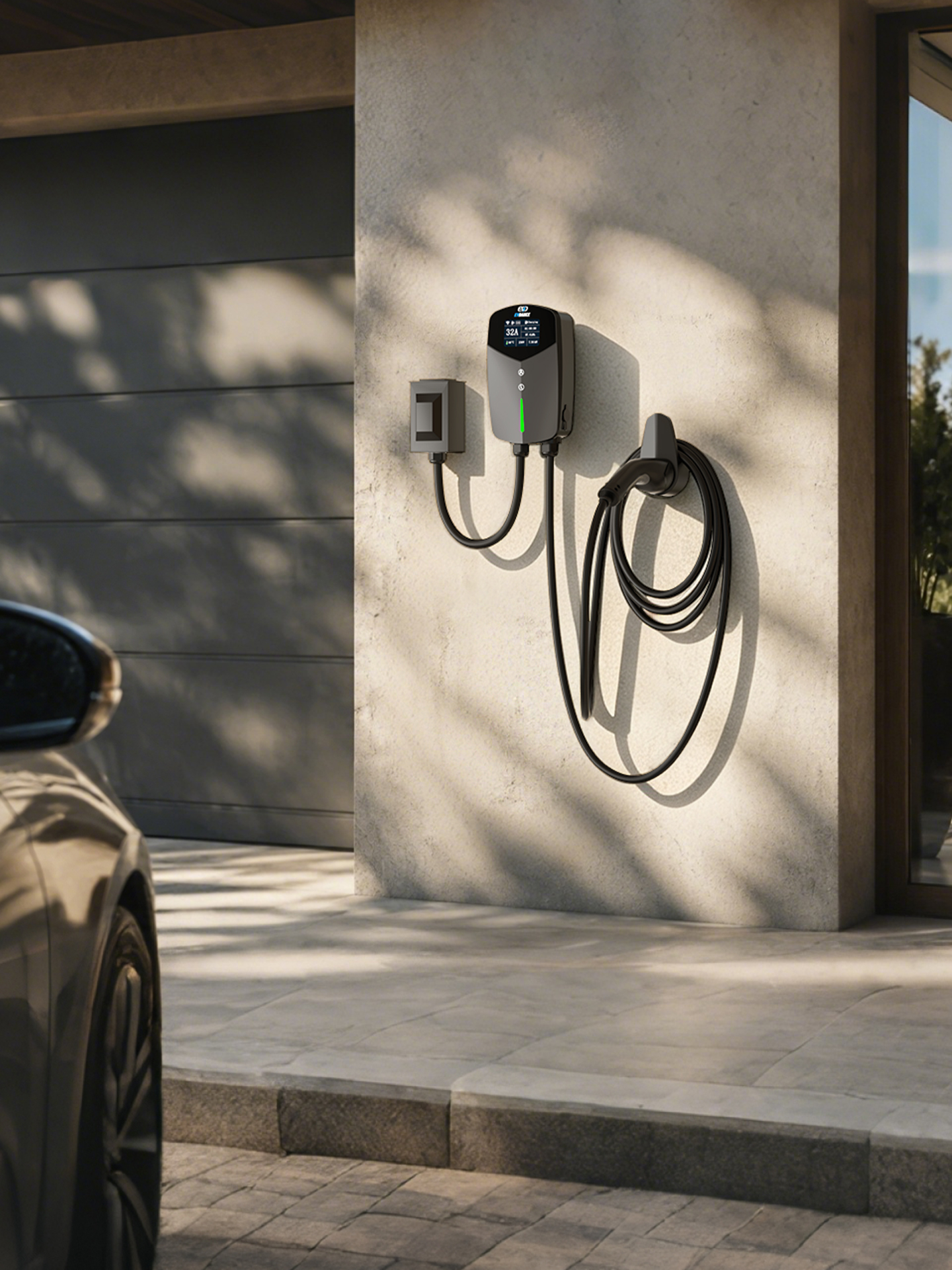
Most wallbox home charger comparisons focus on one number: kW. But two wallboxes rated at the same power can feel completely different to actually own, because the features around the charging itself — the display, the scheduling, and how the unit manages your home’s electrical load — are what you interact with every single day. Here’s what those features actually do and why they’re worth comparing as closely as the spec sheet.
Built-In Displays: More Than a Nice-to-Have
A growing number of wallboxes now include a physical display on the unit itself, rather than requiring a phone app just to check charging status. EVDANCE’s newest wallbox lineup, launched in September 2026, includes a 3.5-inch built-in display on its 40A model that shows real-time charging status, voltage, power draw, and energy consumption without needing the app open, according to the product announcement. The practical benefit is simple: a glance at the wall tells you whether charging actually started, rather than needing a phone, an app login, and a working internet connection just to confirm the car is charging.
Load Management: Why It Matters More Than Raw Power
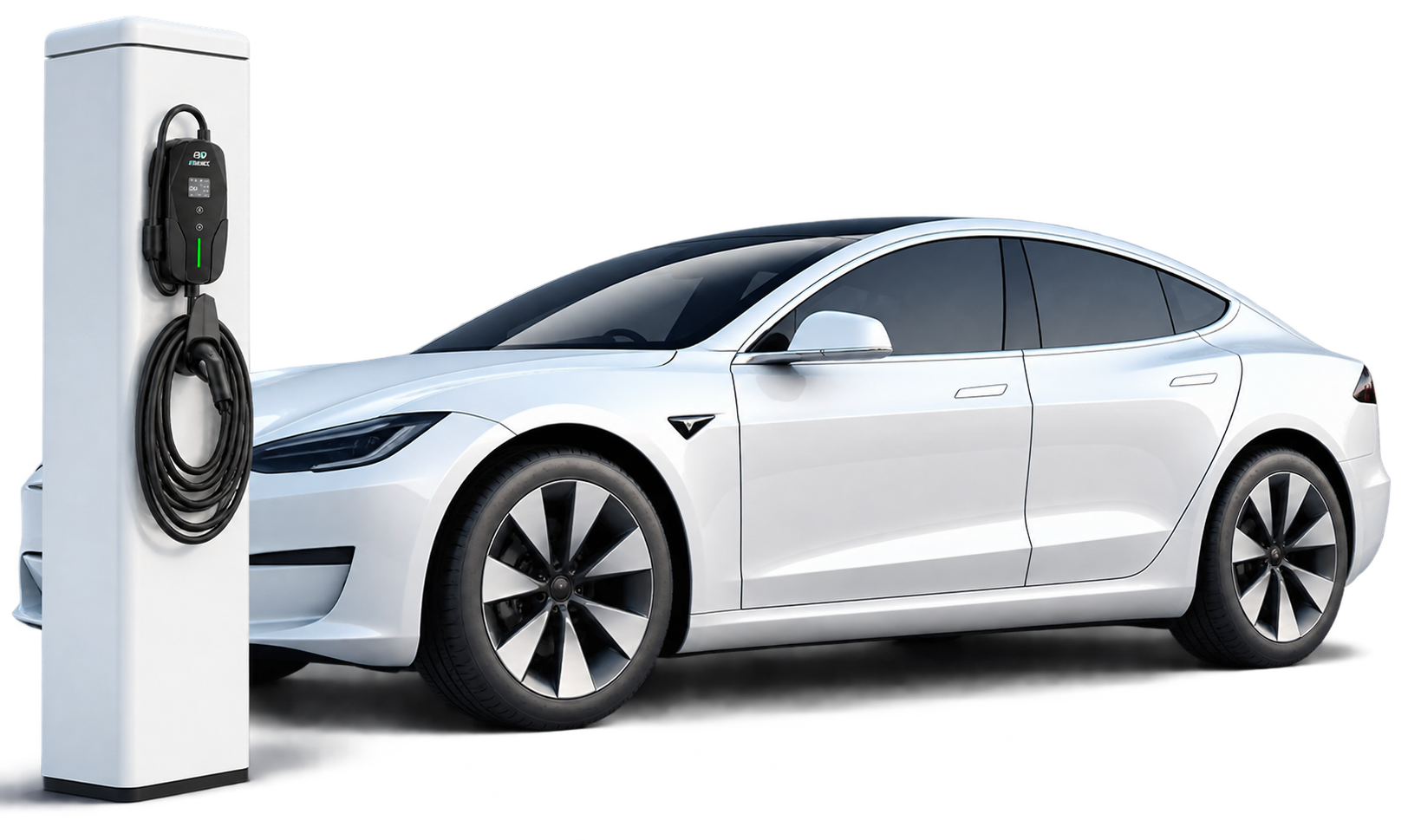
Adding a wallbox is effectively adding a large new appliance to your home’s electrical system, and that’s where load management comes in. According to Selectra’s UK grid connection guide, load management (or load balancing) is a function that “watches your home’s total electricity use and automatically turns the charger down when the house is drawing a lot” — which allows a standard 7kW charger to coexist with the rest of a home’s appliances on an existing electrical supply, without necessarily needing an expensive utility service upgrade. The real limiting factor for most homes, the guide notes, sits at the main fuse feeding the house — typically rated between 60 and 100A — not the charger itself.
Adjustable Amperage and Scheduling
The other feature worth comparing is whether a wallbox lets you adjust its output current and set a charging schedule. Being able to dial current down for an older or shared circuit, and schedule charging for off-peak hours, are both features that pay for themselves over time on a time-of-use electricity plan — but they only work if the app or interface is straightforward enough to actually use regularly, not just at setup.
| Feature | What it does | Why it matters |
|---|---|---|
| Built-in display | Shows charging status, voltage, power, and energy use on the unit itself | No app or internet connection needed for a basic status check |
| Load management | Automatically reduces charger output when household demand is high | Lets a 7kW+ charger share an existing electrical supply without a costly upgrade |
| Adjustable amperage | Lets output be dialed down for an older circuit or dialed up later | One charger can fit more electrical setups without being replaced |
| Scheduling | Sets charging to start during off-peak electricity hours | Can reduce electricity costs on time-of-use utility rates |
Key Takeaways
- A built-in display lets you check charging status without opening an app — a small feature with an outsized daily impact.
- Load management allows a wallbox to share your home’s existing electrical supply safely, often avoiding a costly service upgrade.
- The real ceiling for most home installations is the main household fuse (typically 60–100A), not the charger’s own rating.
- Adjustable amperage and scheduling are worth testing for ease of use, not just checking as a spec-sheet box.
Sources & Standards
- GlobeNewswire — EVDANCE Unveils Affordable Smart EV Charger with Large Display and Premium Features
- Selectra — EV Charger Grid Connection: DNO Approval, 7kW and Load Management