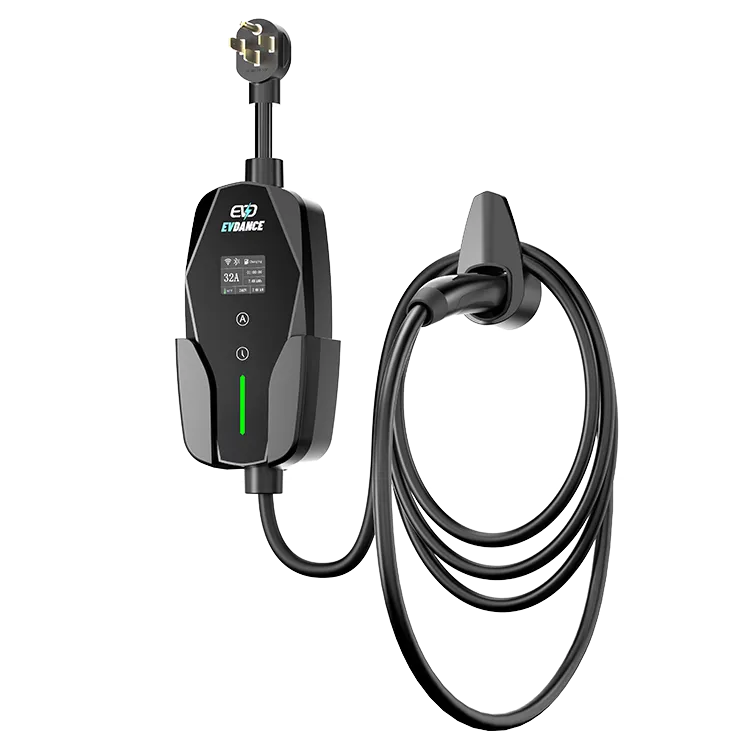
One of the most common complaints from portable EV charger owners has nothing to do with charging speed — it’s reach. A cable that’s a few feet too short can mean parking at an awkward angle just to make the connection. This month, EVDANCE announced it has sold more than 10,000 units of its NACS charging extension cable in North America, a sign of how widespread that reach problem actually is among portable charger owners.
10,000 Units and a Redesign
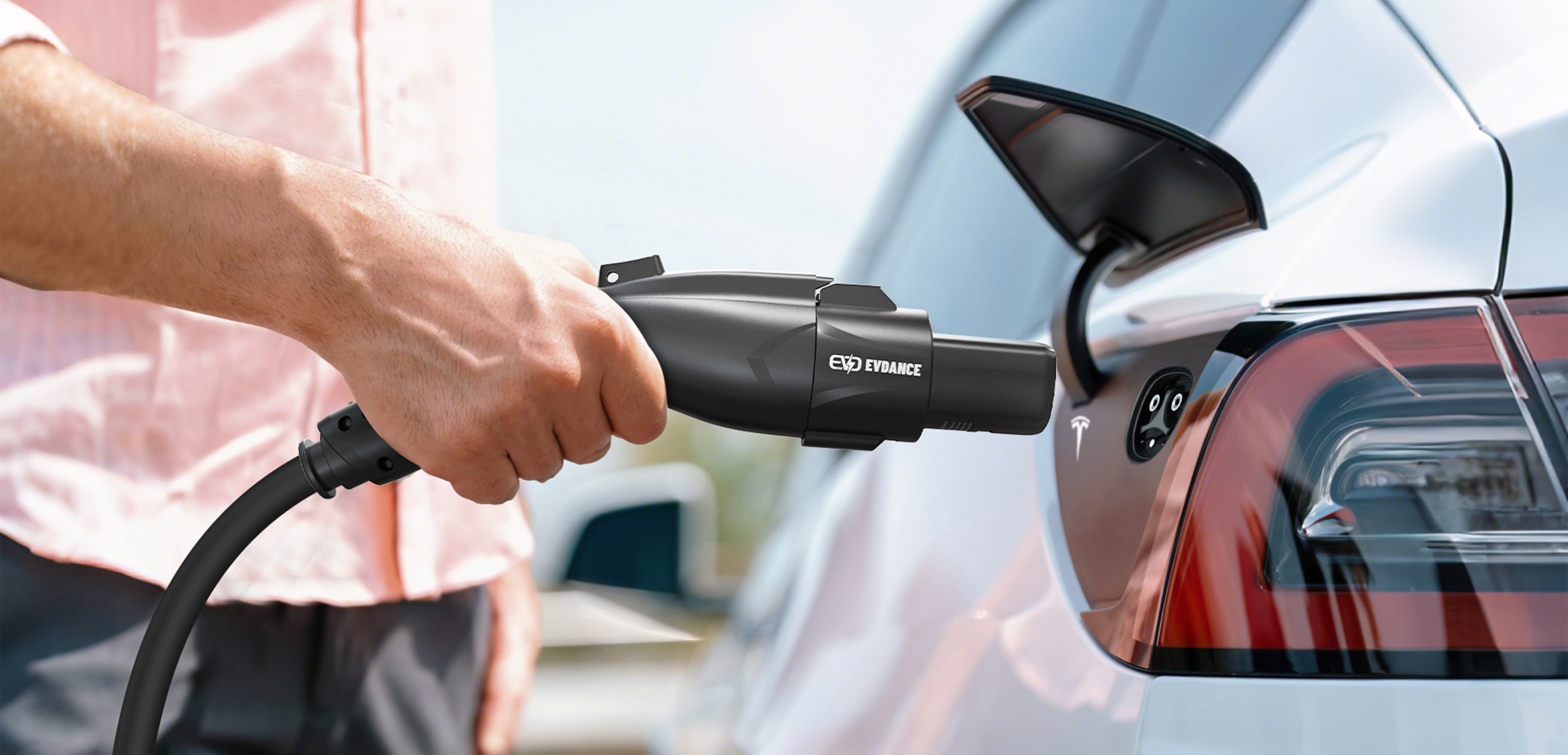
According to the September 19, 2026 announcement, EVDANCE’s extension cable line supports up to 50A, 240V, and 12kW for Level 2 AC charging, built with 8 AWG copper conductors, a heavy-duty TPE jacket, and an IP66 water and dust rating, and is available in 21-foot and 40-foot lengths in both NACS and J1772 configurations. The next-generation version adds one specific fix that owners had been asking for: it preserves the original charger’s charge-port button functionality when connected, so drivers don’t have to change how they release the connector just because an extension cable is in the path.
“An extension cable should make charging easier, not make drivers change the way they charge,” said EVDANCE CEO Daniel Cooper in the announcement.
Why This Matters for the Category
Extension cables are a growing part of the broader portable charging market for a straightforward reason: garages and driveways weren’t designed around EV charging equipment, and a charger positioned at a code-compliant, safe distance from a parking spot doesn’t always have a cable long enough to reach comfortably. The category is also part of a portable EV charging market that research firm NextMSC values at $4.11 billion in 2024, projecting growth to $12.35 billion by 2030 — a 19.3% compound annual growth rate, according to NextMSC’s Portable EV Charger Market report. As more households add a second EV or move into homes with less convenient garage layouts, cable reach becomes a bigger, not smaller, part of the buying decision — not just for the charger itself, but for the accessories around it.
What to Check Before Buying an Extension Cable
Not every cable marketed for EV charging is built the same way — this is also why EVDANCE’s own safety team has separately warned against substituting ordinary hardware-store extension cords for purpose-built charging cables (a topic worth checking before your next purchase). At minimum, an EV charging extension cable should be rated to match or exceed your charger’s full amperage, use adequately sized copper conductors, and carry an outdoor-rated (IP-rated) housing if it will live outside.
Key Takeaways
- EVDANCE has sold over 10,000 units of its NACS charging extension cable in North America as of September 2026.
- The cable supports up to 50A/240V/12kW, uses 8 AWG copper conductors, and is IP66-rated for outdoor use.
- The portable EV charger market is projected to grow from $4.11B (2024) to $12.35B (2030) at a 19.3% CAGR.
- Cable reach and connector compatibility are worth checking as closely as charging speed when buying a portable charger or its accessories.
Sources & Standards
- GlobeNewswire — Over 10,000 Units Sold: EVDANCE Unveils the Next-Generation NACS Charging Extension Cable
- NextMSC — Portable EV Charger Market Report