

The EV charging industry does not usually move in a straight line, but the past few months have been unusually eventful. A federal judge forced Washington to release billions of dollars in stalled charging-infrastructure funding, the tax credit that used to cover 30% of a new charger’s cost quietly expired, General Motors committed its entire 2027 lineup to the Tesla-designed charging plug, and China’s charging network kept compounding at a rate few other markets can match. None of these stories happened in isolation. Together they change what a charger costs to install, which connector to plan around, and where the hardware behind it all actually comes from. Here is what changed, with links back to the primary sources, and what it means whether you’re charging one car at home or specifying hundreds of units across a hotel portfolio.
US Charging Policy: Funding Restored, but the Tax Credit Is Gone
On January 23, 2026, U.S. District Judge Tana Lin ruled that the Department of Transportation had unlawfully suspended National Electric Vehicle Infrastructure (NEVI) funding, siding with a coalition of 20 states that sued after the program’s roughly $5 billion in charger-buildout money was frozen in February 2025. The ruling applies nationwide and blocks the DOT from withholding NEVI funds or revoking state implementation plans going forward, which means long-delayed public fast-charging corridor projects can now move again.
At the same time, a separate and far less reversible change already took effect. Per the IRS’s own guidance, the Section 30C Alternative Fuel Vehicle Refueling Property Credit — worth 30% of equipment and installation cost, up to $1,000 for a home charger and up to $100,000 per commercial unit — only applies to property placed in service through June 30, 2026. After that date the credit is $0, with no extension currently pending in Congress. For anyone who installed a charger before the deadline, that’s a real savings; for anyone buying now, the 30% federal discount that shaped a lot of 2023–2026 purchase decisions is simply gone.
Put together, the message for 2026 buyers is mixed: the public charging network keeps expanding on the back of restored federal funding, but private and commercial installs no longer get a federal subsidy to soften the hardware bill. That makes the underlying cost of the charger itself — not just the tax credit — the number worth scrutinizing again.
The Connector Question Is Basically Settled: NACS Goes Mainstream
On August 13, 2026, General Motors announced that every EV in its 2027 model-year lineup — from the GMC Sierra EV to the Chevrolet Silverado EV — will ship with a native NACS (SAE J3400) charge port, plugging directly into Tesla Superchargers with no adapter required. Electrek’s coverage notes this makes GM the latest of several major automakers — after Ford, Hyundai, and Stellantis, which committed to the same J3400 connector for its 2026 models back in 2024 — to fold NACS into their standard hardware rather than treating it as an adapter afterthought.
For anyone buying or specifying charging equipment today, this doesn’t mean CCS hardware is obsolete overnight — millions of CCS-equipped vehicles remain on the road, and mixed-connector charging hubs will be the norm for years. But it does mean that new commercial and multi-family installations increasingly need to plan for NACS/J3400 compatibility from day one, either through native dual-standard hardware or connector adapters, rather than treating it as a future upgrade.
Meanwhile in China: 23.68 Million Charging Points and Counting
China’s own charging network is growing at a pace that puts the rest of the world’s buildout in perspective. According to Xinhua, the country had 23.68 million charging points in operation by the end of July 2026 — up 41.9% year on year. Public charging facilities reached 5.099 million (+21.3%), while privately owned charging points, mostly home and workplace units, reached 18.58 million (+48.8%) — growing more than twice as fast as the public network.
| Metric (as of July 31, 2026) | Total | YoY Growth |
|---|---|---|
| All charging points | 23.68 million | +41.9% |
| Public charging facilities | 5.099 million | +21.3% |
| Private charging facilities | 18.58 million | +48.8% |
Source: Xinhua, citing China’s National Energy Administration data, published August 25, 2026.
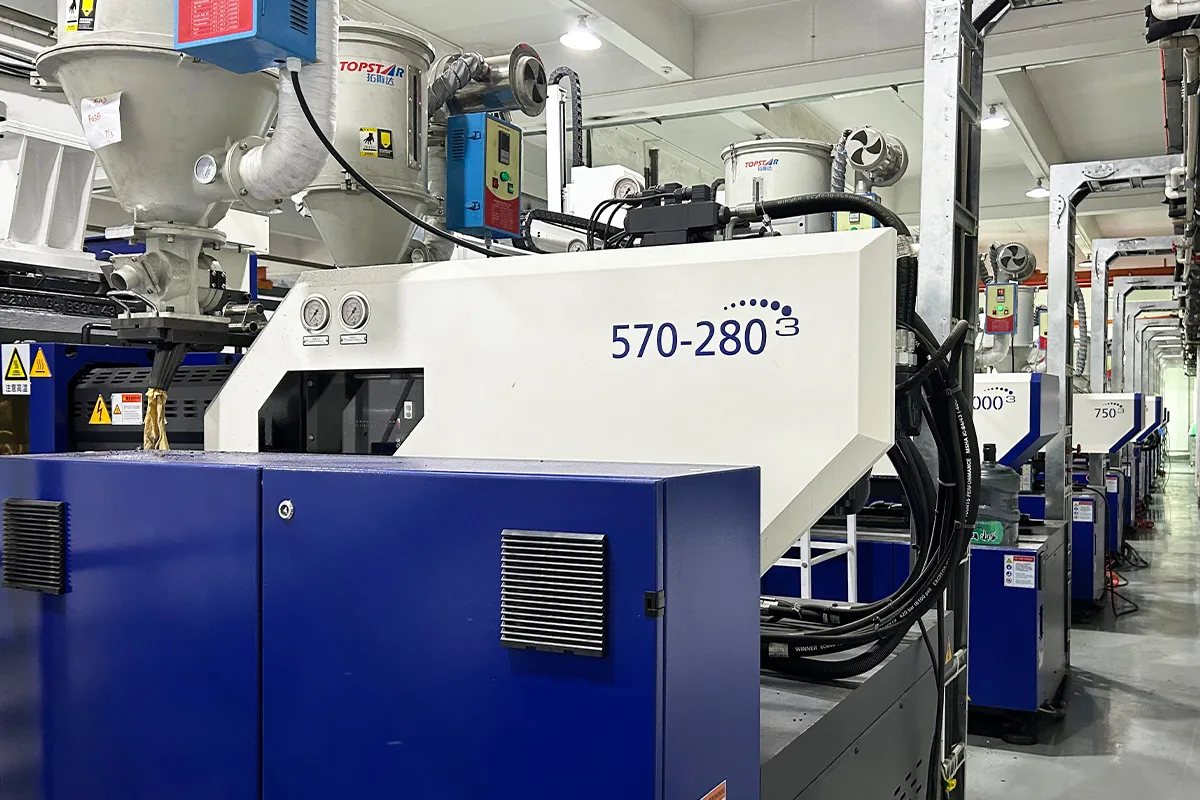
That scale matters beyond China’s own borders. It’s also the reason the country remains the manufacturing base for the large majority of EVSE hardware sold worldwide, including EVDANCE‘s own production in Shenzhen — the same supply chain and component ecosystem behind the domestic buildout is what lets a manufacturer offer certified AC and DC charging hardware at factory-direct pricing for export markets.
The Home-Charging Reality Check: Costs Up, Satisfaction Down
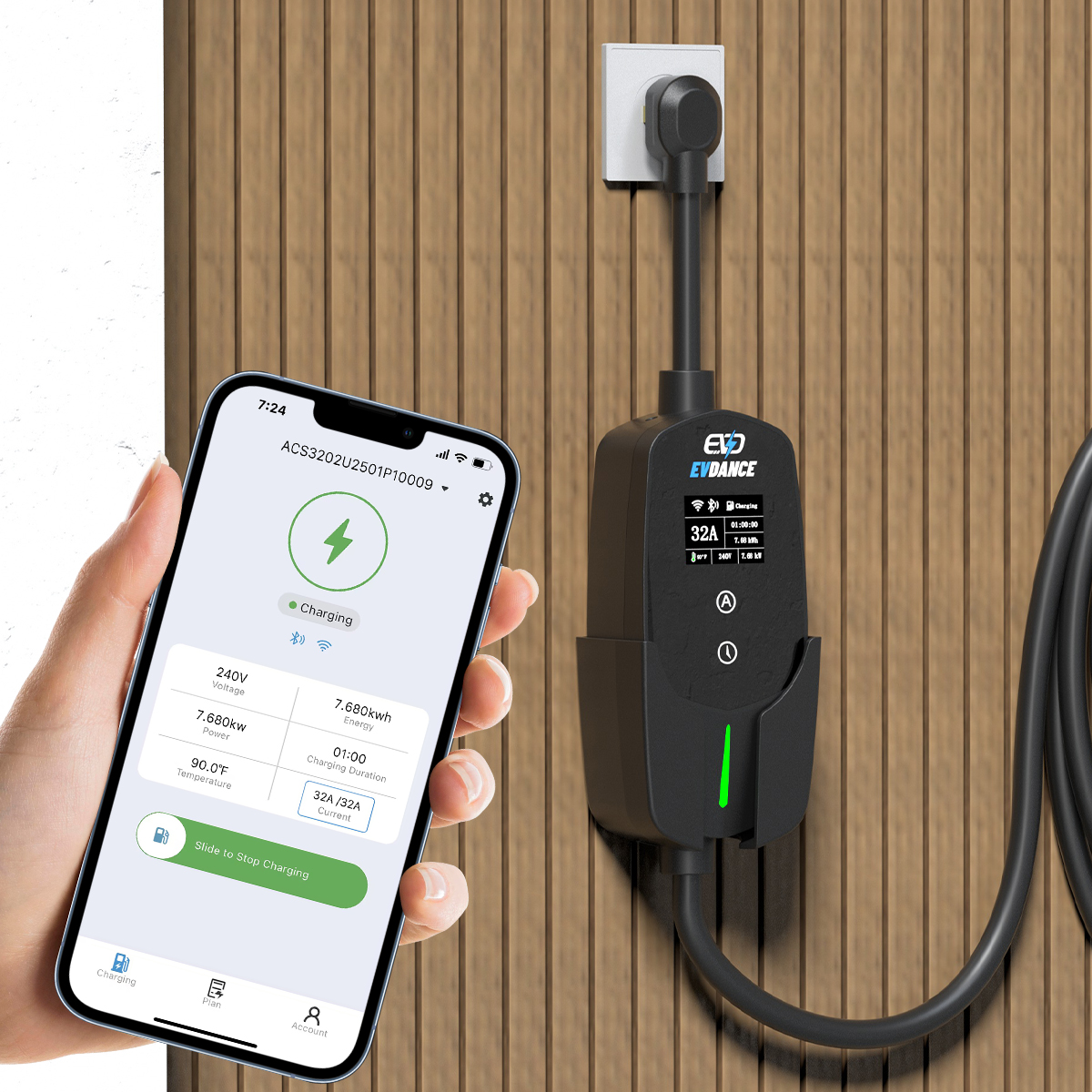
Not every recent data point is about policy or infrastructure scale — some of it is about the everyday experience of charging at home. J.D. Power’s 2026 U.S. Electric Vehicle Experience (EVX) Home Charging Study, published March 24, 2026, found that average monthly home charging spend rose to $63 (up $5 year over year), while overall cost satisfaction fell 11 points. Satisfaction with Level 1 portable chargers dropped 12 points and Level 2 portable chargers dropped 4 points, even as permanently mounted Level 2 stations held steady.
The same study points to an underused fix: 69% of EV owners say they’re aware their utility offers smart or managed charging programs, but only 12% are actually enrolled. Owners who always schedule charging during off-peak hours averaged $65 a month, compared with $71 for those who never schedule — a gap that adds up over a year, and one that has nothing to do with which charger brand is installed and everything to do with whether the hardware supports scheduling and whether the owner actually uses it.
What This Means If You’re Buying Chargers Right Now
| If you are… | What changed | What to check before buying |
|---|---|---|
| A homeowner | No more 30% federal tax credit after June 30, 2026; smart-charging programs remain underused | Look for adjustable current and app-based scheduling — J.D. Power’s data suggests it can save roughly $6/month without changing hardware |
| A hotel, retail, or parking property | The 30C commercial credit (up to $100,000/unit) is gone for new installs completed after June 30, 2026 | Total cost of ownership and factory-direct sourcing matter more now than they did a year ago — see our hotel, retail, and parking garage charging guides |
| An automaker, dealership, or fleet operator | NACS/SAE J3400 is now the default connector direction for 2026–2027 model-year EVs across GM, Ford, Hyundai, and Stellantis | Plan new installations around dual-standard hardware or connector adapters rather than CCS-only equipment — see our dealership & OEM partnership page |
| A distributor or OEM buyer | US federal subsidies are fading just as China’s manufacturing base keeps scaling | Factory-direct pricing and full certification coverage (CE, UKCA, cETL, RoHS) matter more than ever when comparing suppliers |
How EVDANCE Fits Into This Picture
EVDANCE has been designing and manufacturing AC and DC EV charging equipment in Shenzhen since 2011 — inside the same manufacturing base behind China’s 23.68-million-point charging network described above. That means direct control over circuit design, firmware, and certification (CE, cETL, UKCA, SAA, CB Scheme, RoHS), plus the OEM/ODM capacity to support custom branding and firmware for distributors and property operators who need consistent hardware across many sites, not just one. If you’re weighing how the NEVI ruling, the end of the 30C credit, or the shift to NACS affects a specific project — whether that’s a single home charger or a multi-site rollout — our OEM/ODM and dealership partnership page has more detail on customization and bulk terms.
Key Takeaways
- NEVI funding is unfrozen nationwide after a January 23, 2026 federal court ruling, so public fast-charging buildout can resume.
- The Section 30C tax credit expired for property placed in service after June 30, 2026 — new home and commercial installs no longer get the 30% federal discount.
- NACS (SAE J3400) is now the default connector for GM’s entire 2027 EV lineup, joining Ford, Hyundai, and Stellantis.
- China’s charging network hit 23.68 million points as of July 2026, up 41.9% year on year, reinforcing its role as the world’s dominant EVSE manufacturing base.
- Smart charging remains underused — only 12% of owners who are aware of managed-charging programs are actually enrolled, despite measurable monthly savings.
Sources & Standards
- electrive.com — Ruling: Trump administration must keep its hands off NEVI funding (Jan 26, 2026)
- Internal Revenue Service — Alternative Fuel Vehicle Refueling Property Credit
- General Motors — Official announcement: GM EVs and NACS charging (Aug 13, 2026)
- Electrek — Every 2027 GM EV will plug directly into Tesla Superchargers (Aug 14, 2026)
- Xinhua — China’s EV charging infrastructure expands rapidly in first seven months (Aug 25, 2026)
- J.D. Power — 2026 U.S. Electric Vehicle Experience (EVX) Home Charging Study (Mar 24, 2026)
- U.S. Department of Energy — Alternative Fuels Data Center: Charging Electric Vehicles at Home