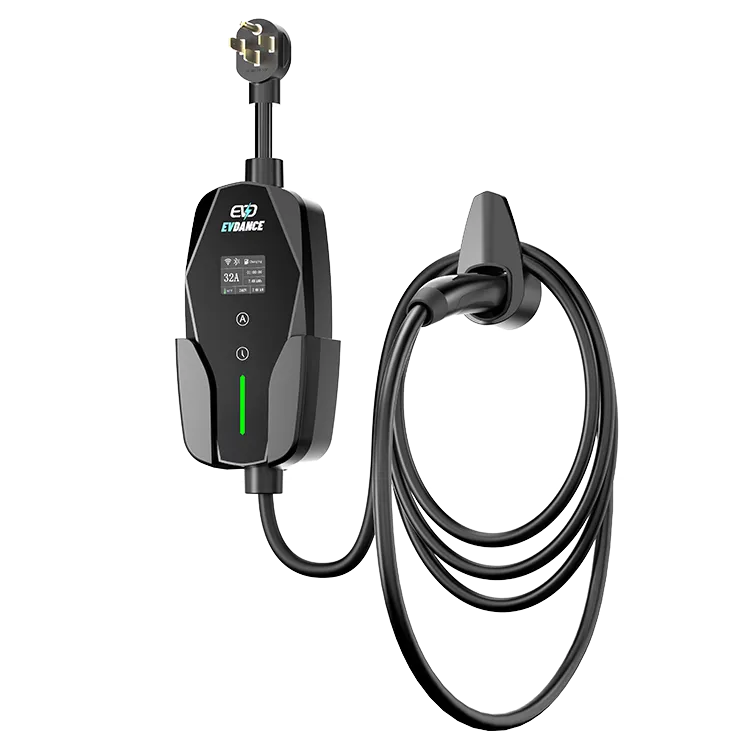
Once you’ve decided 7kW is the right charging speed for your home, there’s a second decision left: should that 7kW come from a portable charger or a hardwired wallbox? Both now come in 7kW-class versions, and the right pick depends less on speed — which is identical — and more on how you actually live.
Same Speed, Different Installation
A 7kW-class portable charger and a 7kW-class wallbox both typically run at around 30–32A on a 240V circuit, and both deliver the same roughly 25 miles of range per hour, per the U.S. Department of Energy’s Alternative Fuels Data Center. The difference isn’t charging performance — it’s how the unit connects to your home’s electrical system. A wallbox is mounted and wired in place by an electrician; a portable charger plugs into an existing 240V outlet, such as a dryer or range outlet with the correct adapter, and can be unplugged and moved.
When 7kW Portable Wins
- Renting or planning to move. A portable charger comes with you; a wallbox generally doesn’t, and hardwiring one into a rental means asking a landlord for electrical work on a property you don’t own.
- You already have a usable 240V outlet. If a dryer or range outlet is near your parking spot, a portable charger with the right adapter can start working the same day, with no electrician visit required.
- You want a backup for travel. Even people who eventually install a wallbox often keep a 7kW-class portable charger in the trunk for trips, visiting family, or as a fallback if the home unit needs service.
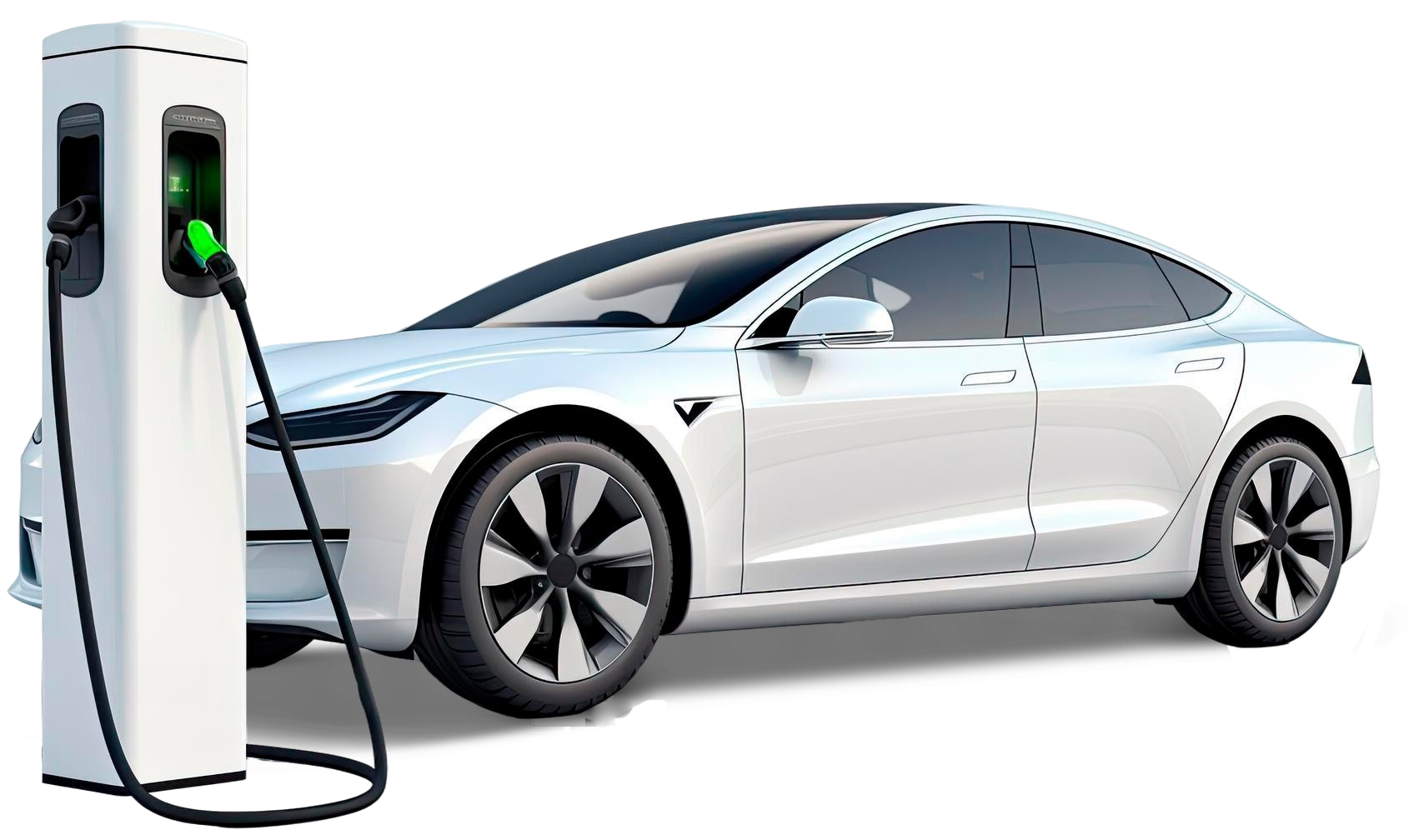
When 7kW Wallbox Wins
- You own the property long-term. A hardwired unit is a fixed, permanent installation — the right call when you’re not planning to move the charger or take it with you.
- You want a built-in display and app ecosystem. Wallboxes, including EVDANCE’s newest lineup, increasingly include features like real-time on-unit displays and scheduling that some portable chargers don’t offer.
- Your outlet situation isn’t ideal. If there’s no existing 240V outlet near your parking spot, an electrician is doing work either way — at that point, a purpose-installed wallbox is often the more finished result.
Comparing the Two at 7kW
| Factor | 7kW Portable | 7kW Wallbox |
|---|---|---|
| Charging speed | ~25 mi/hr range added | ~25 mi/hr range added |
| Installation | Plugs into existing 240V outlet | Mounted and wired by an electrician |
| Portability | Moves with you | Fixed in place |
| Upfront cost | Generally lower — no installation labor | Higher — includes electrician labor and possible permits |
| Best for | Renters, multi-property owners, travel backup | Long-term homeowners wanting a permanent setup |
Key Takeaways
- A 7kW portable charger and a 7kW wallbox charge at the same speed — roughly 25 miles of range per hour.
- The real difference is installation: plug-in and movable versus mounted and hardwired.
- Renters, multi-property owners, and anyone wanting a travel backup are typically better served by a 7kW portable charger.
- Long-term homeowners who want a permanent, feature-rich setup are typically better served by a 7kW wallbox.
Sources & Standards
- U.S. Department of Energy, Alternative Fuels Data Center — Electric Vehicle Charging Stations
- Selectra — EV Charger Grid Connection: DNO Approval, 7kW and Load Management