
Buy an EV charger cable from the car or charger manufacturer, an authorised dealer, or an established electrical retailer that publishes full specifications and certification. The channel matters less than the paperwork: match the connector, the current rating and the safety certification before you compare prices.
Key Takeaways
- Buy from the manufacturer, a dealer or an established electrical retailer with full spec sheets.
- Connector, current rating, phases, length and certification must all match your car and charger.
- Counterfeit cables are a fire risk: no datasheet or laboratory mark means no purchase.
- Tethered wallbox cables are a manufacturer or electrician job, not a DIY swap.
The Main Places to Buy
| Route | Best for | What to check |
|---|---|---|
| Car manufacturer or dealer | A guaranteed match for your car’s inlet | Part number for your model and year; prices are often the highest |
| Charger manufacturer | Replacing the cable supplied with your charger | Compatibility with your exact unit, and warranty cover |
| Electrical retailers and wholesalers | Comparing rated cables with proper spec sheets | Datasheet, certification mark and returns policy |
| General online marketplaces | Wide choice and fast delivery | Highest counterfeit risk: verify the maker, ratings and certification before ordering |
Start with the cable your car and charger were designed for. Our guide to which EV charging cable you need walks through the connector and rating choices, and whether electric cars come with a charging cable explains what you may already have.
Specs That Must Match Before You Buy
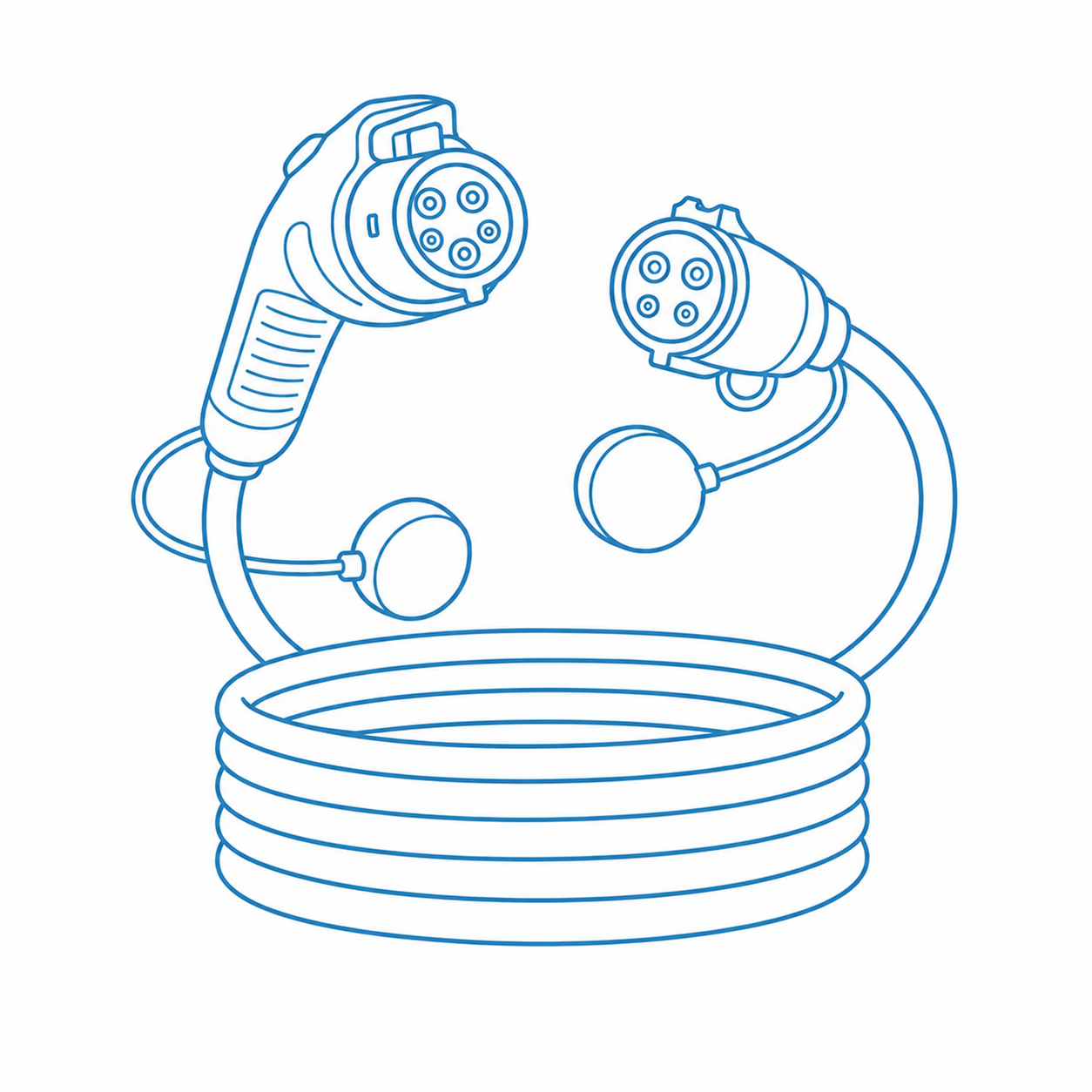
- Connector at both ends. J1772 or NACS in North America, Type 2 in Europe. The car inlet and the charger socket decide this, not the brand badge.
- Current rating. The cable must be rated at least as high as the charger’s output: a 32 A charger needs a 32 A cable. An undersized cable runs hot under continuous load.
- Phases. For Type 2, single-phase and three-phase cables are different products. A single-phase cable on a three-phase charger charges at single-phase speed.
- Length. Measure the real route from charger to charge port. Our cable length guide compares 5 m, 7.5 m and longer options.
- Certification. In North America, look for a listing by an OSHA-recognised testing laboratory such as UL or ETL; in Europe, look for CE and a named test standard. The OSHA NRTL programme explains what those marks mean.
- Weather rating. For outdoor use, choose a cable and connector with a suitable IP rating and a jacket made for flexing in cold weather.
How to Spot a Counterfeit or No-Name Cable
Charging cables carry high current for hours, so fakes are a genuine fire risk, not just a quality issue. Treat a listing as suspect if the certification mark is shown but the maker cannot name the laboratory or standard, if the current and phase ratings are missing, if the cable looks thin for its claimed amperage, or if the price sits far below every comparable rated cable. A seller who cannot provide a datasheet is telling you what you need to know. As our comparison of EV charging cables shows, cables that look identical can differ in conductor size, rating and build.
Tethered Chargers, Portable Chargers and Adapters
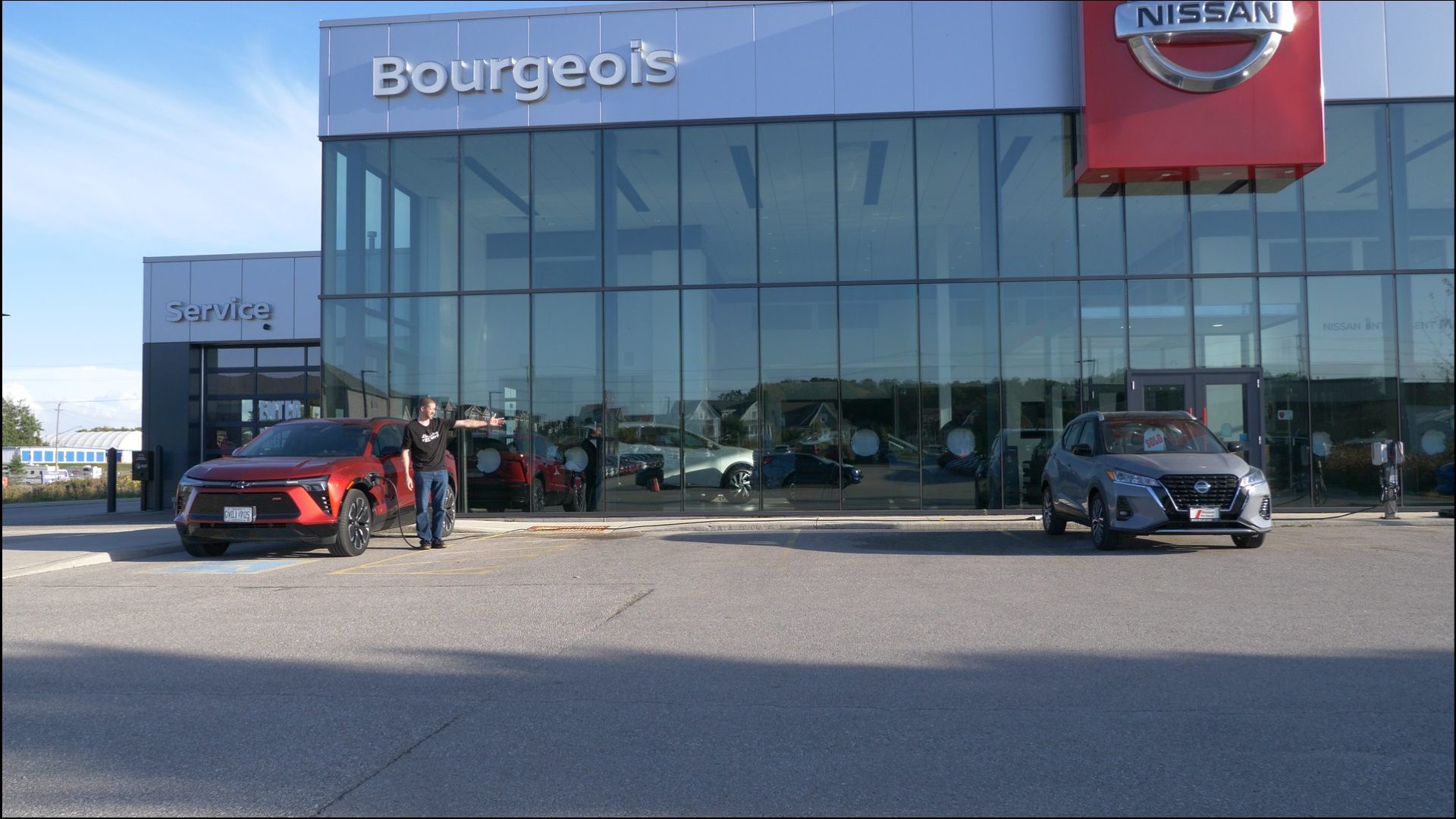
If the damaged cable is fixed to a wallbox, it is not a part you swap yourself: contact the manufacturer or a licensed electrician. With a portable charger, the cable is part of a sealed unit, so you replace the unit rather than splicing a new cable onto it. EVDANCE sells its portable chargers and wallboxes as complete certified units, including the EV-AC04001U 40 A J1772 portable charger, and the full product range lists the connector and rating for each model. Adapters are a separate category: only use one rated for your charging type, and never to defeat a rating limit.
Frequently Asked Questions
Can I buy a longer cable so the charger reaches my car?
Yes, if the connector, phases and current rating match. Very long cables cost more, store badly and lose a little energy as heat, so also consider moving the charger closer.
Is a cheap marketplace cable safe?
Only if it is genuinely certified and correctly rated. Verify the maker, the laboratory mark and the datasheet. If any of those are missing, do not buy it.
Does the cable have to come from my car’s brand?
No. Cables follow connector standards such as SAE J1772, NACS and Type 2. Match the standard and the ratings, and any reputable maker is fine.
Related Reading
- Which EV Charging Cable Do I Need?
- Are All EV Charging Cables the Same?
- EV Charger Cable Length Guide: 5 m, 7.5 m or Longer?
- How Long Do EV Charging Cables Last, and Can They Be Repaired?

