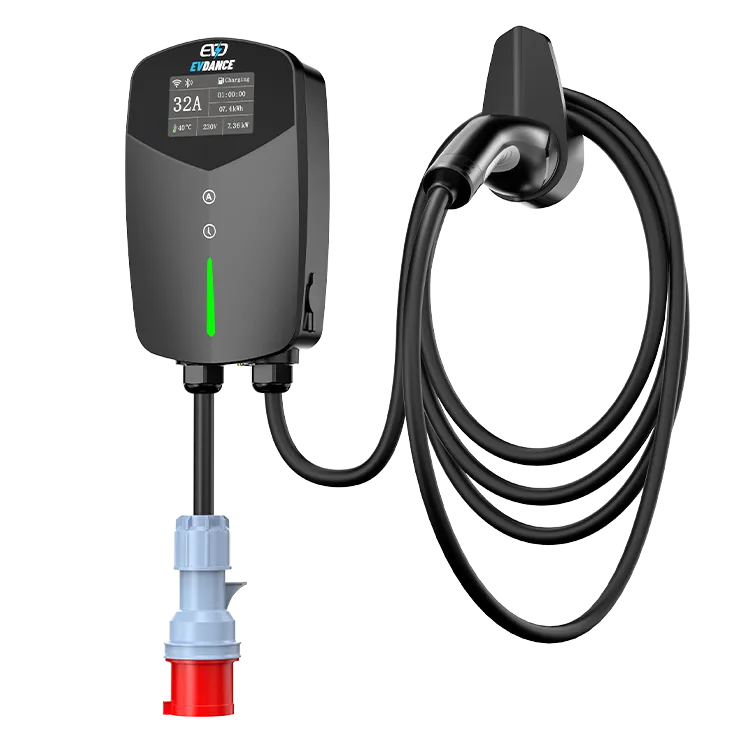
Cable length is one of the most overlooked specifications on an EV charger, and one of the most common reasons for customer complaints. Too short, and the cable will not reach the car’s charging port when the driver parks nose-in instead of reversing. Too long, and it becomes heavy, tangles and trails across walkways.
Common Lengths
| Length | Typical use |
|---|---|
| 5 m (about 16 ft) | Wallboxes where the port is close to the charger; public AC stations |
| 7.5–7.6 m (about 25 ft) | Most home portable chargers and wallboxes; flexible parking |
| About 8.5 m (28 ft) | Larger garages, driveways with two cars, North American portable chargers |
| 10 m and above | Special cases; heavier and harder to handle |
How to Choose the Right Length
- Measure from the charger to the farthest likely port position, including when the car is parked the other way round.
- Add slack so the cable is not under tension and does not drag across sharp edges.
- Remember that charge ports vary: front, rear, left, right or centre depending on the car model.
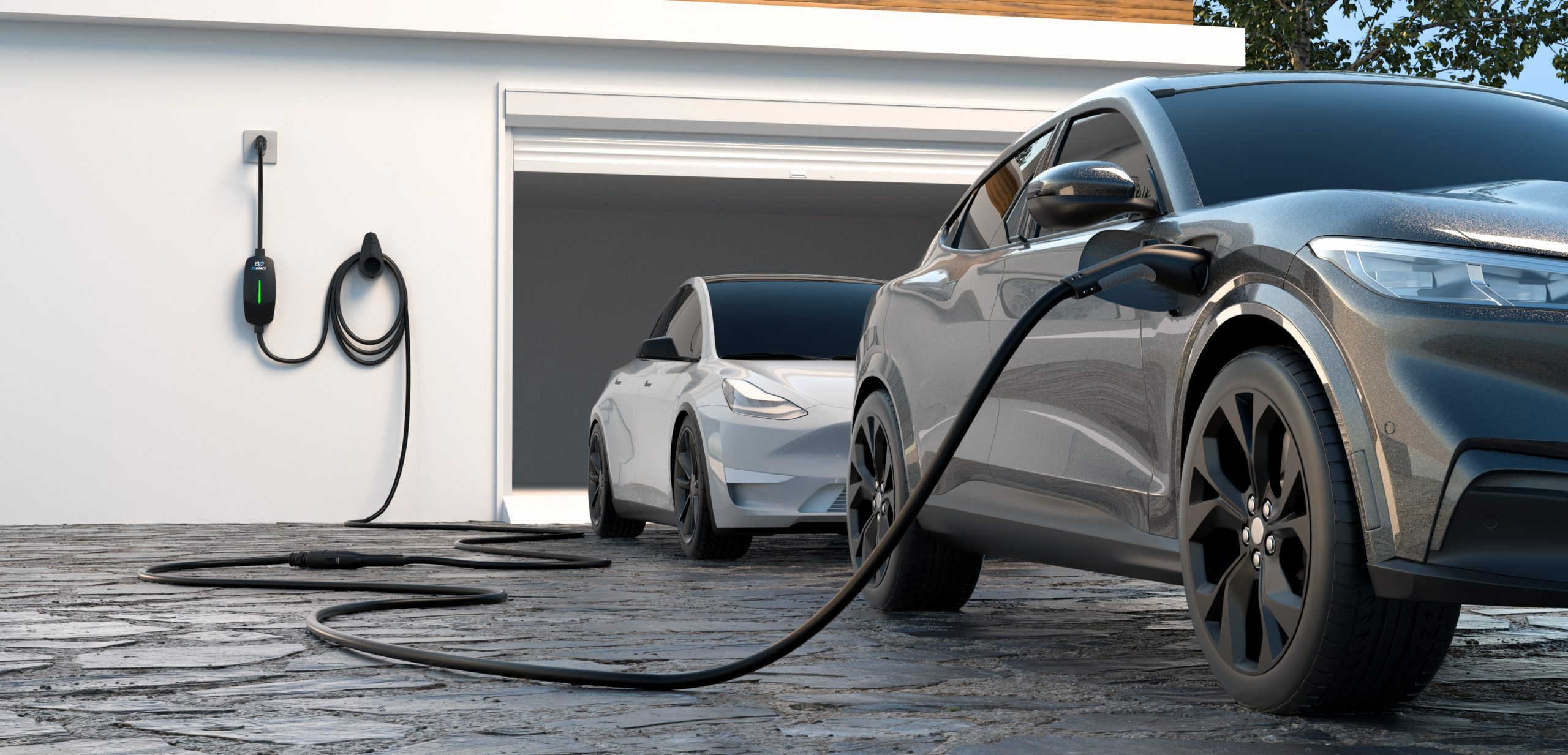
- For two-car driveways, plan for the car farther from the charger.
Why Longer Is Not Always Better
Longer cables weigh more, cost more and are harder to coil neatly. On busy sites, extra cable left on the ground is a trip hazard and more likely to be run over. For public and commercial chargers, a tidy cable holster or a retractor is often better than extra length.
Never Use an Extension Cord
If the cable is too short, the answer is a charger with a longer cable or a better-placed outlet, not an extension cord. Domestic extension leads are not designed for hours of continuous high current, and installation rules in many countries prohibit them for EV charging. Our portable EV charger safety guide explains the risks.
Cable Options From EVDANCE
EVDANCE offers 25 ft and 28 ft cables on North American portable chargers such as the EV-ACS4005T, and 5 m or 7.6 m options on three-phase models such as the EV-ACT3204PE. Custom lengths are available for OEM projects.
Related Reading
- Cold-Weather EV Charging: What Happens to Chargers and Cables Below Freezing
- Wallbox Home Charger Features Explained: Display, Scheduling, and Load Management
- Portable EV Charger News 2026: Automakers Drop Bundled Chargers
Key Takeaways
- 5 m suits wallboxes near the port; 7.5 m (25 ft) suits most homes.
- Measure to the farthest likely port position and add slack.
- Longer cables are heavier and can create trip hazards on busy sites.
- Never use an extension cord to make up for a short cable.
Sources & Standards
- IEC 61851-1 — Electric vehicle conductive charging system
- IEC 62196-2 — Type 2 vehicle connector