
Replace your home charger when it is damaged, keeps faulting, or can no longer refill the car in the time you have — not simply because it is old. A healthy charger that still matches your driving can run for years, as our guide to how long home EV chargers last explains. The skill is telling wear and limits apart from problems that actually live elsewhere.
Key Takeaways
- Replace for damage, repeated faults or outgrown speed — not for age alone.
- Check the circuit and the car’s own limits before blaming the charger.
- Buy the second charger around your real miles, hours and panel capacity.
- Keep a working plug-in unit as a spare; retire damaged units safely.
Signs the Charger Itself Is Done
- Visible damage: cracked housing, a bent or heat-discoloured connector pin, or a cable with cuts or crushed sections.
- Repeated faults: shutdowns or trips that continue after the circuit has been checked and the connector cleaned and inspected.
- Heat or noise changes: a plug or handle that runs much hotter than it used to, or new buzzing from the unit.
- Dead controls: buttons, display or app connection failed, so current and schedules can no longer be set.
Damage to a cable or connector is a stop-using sign, not a wait-and-see one. Chargers are sealed units, and internal repair is a job for the manufacturer, not a weekend project.
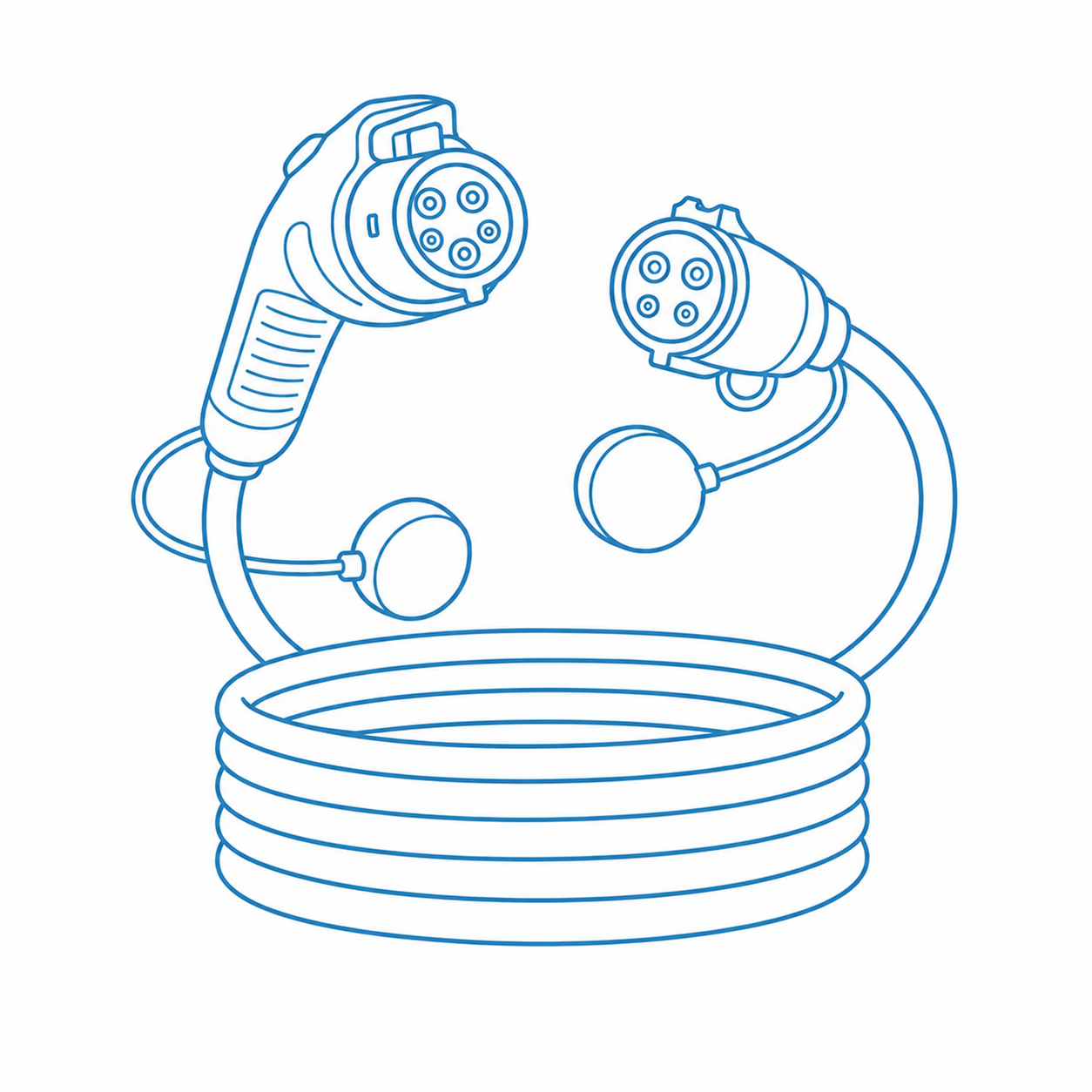
Signs You Have Outgrown It
Sometimes the charger works perfectly and is still the wrong tool. An early low-power unit adds range slowly by modern standards, and a newer car with a bigger battery and a longer commute can outgrow it. Missing features matter too: without scheduling, charging cannot reliably land inside a cheap off-peak window. This table separates the two kinds of “time to replace”:
| Situation | First check | Replacement makes sense when |
|---|---|---|
| Worn connector or cable | Clean and inspect; feel for heat | Damage is visible, or the latch no longer holds |
| Charging feels slow | Your car’s onboard charger limit | The car accepts more than the unit can give |
| No off-peak scheduling | Whether the car itself has a timer | Neither car nor charger can schedule |
| Frequent fault shutdowns | An electrician tests the circuit | The fault is traced inside the unit |
What to Buy Differently the Second Time
Second purchases go better because you know your real numbers: nightly miles, parking hours, and the panel’s spare capacity. Match the new charger’s current to the car and the circuit — our guide to how many amps an EV charger needs works through the sizing — and run through the checklist in which Level 2 charger should I buy before choosing features. Two examples from EVDANCE: the EV-ACT5006T delivers up to 48 A hard-wired for a permanent, high-power setup, while the EV-ACS4005T portable charger plugs into a NEMA 14-50 outlet at up to 40 A and can travel with you. A working plug-in unit can stay on as a spare; a damaged one should be retired and recycled through local e-waste channels.

Frequently Asked Questions
Can a charger be repaired instead of replaced?
Sometimes, through the manufacturer. Many chargers carry a multi-year warranty — EVDANCE’s standard warranty is three years — so check that first. Faults in the circuit belong to an electrician, and a sealed charger should never be opened at home.
Will a new charger make my car charge faster?
Only if the old charger was the bottleneck. Your car’s onboard charger sets the ceiling, so check its AC charging limit before paying for more power.
Should I replace a working charger just to get smart features?
Only if you will actually use them. Scheduling pays when your tariff has cheap hours, and app control matters when the charger is shared or outdoors. Otherwise, a healthy basic unit is worth keeping.
Related Reading
- How Long Do Home EV Chargers Last?
- Which Level 2 Charger Should I Buy? A Buyer’s Checklist
- How to Clean an EV Charger Connector
- How Many Amps Does an EV Charger Need?

