
Yes. EVs work well in cold weather: they start reliably, heat the cabin quickly and drive normally. What winter changes is two numbers — range falls, and charging slows until the battery warms up. How much depends on the car, the temperature and your driving, so there is no single percentage to quote. The drivers who find winter easy are the ones with home Level 2 charging and a routine built around it.
Key Takeaways
- EVs work well in cold weather; what changes is range and charging speed, not whether the car works.
- There is no universal range-loss percentage — plan on your own car’s winter figures, with a buffer.
- Preconditioning on wall power and overnight Level 2 charging remove most winter friction.
- Starting reliability and fast cabin heat are winter strengths, not weaknesses.
What Actually Gets Worse in the Cold
| Aspect | What changes | How much it matters |
|---|---|---|
| Range | The battery delivers less energy when cold, and more of it goes to heating | The biggest effect. Plan trips on a winter range figure, not the summer one |
| Charging speed | A cold pack accepts power slowly at first, then speeds up as it warms | Noticeable on short DC fast stops; minor on overnight home charging |
| Energy use per mile | Cabin heating, denser air and winter tyres all raise consumption | You charge more often for the same driving |
| Regenerative braking | May be limited while the pack is cold | Minor; it returns as the battery warms |
FuelEconomy.gov notes that cold weather reduces EV efficiency and range, and that the effect eases as the vehicle warms up. Your own car’s winter behaviour — shown on its trip computer over a few cold weeks — is a better planning figure than any general estimate. The equipment side of freezing weather has its own guide: what happens to chargers and cables below freezing.

What Stays the Same — or Gets Better
- Starting. There is no cold engine to crank. The car wakes and is ready to drive; in very deep cold the pack may limit power briefly until it warms, but there is no equivalent of a petrol car failing to start on a weak 12V battery.
- Cabin heat. Heating is electric, so warmth starts quickly — and if the car is plugged in, you can preheat the cabin on wall power and keep the range for driving.
- Low-speed control. The battery sits low and central, and electric motors meter out torque precisely, which helps on slippery starts. Winter tyres still matter more than any of this.
The Habits That Make Winter Easy
- Precondition while plugged in. Warming the battery and cabin before departure, on wall power, is the highest-value winter feature. Our explainer on EV battery preconditioning covers how it works.
- Charge at home on Level 2. Per U.S. DOT figures, Level 2 delivers 7–19 kW (about 10–20 miles of range per hour), so an overnight session easily replaces a winter day’s driving.
- Plan road trips with a buffer. Expect slower DC fast sessions on a cold pack and higher consumption between stops; our comparison of Level 1, Level 2 and DC fast charging shows how the speeds differ.
- Park under cover when you can. Even an unheated garage keeps the pack a few degrees warmer, which shortens the slow first part of every charge.
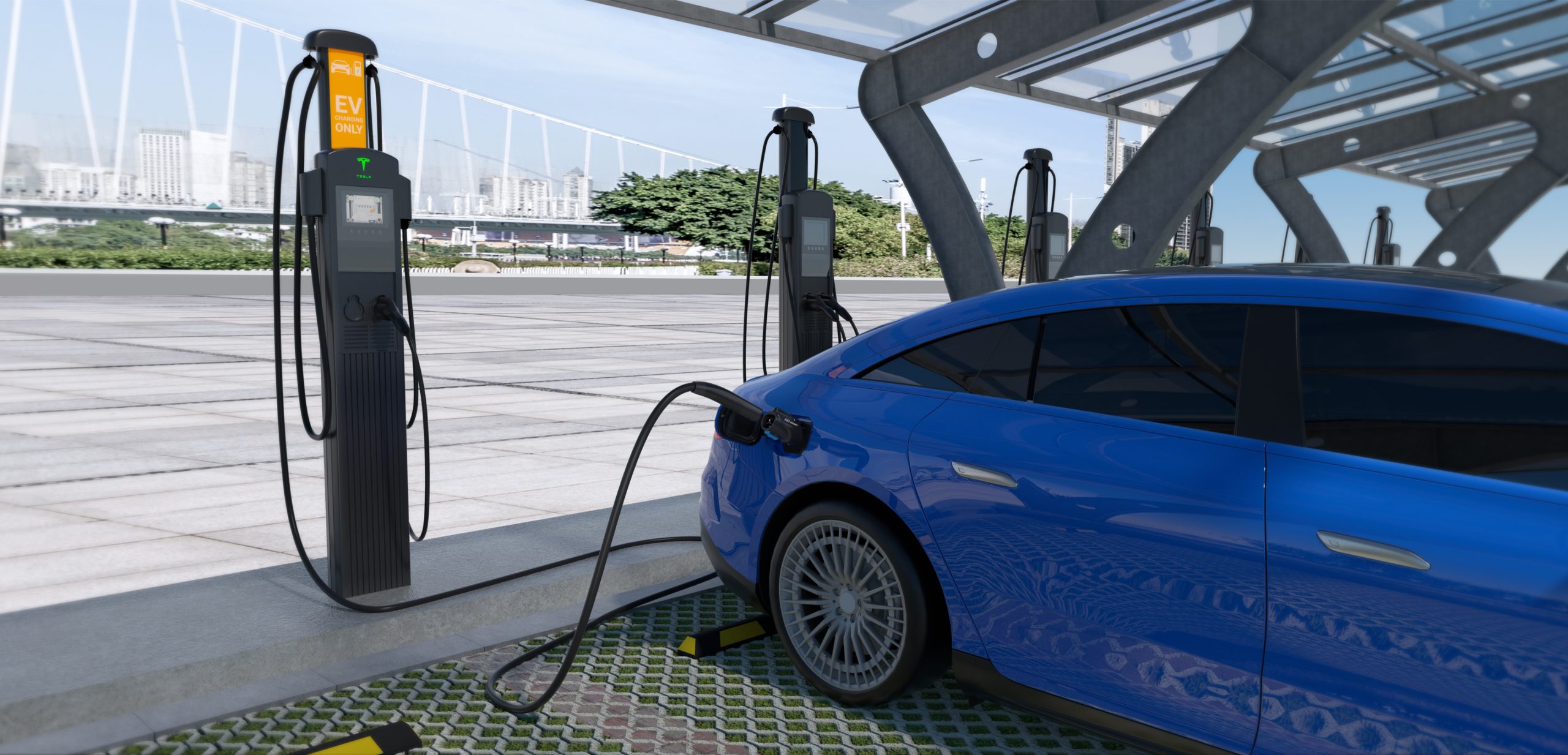
The Winter Setup That Works
For a fixed winter base, the EV-ACT5006T is a 48 A Level 2 wall charger (hard-wired or NEMA 14-50P, NACS, 25 ft cable, IP65/IP66 sealed against snow and meltwater). For a cabin or second parking spot, the EV-ACS4005T is a 40 A portable (9.6 kW, adjustable 16/24/32/40 A, IP66). EVDANCE chargers carry a 3-year standard warranty.
Frequently Asked Questions
How much range will I lose in winter?
It varies too much for one honest figure: temperature, trip length, speed and cabin heating all change it, and short trips suffer most because the car reheats from cold each time. Watch your own car’s consumption over the first cold weeks and plan on that, with a buffer.
Will an EV start after a night of deep cold?
Yes. The drive battery powers the car’s systems without any cranking, and the car manages its own temperature. In extreme cold you may see temporarily limited power or regeneration until the pack warms. Keeping the car plugged in overnight removes most of this.
Do I need a model with a heat pump for cold weather?
It helps efficiency on the cars that offer one, because moving heat uses less energy than making it. It is not a requirement: a resistive heater works fine, it just draws more. Home charging and preconditioning make a bigger difference to winter life than the heater type.
Related Reading
- Cold-Weather EV Charging: What Happens to Chargers and Cables Below Freezing
- What Is EV Battery Preconditioning?
- Level 1 vs Level 2 vs DC Fast Charging: A Practical Comparison
- Does an EV Battery Drain When Parked?

